
UKAS-Accredited Water Testing Labs Near Me
Water testing laboratories analyse samples from commercial, industrial and domestic water systems to identify microbial risks and support compliance decisions. Blue Fish Water Management provides sampling guidance, laboratory testing and practical interpretation for organisations managing legionella and water hygiene responsibilities.
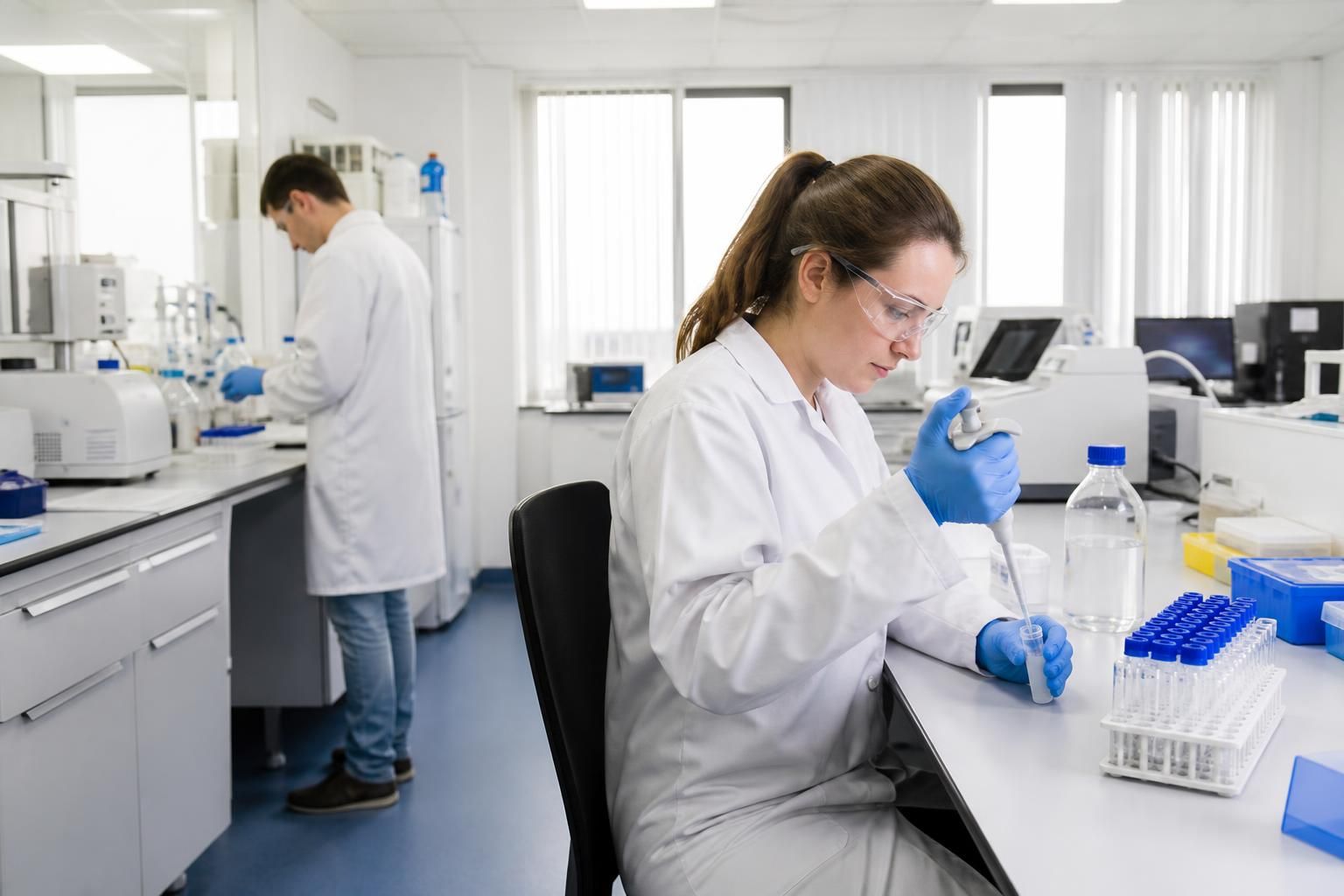
Compare Water Testing Options by Scope and Purpose
Water testing choices vary according to the system, suspected hazard, sampling purpose and level of regulatory oversight. Comparing available approaches by scope, involvement and intended outcome helps duty holders identify evidence that supports proportionate risk management and compliance decisions.
Routine microbiological testing
Routine microbiological analysis checks water samples for organisms associated with hygiene risks. It is suitable for planned monitoring of commercial, industrial and domestic systems where results contribute to an ongoing control programme.
Legionella sample analysis
Legionella testing focuses on samples collected from systems where legionella control is a specific concern. Results should be considered alongside system conditions, temperature control, usage and the findings of a legionella risk assessment.
Chemical and physical testing
Chemical analysis can examine factors such as pH, metals, hardness or other indicators relevant to a particular water system. This option is appropriate when the concern involves water quality, corrosion, treatment performance or a suspected chemical hazard rather than microbiology alone.
Investigative testing after a concern
Targeted testing may be appropriate after an unusual result, suspected contamination, a system change or an incident. The sampling plan should reflect the suspected source and intended decision, rather than relying on an isolated sample with no supporting context.
Independent laboratory testing
An independent laboratory provides analytical results for samples submitted under an agreed method and chain of custody. Choosing a UKAS-accredited laboratory can help organisations assess whether the testing process is suitably controlled for their compliance and risk-management needs.
Sampling, testing and interpretation
A managed approach combines sampling guidance, laboratory analysis and practical interpretation. It is useful where duty holders need help connecting results with remedial actions, monitoring arrangements or wider water hygiene responsibilities. Blue Fish Water Management provides these services nationally for organisations managing commercial, industrial and domestic systems.
What a Water Testing Laboratory Service Includes
A laboratory service covers more than analysing a water sample. It should define suitable samples, preserve traceability, apply relevant methods, explain findings in context and provide records to help responsible persons decide whether further investigation or remedial action is required.
Suitable Sample Planning
Testing begins by identifying the water source, outlets, system type and sampling objective. Blue Fish Water Management can help determine which samples are relevant to the legionella or water hygiene question being investigated.
UKAS-Accredited Testing
Samples are submitted for analysis through UKAS-accredited laboratory services using appropriate methods for the organisms or indicators being examined. Accreditation provides a recognised framework for laboratory competence and quality control.
Sample Identification
Each sample should be clearly labelled and linked to its location, collection details and requested analysis. Accurate identification helps maintain an auditable record from collection through to the issued result.
Technical Result Review
A laboratory result requires context. Blue Fish reviews findings alongside the system design, temperature controls, usage patterns and relevant risk information rather than treating an isolated result as a complete assessment.
Clear Laboratory Reporting
Reports set out the samples examined, methods applied, results recorded and any relevant limitations. This gives responsible persons usable documentation for internal records, compliance reviews and further investigation.
Practical Follow-Up Advice
Where results indicate that further action may be appropriate, the findings can inform proportionate next steps such as additional sampling, a wider risk review, system monitoring or remedial work.
Which Water Testing Support Is Right for Your System?
When Is Laboratory Water Testing Necessary for a Commercial Water System?
Choose testing support according to system type, usage, control measures and risk assessment findings. Routine monitoring may suit established programmes, while targeted sampling helps investigate concerns or verify remedial work.
Read moreWhat Should a Water Testing Laboratory Report Include?
A useful report identifies sampling locations, collection dates, test parameters, analytical results, detection limits, quality-control notes, deviations and recommended follow-up, enabling responsible persons to make well-informed defensible decisions.
Read moreWhat Happens After a Positive Legionella Water Test?
A positive result should prompt confirmation of the sampling context, review of control measures, risk-based assessment, proportionate corrective action, and repeat testing to verify sustained control, with records.
Read moreHow Are Water Testing Samples Collected for Laboratory Analysis?
Samples should be taken from representative outlets using clean containers, then labelled and documented with location, date, temperature and collector details. Correct preservation and prompt transport help protect sample integrity.
Read moreWhich Laboratory Water Testing Service Fits My System?
The right service may be routine monitoring, targeted investigation, compliance verification or broader programme support, depending on system complexity, identified hazards, responsible-person duties and the decisions testing must inform safely.
Read moreQuestions to Ask Before Choosing a Water Testing Laboratory
Before arranging a water test near me, ask the laboratory which sample types it accepts, what information it needs about the water system and whether its analysts have relevant experience with legionella and other microbiological investigations. Clarify how samples must be collected, labelled, stored and transported so that the results remain representative and traceable.
Ask what the report will include, how results are explained against the circumstances of the system and when the findings should be available. It is also important to establish who will review the report, what further action may be needed and how testing records can support the responsible person’s ongoing monitoring and compliance duties.
Check the testing scope
Ask whether the laboratory handles the required microbiological tests, including legionella investigations where relevant, and whether it can advise on the number, location and type of samples needed. The laboratory should also identify unsuitable samples or conditions that could affect interpretation, rather than treating every result as directly comparable.
Once these points are clear, record the laboratory’s suitability against the water system, the purpose of the investigation and the organisation’s compliance requirements. Agree the sampling arrangements and decision-making process before any sample is taken, so the results can be acted on rather than considered in isolation.
Blue Fish Water Management can provide practical guidance on sampling, laboratory analysis and interpreting findings within a legionella and water hygiene management programme. The appropriate next step is to discuss the system and testing objective with a competent adviser, then confirm the scope in writing.
Discuss Your Water Testing Requirements
Discuss your water testing requirements with Blue Fish Water Management to identify a suitable laboratory approach for your organisation. Receive practical advice on the information, sampling scope and follow-up considerations relevant to your water system.