
Legionnaires Disease Checks for Landlords
Legionnaires disease checks help landlords identify and control conditions that allow Legionella bacteria to grow in rental property water systems. Blue Fish Water Management provides risk-based assessments, testing and practical compliance advice to support informed action and tenant protection.
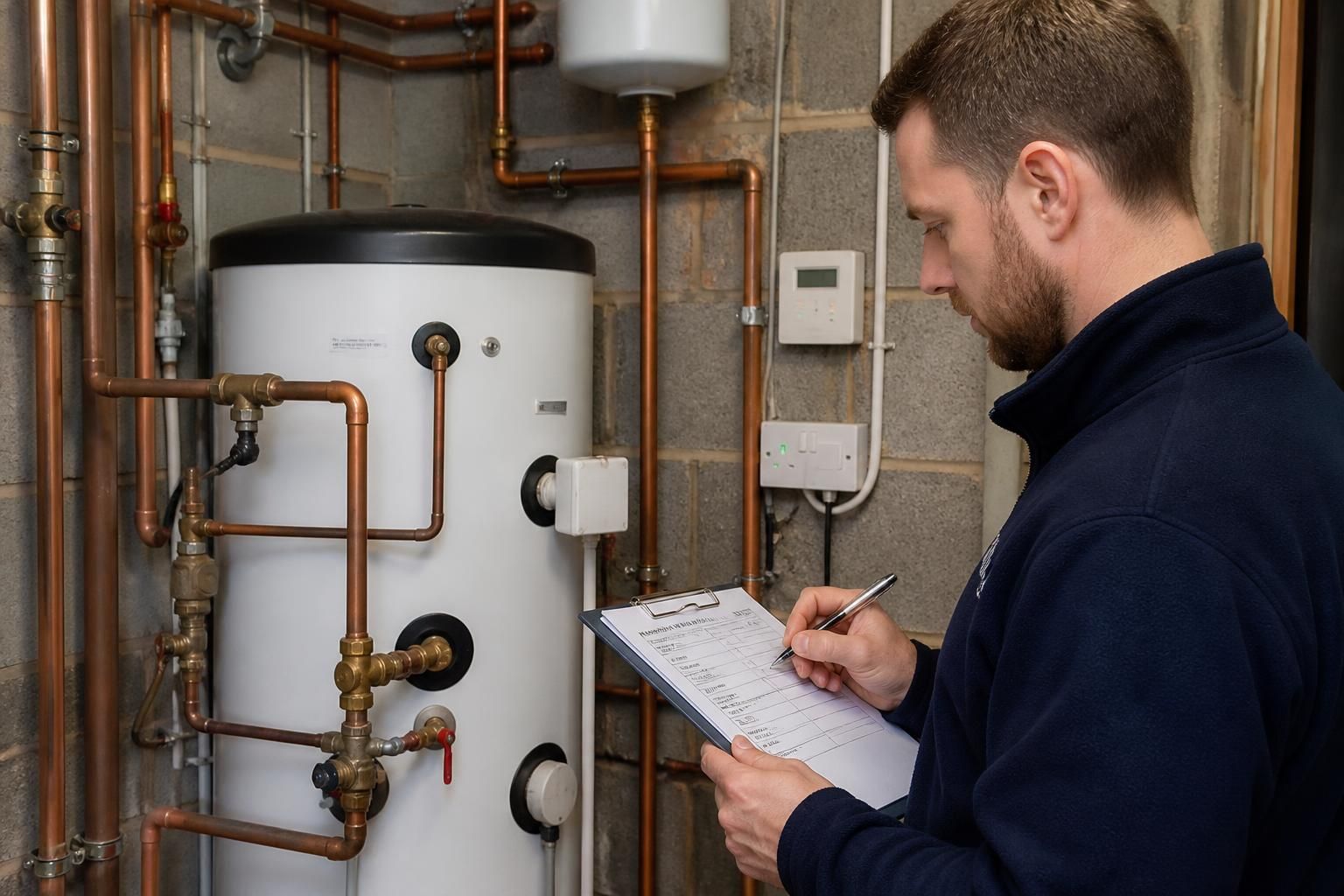
Practical Benefits for Landlords
Well-organised legionella checks give landlords a documented basis for deciding where controls are needed, helping align water-system management with property risks and responsibilities to tenants.
Clear findings make follow-up easier: landlords can prioritise remedial work, retain evidence for compliance records, and establish sensible monitoring arrangements. This reduces uncertainty when managing contractors, reviewing controls, or addressing changes to a rental property's water system.
A property-specific risk picture
A structured check considers the design, use and condition of a rental property's water system, helping landlords distinguish relevant Legionella risks from general assumptions.
More informed control decisions
Reviewing factors such as water temperatures, storage arrangements and infrequently used outlets helps landlords decide which control measures require attention.
Objective information for review
Where testing is appropriate, specialist sampling can provide useful results for evaluating existing controls and deciding whether further investigation is needed.
Clearer management responsibilities
Defined findings help landlords, managing agents and contractors understand their respective tasks for maintaining, checking and reviewing water-system controls.
A basis for reassessment
A clear assessment provides a useful reference when occupancy, usage, equipment or the layout of a rental property's water system changes.
More consistent oversight
Practical recommendations give landlords a structured way to review actions, follow up outstanding issues and keep legionella management aligned with the property's circumstances.
Questions Landlords Ask About Legionnaires Disease Checks
What does a landlord’s legionnaires disease check involve?
Checks typically examine water-system design, use, storage and temperature controls, alongside maintenance records and sampling needs. Findings then identify proportionate actions, responsibilities and evidence required for ongoing management of risk.
Read moreDo landlords need legionella testing for every rental property?
Not necessarily. Testing should follow a risk assessment, considering system design, use, temperature control and tenant circumstances. Some properties require monitoring or sampling, while others may need control measures instead.
Read moreWho is responsible for arranging legionella checks in a rental property?
The landlord usually retains overall responsibility, even when agents or contractors manage premises. Duties should be allocated clearly, with competent assessors documenting findings and landlords reviewing resulting actions and records.
Read moreHow often should landlords repeat legionnaires disease checks?
Repeat checks at intervals justified by the risk assessment, and review them after changes to occupancy, system use, equipment, control measures, or relevant guidance. Record each review and resulting action.
Read moreWhat happens if a legionnaires disease check finds a high-risk water system?
A high-risk finding requires documented corrective action, such as improving temperature control, removing stagnation, or repairing equipment. Landlords should prioritise actions, assign responsibility, and retain completion evidence for future review.
Read more
Technical Evidence Behind Landlord Legionnaires Disease Checks
Legionnaires’ disease checks for landlords should connect visible water-system conditions with specific control measures. Blue Fish Water Management examines factors such as water temperature, storage, usage patterns and outlet condition when assessing where Legionella growth may be supported.
Its technical process can include system review, relevant sampling and interpretation of findings against the property’s risk profile. This helps distinguish routine management requirements from issues needing investigation, rather than treating every rental installation in the same way.
UKAS-accredited water testing provides an appropriate laboratory basis where samples are required, while monitoring and compliance audits support ongoing review. Blue Fish Water Management can also advise on practical remedial works, giving landlords clear technical information for contractor instruction and record keeping.
Practical Partnership
Blue Fish Water Management builds client relationships through pragmatic guidance, clear communication and tailored legionella advice suited to landlord responsibilities.
Discuss Your Landlord Water Safety Requirements
If you manage rental properties and need to clarify your legionnaires’ disease check requirements, discuss the building, water systems and existing records with Blue Fish Water Management. Request tailored advice on an appropriate assessment or next step.