
Choose the Right Water Chemistry Tests
Water chemistry tests measure properties such as hardness, dissolved solids, oxygen demand and organic carbon, helping you select suitable checks for a specific system. Blue Fish Water Management explains which results matter and how they inform practical water safety decisions.
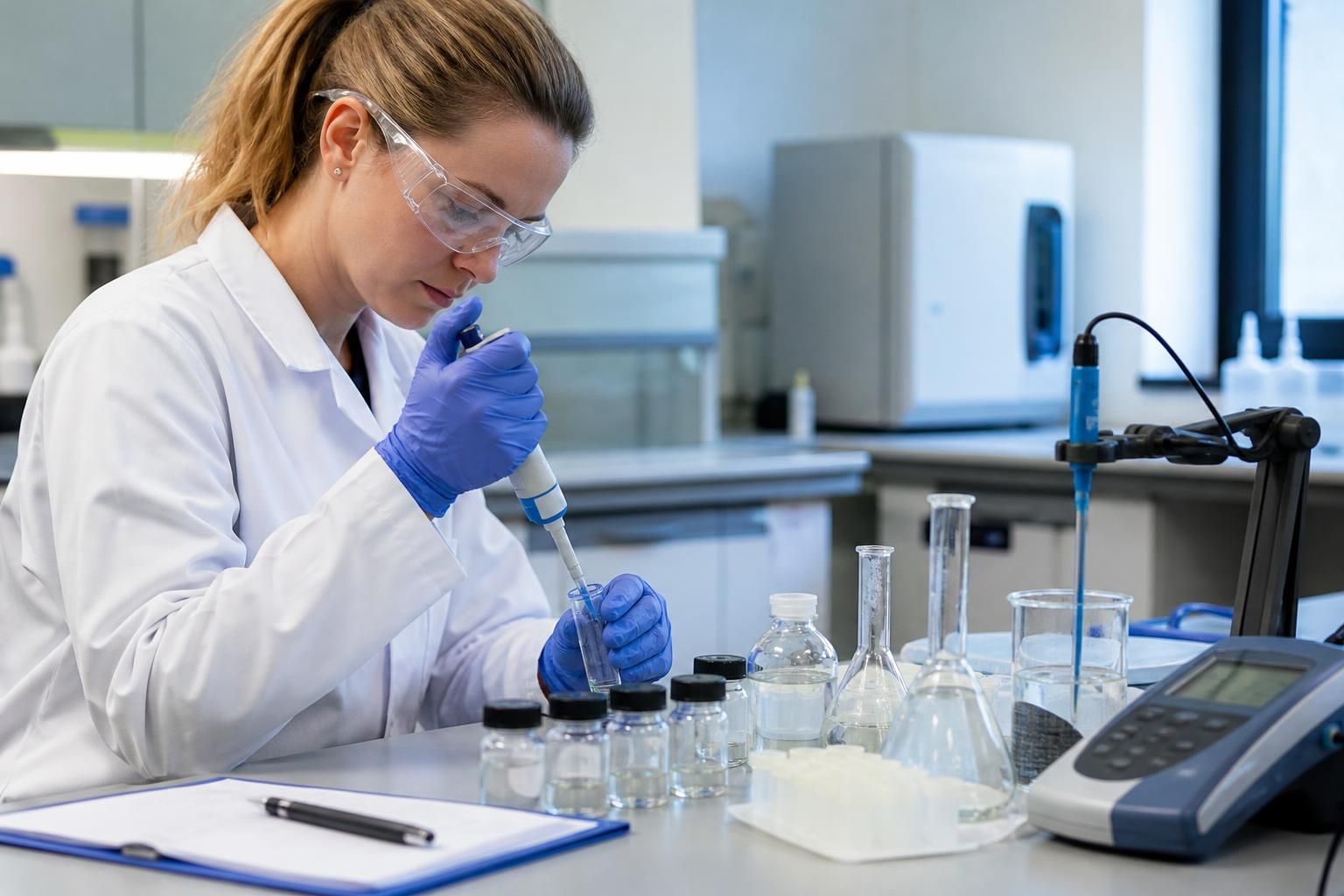
Which Water Chemistry Test Is Right for Your System?
Which water chemistry test best fits your system’s compliance needs?
Hardness testing suits scaling investigations; TDS indicates dissolved mineral load; BOD or COD measures oxygen demand; TOC assesses organic carbon. Choose according to condition, compliance requirements, timescale, scale and budget.
Read moreWhat do water chemistry test results reveal about system condition?
Hardness results identify scaling or corrosion risks; TDS shows dissolved material; BOD and COD indicate biodegradable or oxidisable loads; TOC highlights organic content, supporting trend analysis and targeted system investigation.
Read moreWhen should water chemistry testing use laboratory analysis rather than on-site testing?
Laboratory analysis provides traceable, sensitive results for compliance decisions, investigations and trend validation. On-site tests support rapid screening, routine checks and operational decisions, but require confirmation when results are consequential.
Read moreHow do water chemistry testing methods differ in cost, scale and timescale?
On-site kits suit rapid checks and small systems; laboratory testing supports larger programmes, traceability and sensitive analysis. Costs vary with sample numbers, analytical complexity, reporting requirements and required turnaround time.
Read moreWhich water chemistry test is most suitable for investigating a suspected water-quality problem?
Diagnose deposits with hardness testing, dissolved mineral changes with TDS, biodegradable or oxidisable contamination with BOD or COD, and organic residues with TOC; interpret results alongside use and sampling context.
Read morePractical Water Chemistry Advice for Every Sector
Blue Fish Water Management links chemistry results to each water system, rather than applying generic test packages. Nationally delivered advice reflects sector requirements, supports proportionate recommendations and helps clients make informed, ongoing water hygiene decisions through an established working relationship.
Test Selection Based on the System
Blue Fish helps identify which chemistry tests are relevant to the water system and the question being investigated. This avoids treating hardness, TDS, BOD, COD and TOC as interchangeable measures or recommending tests without a clear purpose.
Clearer Hardness and TDS Assessment
Hardness results indicate the mineral content associated with scaling, while total dissolved solids provide a broader measure of dissolved material. Considering both in context gives a more useful basis for understanding water quality and system behaviour.
Meaningful Interpretation of Results
BOD, COD and TOC describe different aspects of oxygen demand and organic content. Blue Fish interprets the results alongside system use, operating conditions and other available information, rather than presenting isolated laboratory values without explanation.
Advice Informed by Sector Experience
Water chemistry requirements vary between commercial, industrial and domestic environments. Blue Fish applies experience across these settings to relate test findings to practical operational considerations and relevant water hygiene responsibilities.
Recommendations That Remain Practical
The purpose of testing is to support an appropriate decision, not simply to produce a report. Blue Fish provides pragmatic guidance on what findings may warrant further investigation, monitoring or remedial consideration, helping clients understand the relevance of their results.
From Water Chemistry Assessment to Practical Compliance Evidence
A managed water chemistry assessment can include a water hardness test, total dissolved solids (TDS), biological oxygen demand (BOD), chemical oxygen demand (COD) and total organic carbon (TOC), depending on the system and investigation required. These measurements help identify mineral content, dissolved material and organic loading that may affect treatment performance, deposits, corrosion or wider water management decisions.
Blue Fish Water Management provides structured sampling, laboratory or instrument-based analysis where appropriate, clear interpretation of results and records suitable for technical review. Findings can be used to set monitoring requirements, identify when further investigation is justified and support proportionate remedial recommendations for the relevant water system.
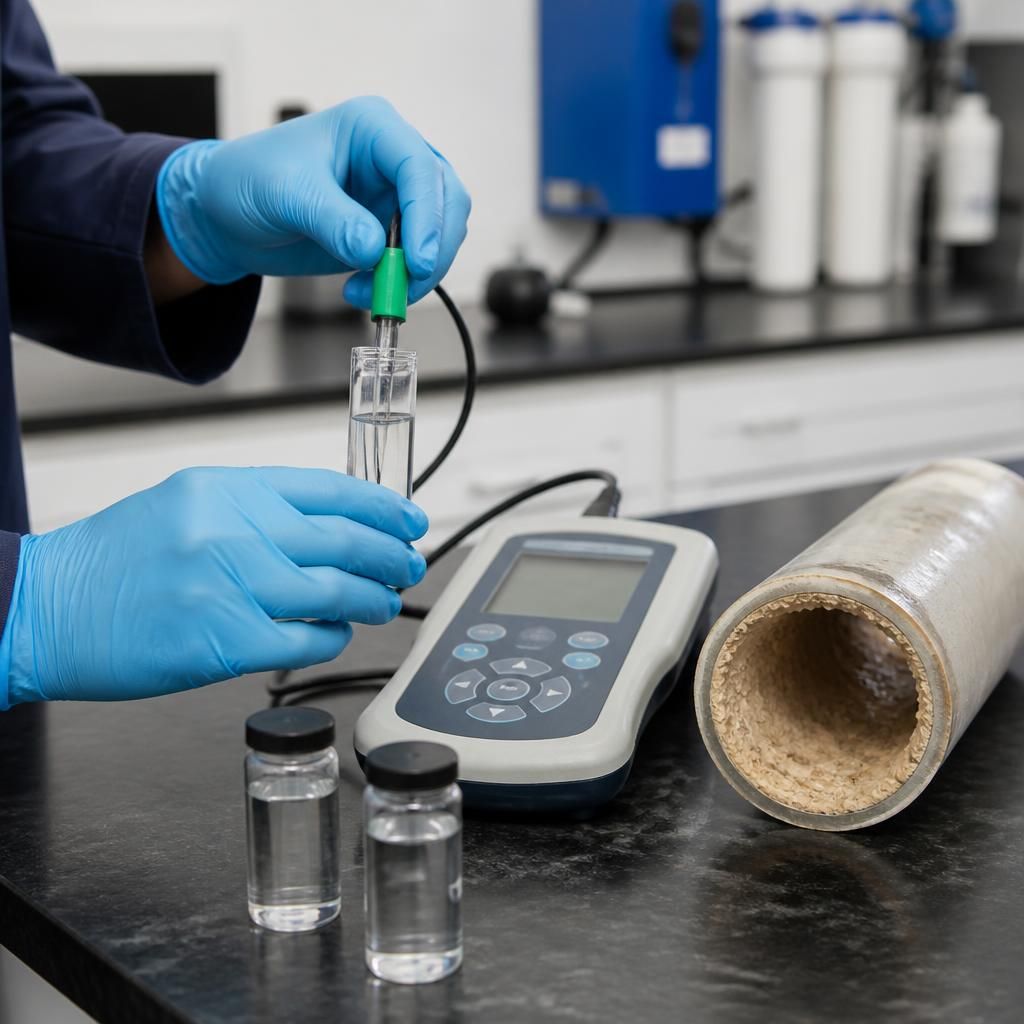
Water Hardness Testing
A water hardness test assesses dissolved calcium and magnesium that can contribute to scale formation and affect treatment performance. Results help establish whether mineral content warrants closer monitoring or further investigation within the relevant water system.
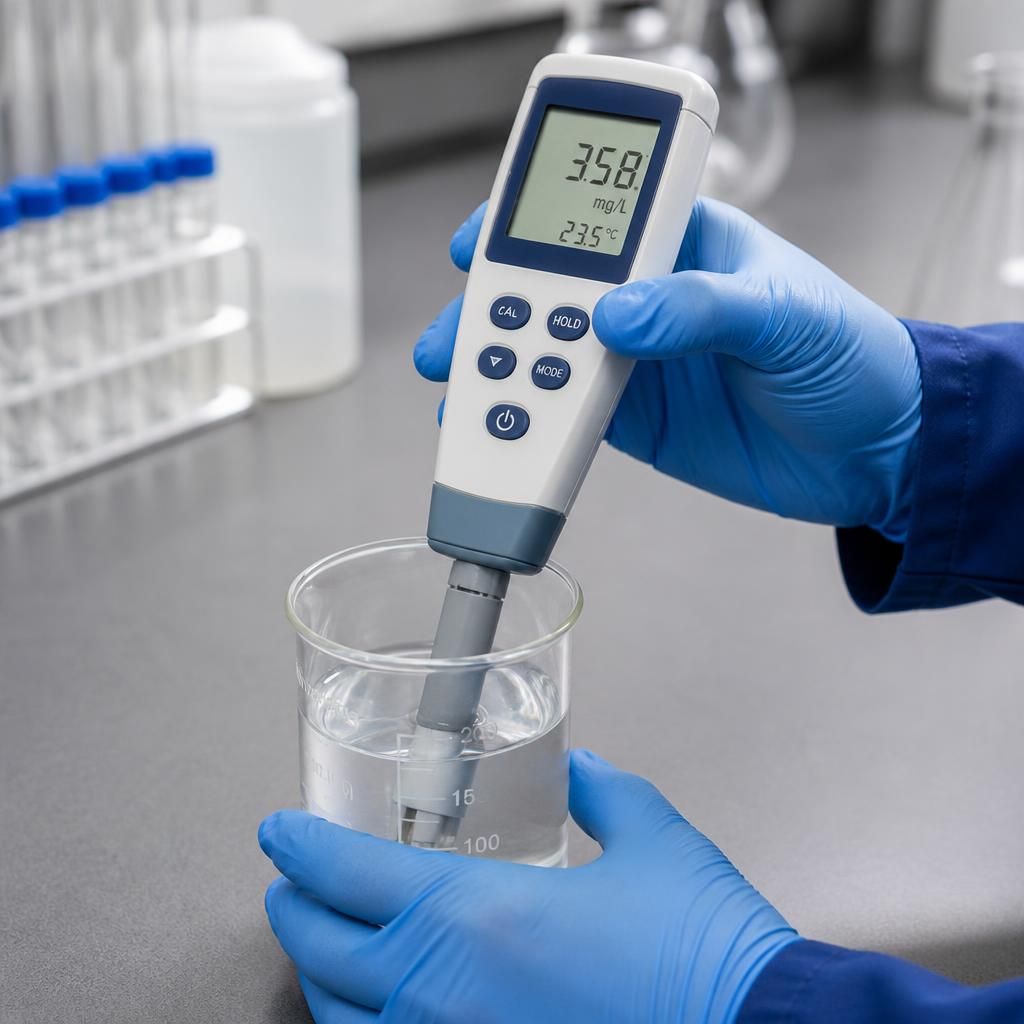
Total Dissolved Solids (TDS)
TDS testing measures the combined concentration of dissolved substances in water. The result provides a useful indicator of changes in water composition and can support comparisons between sampling points or monitoring periods.
Biological Oxygen Demand (BOD)
BOD testing indicates how much dissolved oxygen microorganisms use when breaking down biodegradable organic matter. It can help assess organic loading where biological activity is relevant to the water management investigation.

Chemical Oxygen Demand (COD)
COD measures the oxygen demand associated with chemically oxidisable material in a water sample. Comparing COD with other chemistry results can help clarify the nature and significance of organic or oxidisable loading.
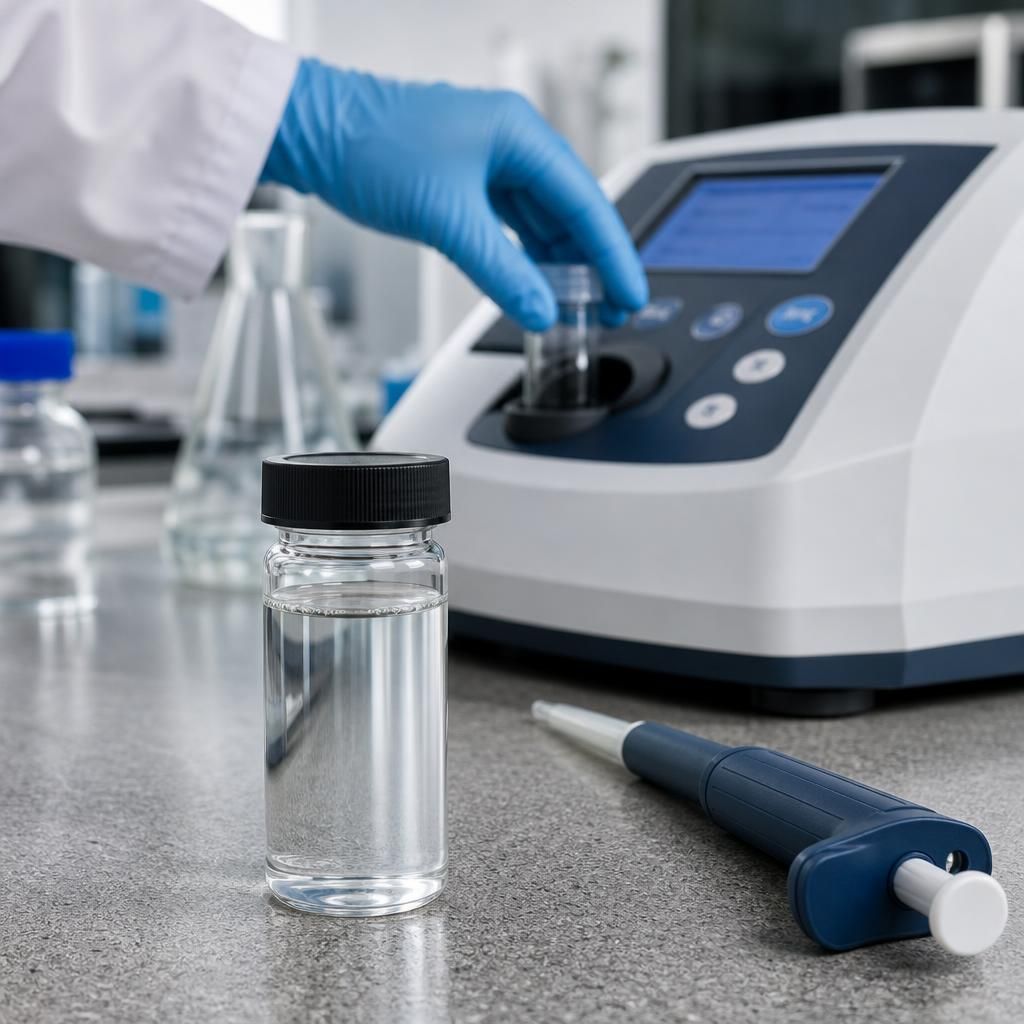
Total Organic Carbon (TOC)
TOC testing measures the carbon present in organic compounds. It provides a direct measure of organic content and can be used to identify changes that may affect treatment decisions, system control or the need for additional assessment.

Interpreting Results and Recording Evidence
Chemistry results need to be considered alongside the system type, sampling location, operating conditions and investigation objectives. A structured report can explain significant findings, record the basis for further checks and set out proportionate monitoring or remedial recommendations.
Questions to Ask Before Choosing a Water Chemistry Testing Provider
Before appointing a provider, ask which water chemistry tests are justified for the system, whether the laboratory or analyst is competent for the selected methods, and what the testing scope includes. Clarify sample requirements, detection limits, quality controls, the expected format of the report and how unusual or inconclusive results will be explained.
Confirm who is responsible for arranging access, supplying system information and acting on findings, as well as the expected timescale for sampling and reporting. It is also sensible to ask what follow-up support is available, how repeat testing would be approached and whether the quotation clearly separates sampling, analysis, interpretation and any recommended further work.
Match each test to the investigation
Water hardness testing can help assess mineral content and the potential for scale, while TDS indicates the combined concentration of dissolved substances without identifying each substance. BOD, COD and TOC provide different ways of assessing organic loading. The provider should set out the decisions each result can inform, any limitations, and whether additional tests are needed to interpret an unusual finding.
Once the scope is agreed, provide the tester with relevant system details, any known treatment issues and the decisions the results need to inform. This helps ensure the selected water chemistry tests answer a defined operational question rather than producing data with no clear use.
Ask for the final report to distinguish measured results from interpretation and recommendations. Chemistry results should be considered alongside system conditions and existing records, giving you a sound basis for deciding whether no further action, targeted investigation or remedial work is appropriate.
Clarify Your Water Chemistry Testing Requirements
If you are unsure which chemistry tests your water system requires, Blue Fish Water Management can review context, clarify the scope and provide proportionate advice with a tailored quotation or next step. Please get in touch to discuss your requirements.