
Pool Chlorination Services for Safe, Compliant Pools
Pool chlorination services manage disinfectant levels in commercial and shared swimming pools through assessment, dosing, testing and record-keeping. They help duty holders control microbiological risks, maintain suitable water quality and demonstrate compliance with operational and water hygiene requirements.
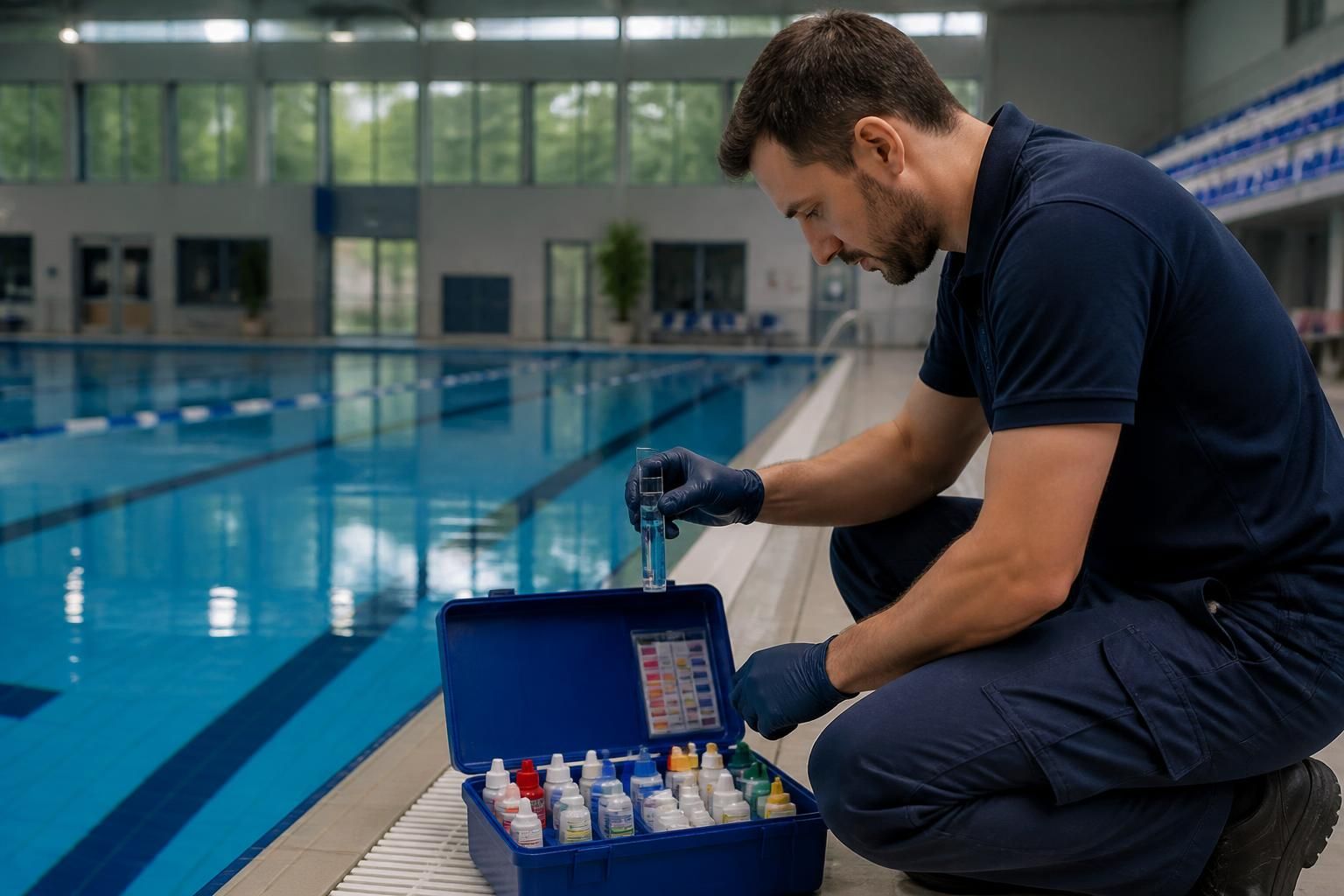
Pool Chlorination Options Compared
Pool chlorination approaches differ in how comprehensively they assess a pool, how much ongoing oversight they provide, and whether they address routine control or identified deficiencies. Comparing these distinctions helps duty holders select appropriate support.
Routine Pool Water Testing
Suitable for pools that need regular checks of disinfectant levels and water quality. Testing identifies deviations from operating requirements and supports accurate records for ongoing pool management.
Pool Chlorination Assessment
An assessment reviews dosing arrangements, operational controls and relevant water hygiene risks. It is appropriate when a duty holder needs a clearer understanding of whether existing chlorination arrangements are suitable.
Ongoing System Monitoring
Monitoring provides continued oversight of pool water conditions and chlorination performance rather than a single point-in-time review. This approach suits sites that need consistent operational information to support control decisions.
Pool Compliance Audit
A compliance audit examines records, procedures and control measures against applicable operational and water hygiene requirements. It can help identify gaps in documentation or practice that require attention.
Chlorination Remedial Works
Remedial support is intended for pools where testing, assessment or auditing has identified deficiencies in equipment, dosing arrangements or control procedures. The work focuses on addressing the specific issue rather than applying a standard package.
Pool Water Hygiene Training
Training is suitable when staff or responsible persons need to understand chlorination controls, testing routines, record-keeping and escalation procedures. It supports consistent management by improving practical knowledge within the operating team.
What Pool Chlorination Services Include
A thorough service examines the factors that affect chlorination performance, from circulation and filtration to chemical storage, plant condition and operator procedures. The resulting actions should be prioritised clearly, with responsibilities and verification points recorded.
Pool System Assessment
The service reviews circulation, filtration, dosing equipment, water turnover, plant condition and chemical storage to identify factors that may affect disinfectant performance.
Disinfectant Level Checks
Routine checks assess free chlorine, combined chlorine, pH and other relevant water-quality parameters against the pool’s operating requirements and documented control limits.
Water Testing
Water samples can be tested through suitable laboratory processes where additional analysis is needed to investigate trends, verify control measures or support compliance records.
Dosing and Plant Recommendations
Findings are translated into practical actions covering dosing arrangements, filtration, circulation, chemical handling and remedial maintenance, with priorities set according to risk.
Records and Compliance Support
Clear service records document observations, test results, corrective actions and verification points, helping duty holders maintain an auditable approach to pool water management.
Choosing the Right Pool Chlorination Support
Which pool chlorination service suits your swimming pool?
The appropriate service depends on pool type, bather load, plant design, existing controls and risks, ranging from targeted testing and advice to comprehensive operational management with ongoing verification and records.
Read moreWho remains responsible after appointing a pool chlorination provider?
The duty holder remains accountable for pool safety, even when tasks are delegated. They should approve arrangements, provide access and information, review findings, and ensure corrective actions are completed appropriately.
Read moreWhat signs indicate a pool needs a chlorination review?
Warning signs include recurring disinfectant or pH deviations, failed microbiological samples, persistent cloudiness, unusual odours, excessive chemical consumption, dosing alarms, or incomplete operational records requiring prompt investigation and corrective action.
Read moreWhen is ongoing pool chlorination management necessary?
Ongoing management is necessary where pool use, plant conditions, or treatment performance change regularly, records need continuous review, or competent staff require external oversight to maintain safe, compliant operation consistently.
Read moreWhat information does a pool chlorination provider need?
Providers need details of pool dimensions and use, plant and pipework layouts, treatment chemicals, operating procedures, previous test results, incident history, water sources, and existing records to assess requirements accurately.
Read moreQuestions to Ask Before Choosing Pool Chlorination Services
Pool chlorination services are a formal arrangement for managing disinfectant control and associated water hygiene duties at a swimming pool. Before proceeding, ask the provider to define the work included, identify the competence required, explain what evidence supports its recommendations and set out how findings will be reported.
Clarify the proposed timescales, the information needed from your team and any access or operational arrangements. Confirm which tasks remain with the pool operator, how responsibilities are documented and what ongoing review or support is included after the initial service.
Confirm the system components and exclusions
Request a written description covering chemical dosing equipment, circulation, filtration, sampling points, chemical storage, control settings and available records. Check whether cleaning, calibration, repairs, remedial work and follow-up verification are included or require separate arrangements, so that important gaps are not mistaken for completed work.
Use the answers to compare proposals on a like-for-like basis and record any exclusions before approval. Check that the proposed approach aligns with the pool’s risk assessment, operating procedures and water hygiene obligations.
Before work begins, nominate a responsible contact to provide relevant records and review the outcome. The agreed handover should leave the operator with clear actions and a practical basis for confirming that any required corrective measures have been completed.
Discuss Your Pool Chlorination Requirements
Discuss your pool chlorination requirements with Blue Fish Water Management to review the current arrangement, clarify priorities and identify a suitable next step for testing, monitoring or corrective work based on your pool’s operational needs.