
Water Tank Leak Repair & Servicing
Water tank leak repair and servicing identify, contain and correct defects affecting stored water systems, from damaged fittings to degraded tank surfaces. Professional assessment also considers hygiene, structural condition and compliance requirements before remedial work is specified.
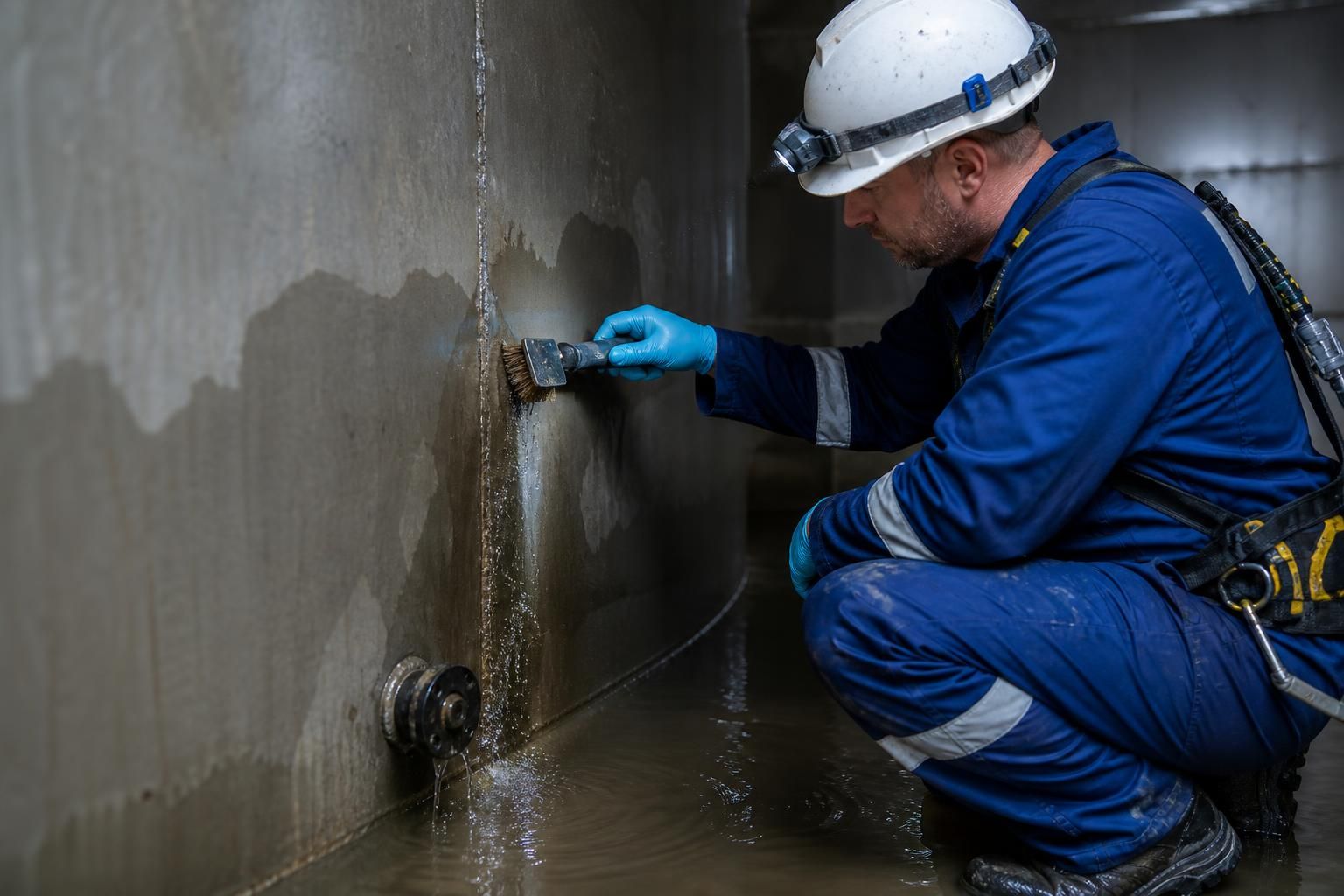
Why water tank leaks require careful repair and servicing
Managing a leaking water tank involves more than stopping visible water loss. The cause may be unclear, access restricted, and temporary repairs can leave hygiene, structural or compliance risks unresolved. Businesses must therefore coordinate diagnosis, isolation, remedial work and post-repair verification.
Locating the true source of the leak
Water may escape through a crack, failed joint, corroded fitting or damaged connection, while the visible wet area appears elsewhere. Effective servicing requires inspection of the tank, associated pipework, supports and fittings rather than sealing the first accessible point.
Protecting stored water hygiene
A repair can introduce contamination if the tank is opened, disturbed or inadequately cleaned. Work planning should address cleanliness, suitable materials, protection of the water supply and any cleaning or disinfection needed before the system is returned to use.
Assessing repair or replacement
A local patch may be inappropriate where the tank material has deteriorated, movement has affected the structure or several defects are present. The condition, age, construction and intended use of the tank should inform whether repair, component renewal or replacement is the more suitable option.
Managing isolation and operational disruption
Stopping a leak may require the tank or connected system to be isolated, which can affect the premises or processes that depend on the stored water. Isolation arrangements, temporary protection and the sequence of remedial work need to be considered before the repair begins.
Maintaining compliance records
Leak repairs should be supported by clear records of the defect, assessment, materials used, work completed and any follow-up actions. This evidence helps demonstrate that the storage system has been managed responsibly during compliance reviews and water hygiene audits.
Checking the system after repair
A tank should not be treated as fully restored simply because visible water loss has stopped. Post-repair checks should consider watertightness, fittings, structural stability, cleanliness and the condition of surrounding components before normal operation resumes.
Assessing Water Tank Repairs: Key Questions and Next Steps
Start by reviewing the tank’s age, material, capacity, location and connection points, then record where water is appearing and whether the defect affects the tank body, inlet, outlet, overflow, cover or associated pipework. Check inspection records, previous repairs, water quality results and any signs of corrosion, cracking, distortion or contamination before deciding whether the issue is isolated or part of wider deterioration.
Useful questions include whether the tank can remain in service safely, whether stored water may have been contaminated, and whether a repair will provide suitable long-term protection. Water tank servicing may be proportionate for minor defects and sound structures, while water tank repair or replacement may be more appropriate where damage is extensive, recurring or affecting hygiene and compliance.
Isolation and Temporary Measures
Confirm which valves, pumps or connected services can be isolated and whether doing so affects critical operations. Temporary containment may limit damage while an inspection is arranged, but it should not conceal the defect or remain in place as a substitute for a properly specified repair. Record the isolation point, affected equipment and any water exposed to the surrounding area.
Once the condition of the tank and the likely cause of failure are understood, the next step is to agree a documented scope of work. This should identify any isolation requirements, replacement components, access arrangements and measures needed to protect the stored water during the work.
After completion, retain records of the repair, inspection findings and any relevant water quality checks. This provides a clear maintenance history and helps inform future water tank servicing, particularly where the tank forms part of a system subject to ongoing legionella control or compliance monitoring.
Benefits of Effective Water Tank Leak Repair and Servicing
Water tank leak repair restores tank integrity, limiting water loss and reducing damp-related deterioration around the installation. Servicing can identify wear in seals, valves, covers and connections before defects cause disruption.
A managed repair helps protect stored water from external contamination and provides evidence of asset condition. This supports proportionate maintenance, water hygiene oversight and reliable operation.
Clearer fault diagnosis
A structured inspection distinguishes tank-body defects from failures in valves, seals, overflows and connecting pipework, helping ensure remedial work addresses the underlying cause.
Better protection of stored water
Correctly specified repairs help maintain secure covers, sound surfaces and hygienic connections, reducing opportunities for external contaminants to enter the tank.
Stronger compliance evidence
Documented findings, repair details and post-work checks create an auditable record for water hygiene management, asset reviews and compliance audits.
Less avoidable disruption
Planned isolation, access arrangements and component replacement help coordinate the work with building operations and reduce the risk of unplanned interruption.
More informed asset planning
Condition records reveal recurring defects and developing deterioration, supporting better decisions about future servicing, repair or tank replacement.
Questions About Water Tank Leak Repair and Servicing
What evidence should a contractor provide after water tank leak repair?
A competent provider should document inspection findings, repair rationale, materials used and post-work checks. Responsibilities should be clearly agreed with the dutyholder, reflecting system risk, access constraints and operational requirements.
Read moreHow should businesses assess contractor competence for water tank leak repair?
Assess competence through relevant qualifications, experience with stored-water systems, understanding of hygiene risks, safe isolation procedures, risk assessment capability, and clear communication of limitations, methods and constraints before formal appointment.
Read moreHow disruptive is water tank leak repair for business operations?
Disruption depends on defect location, isolation needs, access and whether stored water must be removed. Planned works may permit temporary arrangements, while urgent failures require operational risk assessment and coordination.
Read moreWho should arrange water tank leak repair in commercial premises?
The premises dutyholder or appointed responsible person should arrange it, usually with facilities, estates or water-safety teams, ensuring the decision reflects system ownership, risk and operational responsibilities for that installation.
Read moreHow can businesses prevent recurring water tank leaks?
Prevent recurring leaks by correcting underlying pressure, movement, corrosion or installation faults, protecting tanks from impact, and scheduling condition checks after alterations, severe weather or repeated level changes during operation.
Read moreDiscuss Your Water Tank Repair Requirements
Discuss your tank’s condition, the symptoms observed and any servicing records with Blue Fish. Their specialists can clarify whether further inspection, repair or planned maintenance is appropriate, then outline a tailored scope for your organisation.