
Legionella Control & Compliance
Legionella control and compliance involve identifying, managing and documenting risks associated with water systems that may support Legionella growth. Blue Fish Water Management provides risk assessments, UKAS-accredited testing, monitoring, disinfection and practical guidance for responsible organisations across the UK.
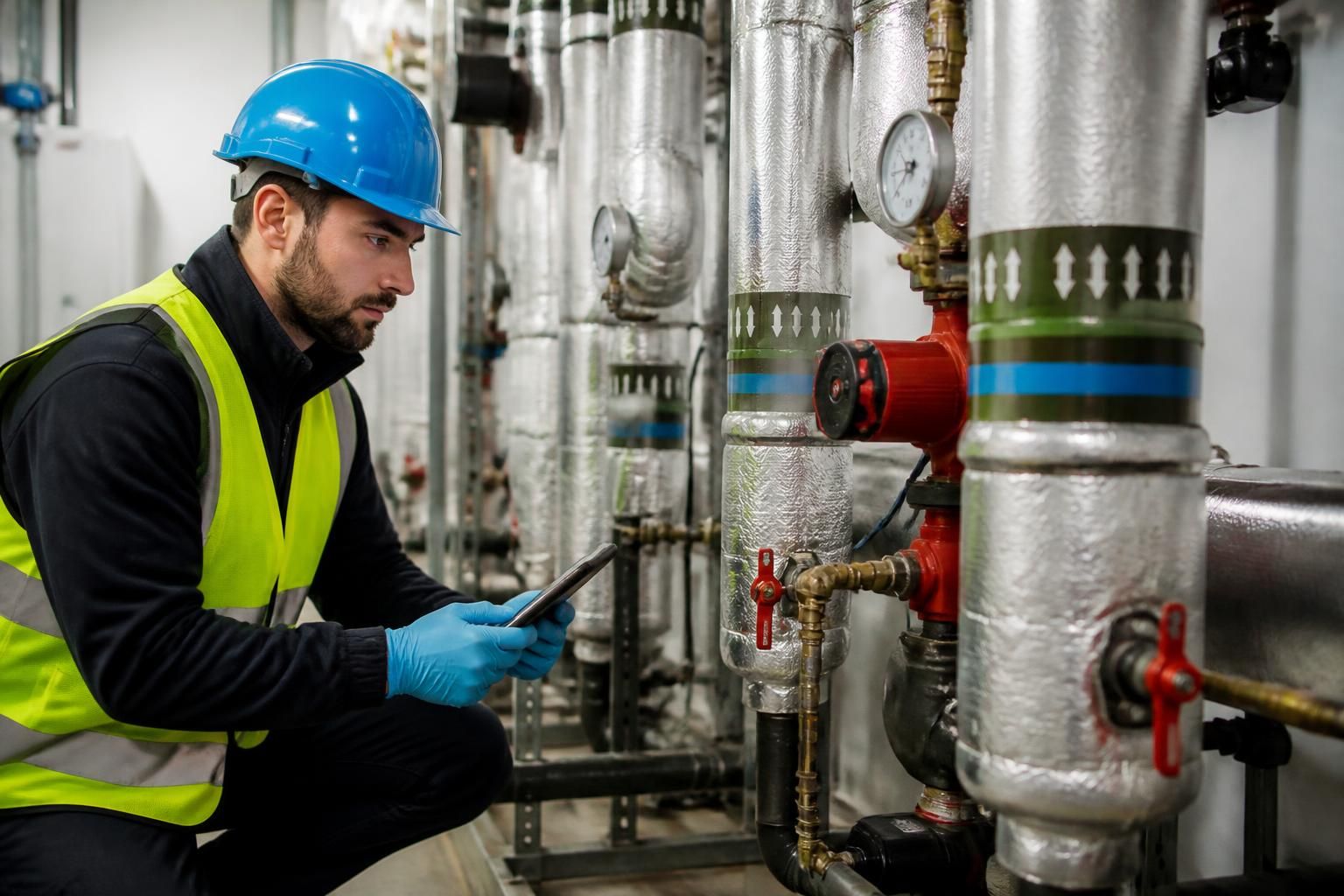
Technical Expertise in Legionella Compliance
Legionella compliance is the process of meeting legal and recognised guidance requirements for controlling exposure to Legionella bacteria in water systems. Under the Health and Safety at Work etc. Act and the Control of Substances Hazardous to Health Regulations, dutyholders must assess risks, implement suitable controls and retain evidence that those controls are being managed.
ACOP L8 and HSG274 provide the practical framework for this work, including identifying responsible persons, maintaining a written scheme, defining monitoring regimes and recording corrective actions. Effective control depends on the type and complexity of the water system, its users, operating conditions and any changes that could affect temperature, flow or cleanliness.
Blue Fish Water Management applies this framework through structured assessment, sampling, system monitoring, compliance audits and remedial recommendations. Its technical approach distinguishes between routine control measures and situations requiring investigation, such as abnormal temperatures, poor circulation, positive test results or gaps in management records, helping organisations maintain an auditable legionella control process.
From Initial Review to Ongoing Legionella Control
An effective legionella control engagement follows a defined sequence: establish how the water system operates, clarify the organisation’s responsibilities and requirements, complete proportionate technical work, record evidence clearly, and agree any corrective actions or ongoing controls arising from the findings.
- 1
Establish the System Context
The engagement begins with available schematics, asset information, water uses, occupancy patterns and known changes to the installation. This helps define which parts of the system require attention and where operational conditions may affect Legionella risk.
- 2
Confirm the Scope and Responsibilities
The work is aligned with the organisation’s duties, existing control arrangements and the specific questions that need answering. Relevant records, previous findings and operational concerns are reviewed so the technical work is proportionate and focused.
- 3
Complete the Technical Investigation
Agreed site work may include inspecting system components, checking operating conditions, taking measurements and collecting samples where appropriate. The methods used should reflect the system design, its use and the reasons for the investigation.
- 4
Interpret Findings Against Requirements
Observations, measurements and laboratory results are considered together rather than in isolation. Any departures from expected control conditions are assessed for significance, with attention given to contributing factors such as stagnation, inadequate circulation, temperature control or poor maintenance.
- 5
Document Actions and Next Steps
The outcome is recorded in a clear report that distinguishes evidence, conclusions and recommended actions. Where further work is needed, the findings can support prioritised remedial measures, revised control arrangements or follow-up checks within the organisation’s compliance records.
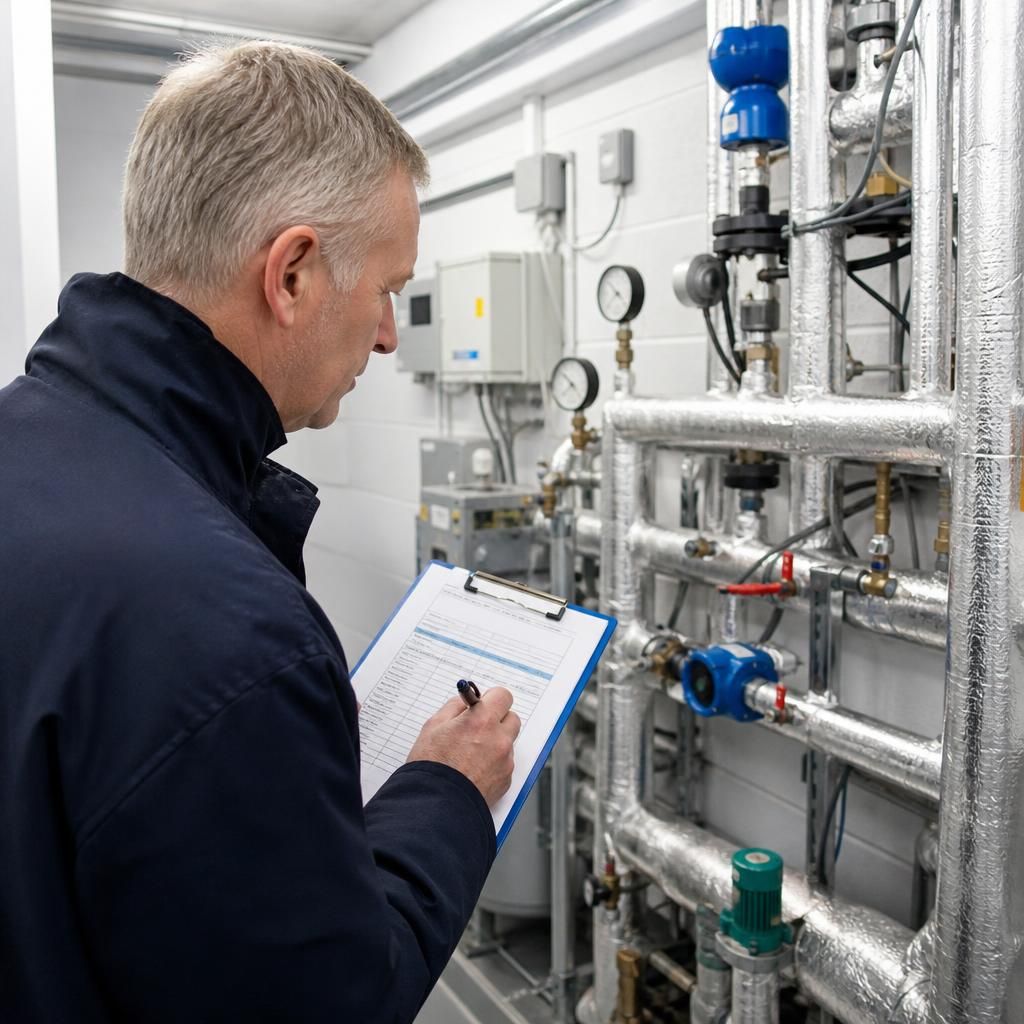
Evidence, Reporting and Technical Findings
Completed legionella control work should produce a clear record of what was examined, which controls were reviewed and what the findings mean for the water system. Evidence should be sufficiently specific for a responsible person to verify the scope and make informed decisions.
Technical reports may bring together system observations, temperature records, laboratory results and details of any identified deficiencies. Where samples are taken, results should be linked to the relevant outlet or system area, with interpretation that distinguishes routine monitoring from findings requiring further investigation.
Recommendations should identify the issue, its priority and the action needed, rather than simply listing non-conformities. Blue Fish Water Management can also provide practical remedial guidance and compliance reporting, giving organisations a structured basis for updating their management arrangements and demonstrating how identified risks have been addressed.
Legionella Control & Compliance FAQs
Will legionella control work disrupt normal business operations?
Legionella control applies to organisations responsible for water systems, including workplaces, housing, healthcare and public facilities. Required measures depend on system complexity, users, operating conditions and identified risks present.
Read moreWhat happens if legionella control checks identify a water system deficiency?
Findings are assessed for significance, documented and assigned corrective actions. These may include operational changes, cleaning, disinfection, repairs, retesting or management updates, with escalation where residual risk remains unacceptably high.
Read moreWho is responsible for legionella control in commercial premises?
In commercial premises, the dutyholder—often an employer, owner, landlord or managing agent—must appoint a competent responsible person to assess risks, implement controls, maintain records and review arrangements periodically.
Read moreWhen is water tank disinfection required for legionella control?
Water tank disinfection is required where inspection, sampling or risk assessment indicates contamination, microbial growth, sediment or compromised cleanliness, with method and verification determined by system conditions and competent advice.
Read moreWhich water systems require legionella control?
Legionella control applies to water systems where conditions may support bacterial growth, including hot and cold water services, storage tanks, showers, cooling systems and spa facilities within buildings and sites.
Read morePractical Partnership
Pragmatic legionella compliance advice, consistent technical standards and dependable delivery help organisations manage water systems across property types and locations.
Discuss Your Legionella Control Requirements
Discuss your legionella control and compliance requirements with the Blue Fish team. They can clarify the appropriate scope, identify relevant information and explain the next step for your organisation in practical terms.