
Legionella Testing for Landlords
UKAS-accredited legionella testing for landlords examines water systems in rented properties for evidence of Legionella bacteria, supporting informed risk management, appropriate control measures and documented compliance with duties to protect tenants and other building users.
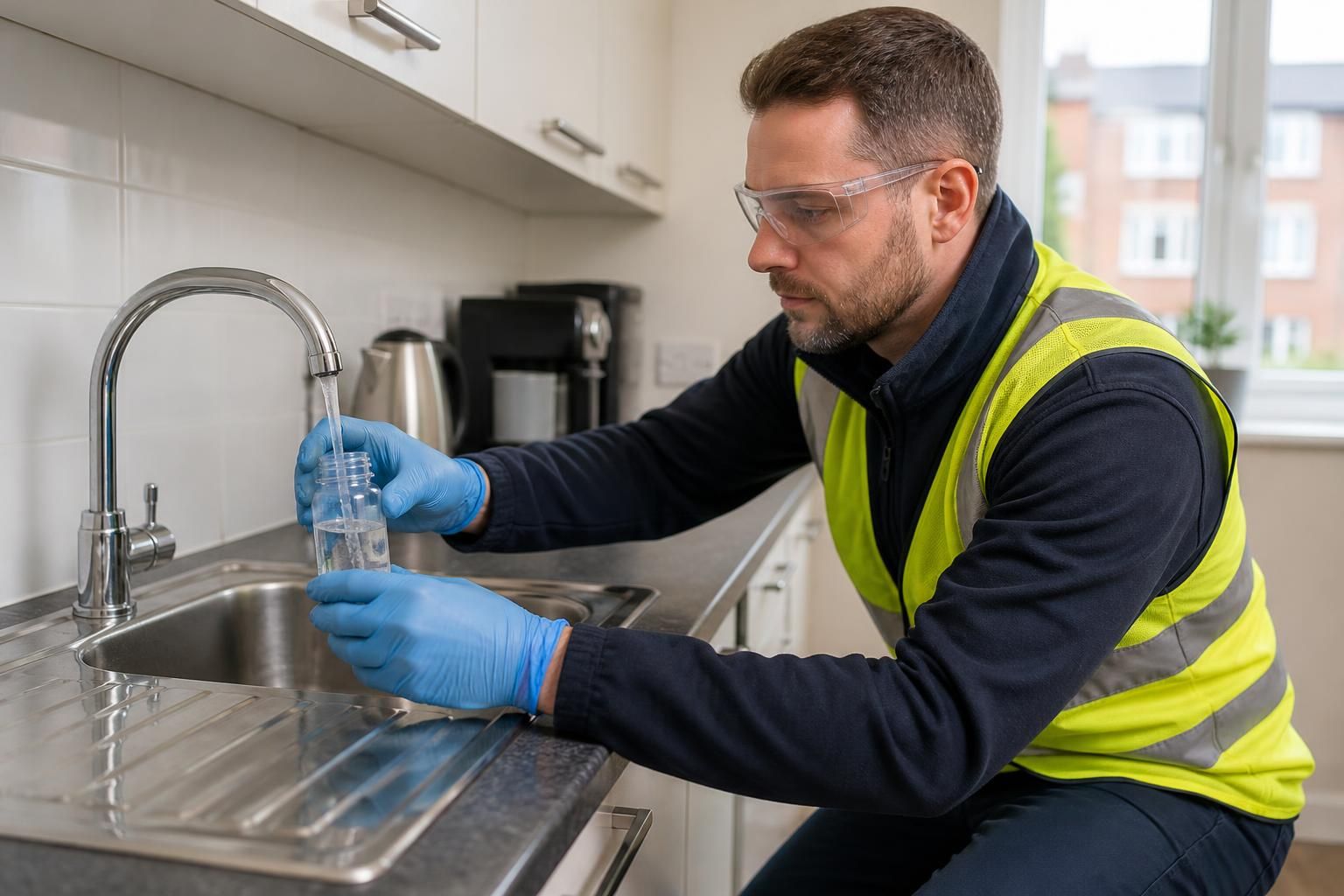
Choosing the Right Legionella Testing Approach for a Rental Property
Landlords can choose testing according to the property’s water-system complexity, occupancy and existing control records. The main options range from targeted sampling to broader investigative programmes, each providing different evidence for deciding whether further assessment or remedial action is appropriate.
Targeted Outlet Sampling
A focused set of samples from selected outlets can address a specific concern, such as a low-use tap, an intermittently occupied property or an unusual temperature result. This approach is proportionate where the question is narrow, but it provides less evidence about the system as a whole.
Routine Verification Sampling
Periodic sampling can be incorporated into an established water hygiene regime to check whether controls remain effective. It is most useful where landlords manage larger or communal rental properties and need laboratory evidence alongside temperature checks, inspection records and other monitoring information.
Investigation Sampling
Additional samples may be appropriate after a positive or unexpected result, a change in occupancy, prolonged vacancy or a suspected control failure. The sampling plan should help establish whether the finding is isolated or indicates a wider issue, rather than treating one laboratory result as a complete diagnosis.
Comprehensive System Sampling
A broader programme examines a greater range of outlets and system locations in properties with stored water, extensive distribution pipework, multiple dwellings or complex communal services. It requires more coordination and record review, but can provide a stronger basis for deciding whether further control measures are needed.
Post-Remedial Verification
Testing after cleaning, disinfection or other corrective work helps assess whether the intervention has addressed the identified concern. Results should be considered with the remedial-work records and ongoing control measurements before the property returns to its normal monitoring arrangements.
What Landlord Legionella Testing Includes
Practical landlord testing should cover more than collecting a sample. Blue Fish Water Management coordinates representative sampling, secure handling, laboratory interpretation and clear reporting, so results can be assessed alongside system conditions and used to inform proportionate control decisions.
Defined Sampling Scope
Testing is planned around the rented property’s water systems, outlets and relevant risk points. The sampling scope can be aligned with the available system information and the findings of any existing legionella risk assessment.
Representative Water Samples
Samples are collected from appropriate outlets and system locations to provide useful evidence about the water conditions tenants and other building users may encounter. Each sample is identified against the property and collection point.
Controlled Sample Handling
Samples are packaged, documented and transferred using controlled handling arrangements designed to preserve their integrity before laboratory examination. Accurate records support confidence in the identity and traceability of each sample.
UKAS-Accredited Analysis
Samples are examined through UKAS-accredited water testing arrangements for evidence of Legionella bacteria. Laboratory findings are recorded for review against the property’s wider water safety information.
Clear Results Reporting
The completed report sets out the samples taken, analytical findings and relevant observations in a format landlords can retain with their property compliance records. Results can then be considered alongside system conditions when reviewing proportionate control measures.
Questions About Legionella Testing for Landlords
When should landlords arrange legionella testing for rented properties?
Testing frequency depends on property type, occupancy, system complexity and previous findings. Sampling may complement a risk assessment, monitoring programme or investigation, rather than replace professional judgement and documented review.
Read moreWhat do legionella test results mean for landlords?
Results indicate whether Legionella was detected in the submitted sample, but they do not alone measure overall system risk. Interpret findings with sampling context, system conditions and existing control records.
Read moreWhat does a legionella test for landlords include?
Typically, testing includes selecting representative outlets, collecting water samples using controlled procedures, laboratory analysis, and a report recording sample locations, findings and relevant recommendations for further investigation or control measures.
Read moreDo landlords need legionella testing after remedial water system work?
Yes, retesting can help verify whether remedial work addressed identified contamination or control issues. Sampling should follow appropriate clearance criteria, with results documented alongside completed works and ongoing monitoring records.
Read moreCan legionella testing replace a landlord’s water risk assessment?
No. A water risk assessment evaluates hazards, system conditions, vulnerable users and control arrangements; testing provides targeted evidence and should support, not substitute for, that broader assessment of overall risk.
Read moreQuestions to Ask About Legionella Testing for Landlords
Before arranging legionella testing for landlords, clarify which parts of the property portfolio and water system will be included, how sampling points will be selected, and what access or records the tester will need. Ask about the tester’s relevant competence, laboratory arrangements, sample handling and the evidence provided to support the findings.
Confirm how results will be reported, including the treatment of detected Legionella, any limitations and recommended next steps. It is also important to establish expected timescales, who will review the findings, how remedial actions will be recorded, and what ongoing monitoring or repeat testing may be needed as part of the landlord’s water safety responsibilities.
Which properties and outlets are included?
Ask whether the assessment covers every relevant building, water system, storage vessel, outlet and higher-risk location within the landlord’s portfolio. Clarify the basis for choosing sampling points, including areas that are infrequently used, remote from the incoming supply or affected by temperature and stagnation concerns. Any exclusions should be documented with the reason they were not sampled.
Once these points have been answered, the next step is to provide the tester with relevant property, occupancy and water-system information so a suitable sampling plan can be agreed. The resulting laboratory findings should then be considered alongside the condition and use of the system, rather than treated as a standalone statement that a property is safe.
Blue Fish Water Management can help landlords interpret the findings and identify proportionate actions where Legionella is detected or system conditions require attention. Keeping the report with the property’s water safety records provides a clear basis for demonstrating how the findings were assessed and addressed.
Discuss Your Landlord Water Testing Requirements
Discuss your property portfolio with Blue Fish Water Management to clarify whether testing is appropriate, what information will assist planning, and which next step best supports tenant protection and ongoing water safety records.