
Disinfected Water Hygiene & Remedial Controls
Disinfected water hygiene uses controlled cleaning and disinfection measures to address contamination risks in commercial, industrial and domestic water systems. Blue Fish supports responsible persons and facilities teams with remedial controls that help restore safer operation and maintain compliance.
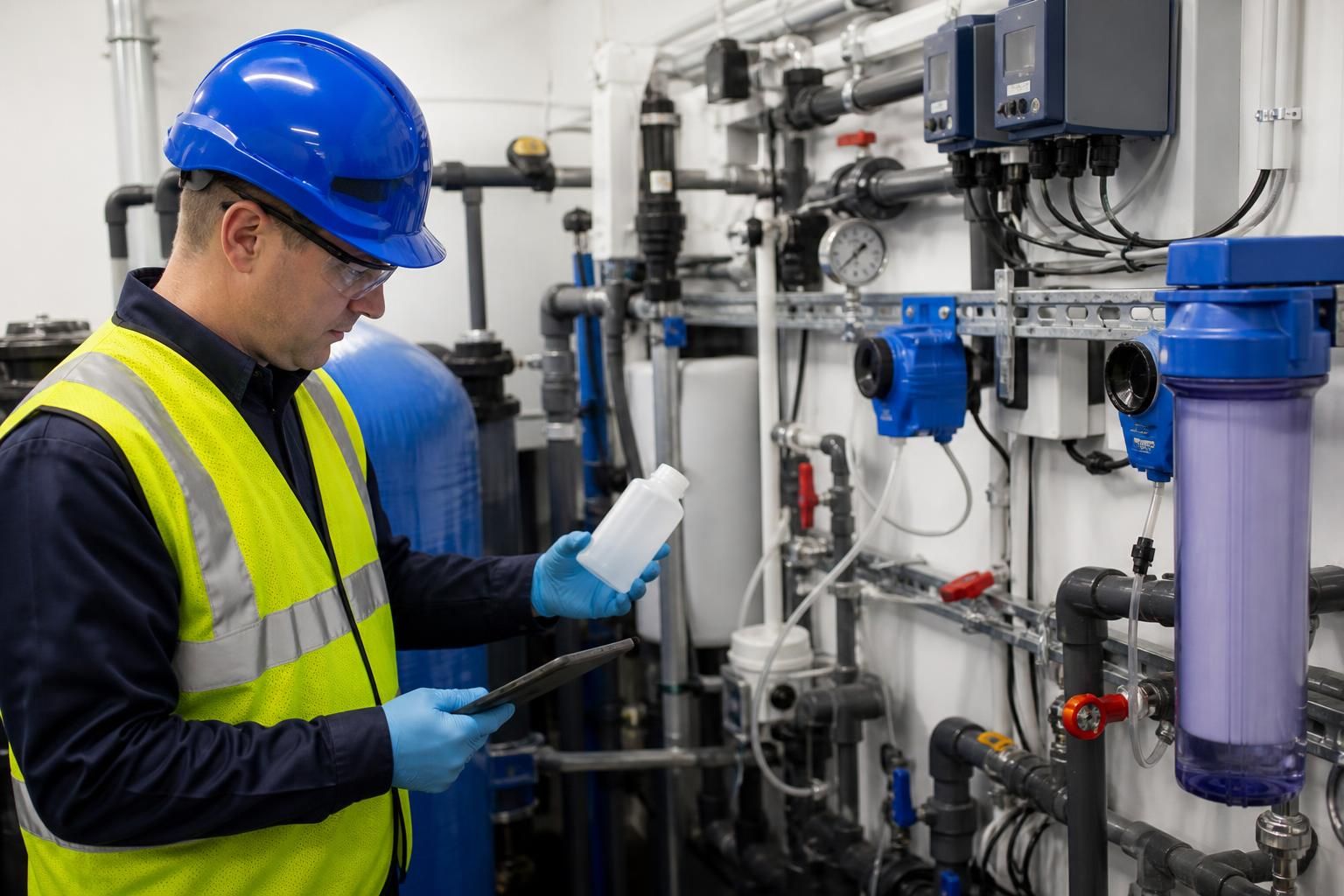
Choosing the Right Disinfected Water Hygiene Approach
The appropriate remedial control depends on the system’s condition, contamination risk and intended use. Options range from targeted outlet treatment to broader system cleaning, with differing investigation, disruption and follow-up requirements. Comparing these factors helps facilities teams select proportionate action.
Targeted Outlet Disinfection
Suitable where contamination is limited to specific taps, showers or other outlets and investigation has not identified wider system involvement. This focused measure can reduce localised risk while the affected outlet and connected pipework are assessed.
Localised Pipework Cleaning
Appropriate when deposits, stagnation or contamination affect a defined section of the installation. Cleaning the relevant pipework and associated components addresses conditions that surface disinfection alone may not resolve, with follow-up checks used to assess the result.
Full System Cleaning and Disinfection
A broader intervention for confirmed or suspected contamination across storage, distribution or secondary return systems. It requires structured planning, isolation of affected areas where possible, cleaning, disinfection and verification before the system is returned to normal use.
Thermal Disinfection
This approach uses controlled hot-water temperatures to disinfect suitable hot-water systems. It may be considered where the system can safely achieve and maintain the required conditions, but facilities teams must account for scalding risks, operational controls and the need to confirm that all relevant outlets are treated.
Component Replacement and Remedial Works
Replacement or modification may be more appropriate where tanks, valves, showers, hoses, dead legs or other components cannot be cleaned effectively or continue to support contamination. The intended outcome is to remove a persistent source of risk rather than repeatedly treat the same defect.
Post-Disinfection Monitoring
Disinfection is not a substitute for ongoing control. Follow-up monitoring, water hygiene checks and review of temperatures, usage and maintenance records help determine whether the remedial action has been effective and whether further corrective work is needed.
What Disinfected Water Hygiene Remedial Controls Include
Effective disinfected water hygiene requires more than applying a treatment chemical. Remedial controls should define affected assets, preparation, safe isolation, dosing or thermal parameters, post-treatment sampling, reinstatement checks and documented handover for compliance records.
Affected System Assessment
The process begins by identifying relevant tanks, pipework, outlets and other assets, helping define the scope of remedial disinfection and the controls required for the water system.
Safe Isolation and Preparation
Before treatment, affected areas are prepared and isolated where necessary. This supports controlled access, protects users and enables the planned disinfection method to be applied correctly.
Controlled Cleaning and Disinfection
Cleaning and disinfection measures are selected for the system and contamination risk. Treatment may involve controlled chemical dosing or thermal parameters, applied in line with the agreed remedial procedure.
Flushing and Post-Treatment Sampling
Following treatment, the system is flushed and appropriate samples are collected. Post-treatment testing helps verify the condition of the water system before it is returned to normal use.
Reinstatement Checks
Valves, tanks, outlets, controls and operating conditions are checked before reinstatement. These checks help confirm that the system has been restored in a controlled and documented manner.
Compliance Documentation
Treatment details, sampling information, findings and follow-up actions are recorded for the responsible person or facilities team. The resulting documentation supports water hygiene records and compliance review.
Disinfected Water Hygiene: Your Questions Answered
When is disinfected water hygiene appropriate for a commercial water system?
Blue Fish can help determine whether targeted disinfection, wider remedial works, or ongoing monitoring is appropriate, considering system design, responsible-person duties, contamination evidence, risk level and associated compliance documentation needs.
Read moreWhat records should disinfected water hygiene remedial controls produce?
Records should identify the treated system, findings, authorisation, control measures, chemicals or temperatures used, dates, sampling results, verification, deviations, corrective actions and handover responsibilities, supporting audit trails and risk reviews.
Read moreHow is disinfected water hygiene treatment verified before system reinstatement?
Verification should combine representative post-treatment sampling with review of disinfectant clearance, temperatures or residuals, flushing, outlet condition and control readings, confirming safe operation before authorised reinstatement of the treated system.
Read moreHow should disinfected water hygiene remedial controls be selected?
Selection should reflect contamination type, system configuration, affected users, operational constraints, evidence available and legal duties. Options may include targeted cleaning, chemical disinfection, thermal control, component replacement or ongoing monitoring.
Read moreWho should authorise disinfected water hygiene remedial work?
Authorisation should be provided by the responsible person or designated duty holder after reviewing competent advice, risk assessments, method statements, isolation requirements and safety controls for affected users before work.
Read moreQuestions to Ask About Disinfected Water Hygiene Controls
Before approving disinfected water hygiene work, confirm which risks the proposed control addresses, who will carry it out and what relevant competence or supervision is in place. Ask how disruption, access requirements and safety considerations will be managed, and whether the method is suitable for the system’s design, use and occupants.
Clarify the expected timescale, the records you will receive and how any findings will be communicated to the responsible person. Establish who will review the system afterwards, when further monitoring is needed and which ongoing duties remain with your organisation.
Check the method against the system
The scope should describe the selected chemical or thermal method, required preparation, isolation points, access arrangements and conditions for safe reinstatement. It should also state how dead legs, storage vessels, calorifiers, pipework and sensitive components will be treated or excluded, so that the control is matched to the system design and the identified contamination risk.
Use the answers to decide whether the proposed disinfected water hygiene measure is proportionate to the identified risk and compatible with the system’s operational requirements. Record the decision, agreed controls and acceptance criteria within the water safety documentation before work begins.
After completion, review the treatment records and verification results with the responsible person. Any remaining issue should be assigned for further action, while confirmed findings should inform the next stage of monitoring and review.
Discuss Your Disinfected Water Hygiene Requirements
Discuss your disinfected water hygiene requirements with Blue Fish to clarify the appropriate remedial approach, evidence needed and next steps. We can help you assess treatment proposals against your system’s risks, operational constraints and compliance responsibilities.