
Legionella Testing Costs Explained
Legionella testing costs depend on the sampling programme, number of outlets, water systems and laboratory requirements. For organisations responsible for commercial, industrial or domestic properties, testing provides evidence to support risk control, compliance decisions and remedial action.
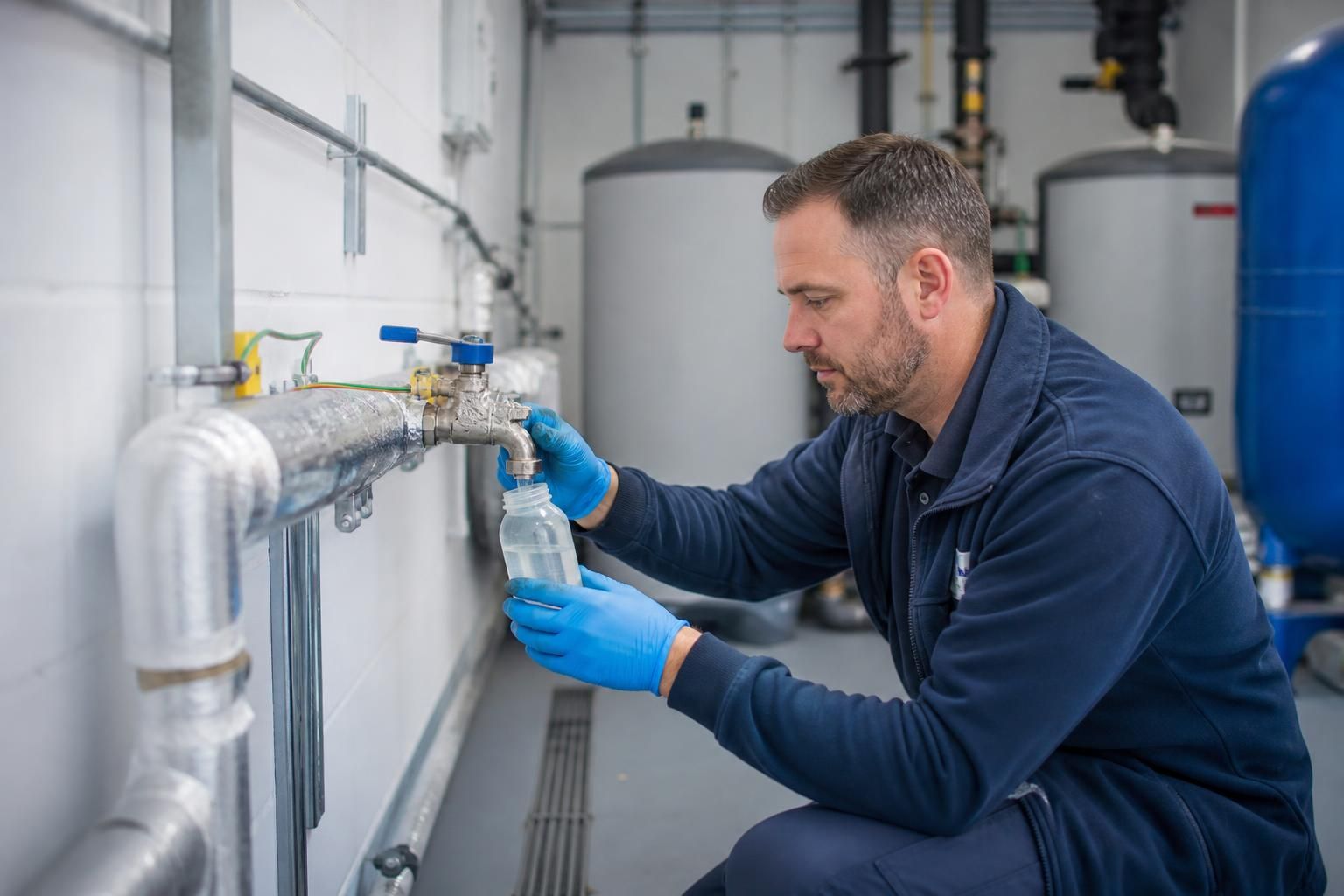
Which Legionella Testing Approach Is Right for Your Site?
Legionella testing can range from targeted sampling of identified risk points to broader programmes covering multiple systems and outlets. The appropriate approach depends on the site’s risk profile, existing control measures, sampling objectives and the evidence required for compliance decisions.
Targeted risk-point sampling
Samples are taken from selected outlets or system points linked to a known risk, control concern or specific decision. This focused approach may suit a site with a clearly defined objective, with costs mainly influenced by the number of samples and laboratory analyses required.
Routine monitoring programme
Planned samples are collected at agreed intervals to support ongoing control checks and identify changes over time. This approach suits organisations that need continuing evidence for water safety management, with the overall price shaped by sampling frequency, outlets and systems covered.
Investigative sampling
Additional samples are used to investigate an adverse result, suspected contamination or an unexplained change in system conditions. It usually involves more analysis and interpretation than a single targeted test because the aim is to clarify the source and extent of the issue.
Post-remedial verification testing
Testing after cleaning, disinfection or other remedial work checks whether the intervention has addressed the identified concern. The scope depends on the affected system and the evidence needed before normal control arrangements resume.
Multi-system baseline assessment
A broader programme covers several water systems, building areas or outlet groups to establish a more complete baseline. It requires greater coordination and produces more extensive evidence, so costs are typically driven by the breadth of the survey, sample volume and laboratory requirements.
What’s Included in a Legionella Testing Service?
Blue Fish Water Management’s legionella testing service goes beyond a laboratory result, combining organised sampling, chain-of-custody records, result interpretation and clear reporting. These elements help responsible persons relate findings to water safety controls and compliance decisions.
Sampling Programme Design
The service considers the property, water systems, outlets and testing objectives when establishing the sampling programme. This helps ensure the scope reflects the organisation’s actual legionella control requirements.
Organised Water Sampling
Samples are collected from relevant hot and cold water outlets and systems using a structured approach. Sampling records identify the locations and conditions associated with each sample.
Chain-of-Custody Records
Documented sample handling supports traceability from collection through to laboratory assessment. These records provide an auditable link between the sampled outlet, laboratory submission and reported result.
UKAS-Accredited Laboratory Testing
Samples can be submitted for UKAS-accredited laboratory testing where this is required by the testing programme. Laboratory analysis identifies whether Legionella is detected in the submitted water sample.
Results and Compliance Reporting
The service includes clear reporting of laboratory findings, sample locations and relevant observations. Results are interpreted in relation to water safety controls, helping responsible persons review compliance decisions and determine whether further action is appropriate.
Which Legionella Testing Support Fits Your Needs?
Which legionella testing approach suits your compliance responsibilities?
The appropriate approach depends on system complexity, outlet numbers, risk profile and required evidence. Routine sampling may suit established controls, while targeted investigation supports suspected contamination or significant system changes.
Read moreWhat does a legionella testing price typically include?
Charges may cover sampling arrangements, laboratory analysis, chain-of-custody documentation, result interpretation and reporting. The total depends on outlet numbers, system complexity, sampling locations and any follow-up investigations required for site.
Read moreCan one legionella test cover every water outlet?
A single test cannot represent every outlet reliably. Sampling locations should reflect system design, use patterns and risk; additional outlets may require separate samples or targeted testing for meaningful results.
Read moreWhen is repeat legionella testing needed after remedial work?
Repeat testing is usually considered once remedial measures are complete, particularly where contamination, system disruption or altered controls could affect results. Timing and sampling scope should follow the risk assessment.
Read moreWhat makes legionella testing cost more for complex water systems?
Complex systems can cost more because they require additional sampling points, specialist access arrangements, varied water-system assessments, and more detailed interpretation where different risk areas need separate consideration and reporting.
Read moreQuestions to Ask Before Arranging Legionella Testing
Before arranging legionella testing, confirm which parts of the water system need to be assessed, why samples are required and who will take them. Ask about the sampler’s competence, the laboratory process, the evidence supplied and how results will be explained if findings require further action.
Also clarify the expected timescales, how urgent or unexpected results are communicated, what the report includes and which responsibilities remain with your organisation. These questions help you compare quotations on a like-for-like basis and understand the ongoing checks needed after testing.
Define the scope before comparing prices
Ask the provider to explain how the sampling locations were selected and whether hot and cold water systems, infrequently used outlets, storage arrangements or other relevant areas require consideration. A clear scope makes it easier to identify exclusions, avoid under-sampling and compare quotations on the same basis.
Use the answers to decide whether the proposed testing is proportionate to the water system and the risks identified through its management arrangements. A legionella test is a snapshot of conditions at the time of sampling, so a satisfactory result does not by itself prove that the system will remain controlled.
Before proceeding, make sure the agreed quotation leaves your organisation clear about what the results will mean and what decisions may follow. This provides a sound basis for commissioning the work and incorporating the findings into the wider water safety process.
Discuss Your Legionella Testing Requirements
Discuss your legionella testing requirements with Blue Fish Water Management to clarify the scope, sampling approach and reporting needed. You can receive practical guidance on the most suitable next step for your organisation before commissioning testing.