
Legionella Water Testing Kits
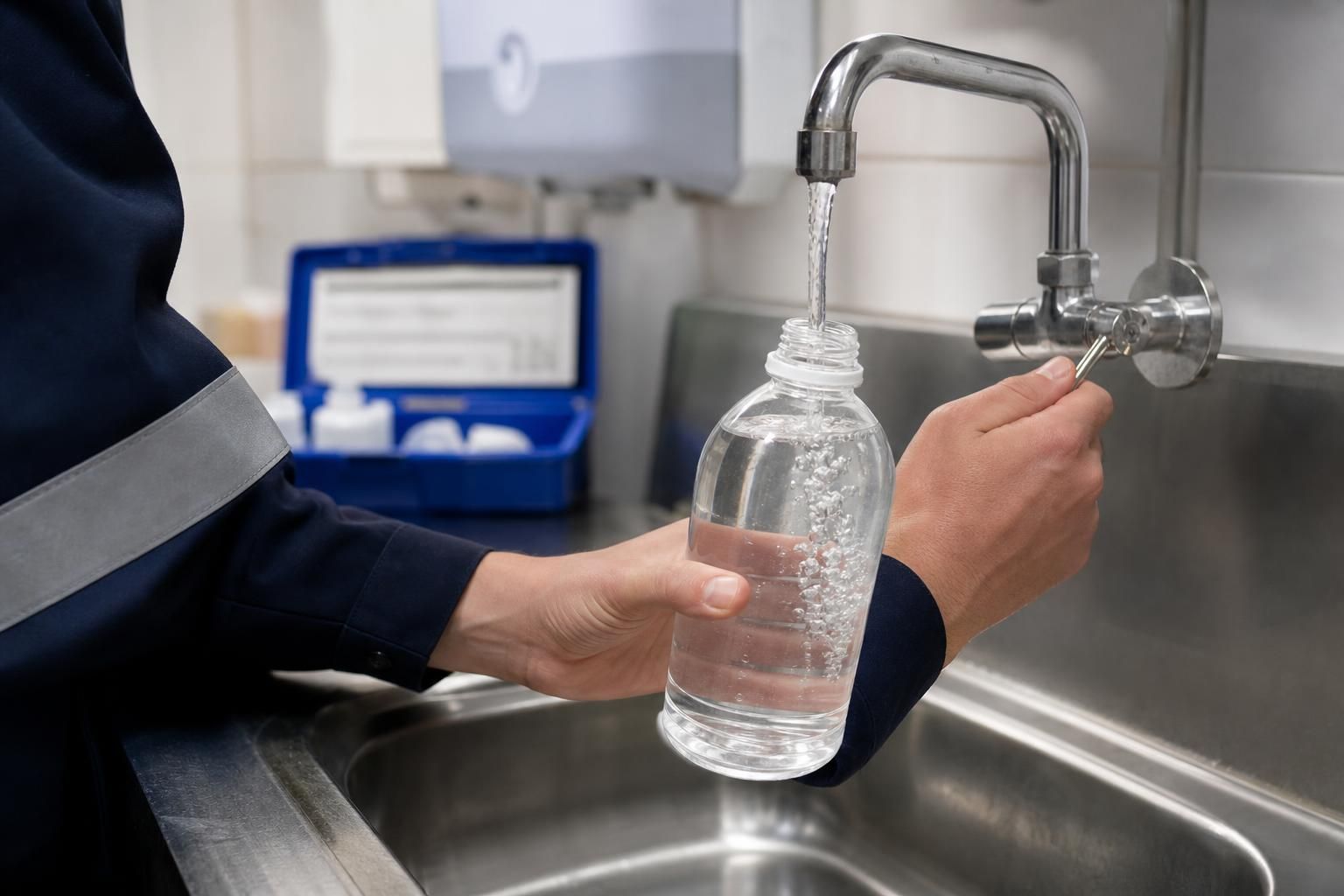
Legionella water testing kits from Blue Fish Water Management are practical sampling resources for facilities and estates teams. They help collect representative water samples for analysis, supporting informed decisions about monitoring, investigation and legionella control.
Choosing the Right Legionella Water Testing Kit Approach
Legionella testing kits can support different sampling arrangements, from collecting samples for laboratory analysis to using professional guidance to plan wider monitoring. Compare each approach by who manages sampling, what it examines and how results inform next steps.
Laboratory Analysis Sampling Kits
These kits are suited to planned sampling where water is collected from defined outlets and sent to a laboratory for legionella analysis. They fit facilities teams that can follow documented sampling instructions and need results to support an existing monitoring or control programme.
Professionally Guided Sampling
Where sampling points, frequencies or conditions are uncertain, professional guidance can help shape the kit approach. This is appropriate for estates teams reviewing their sampling plan, particularly where the system is complex or results need to be considered alongside wider water hygiene controls.
Routine Monitoring Kits
Routine sampling kits support a repeatable programme across selected outlets, helping organisations collect comparable samples over time. They are most suitable when sampling locations and responsibilities have already been defined and the intended outcome is ongoing monitoring rather than a one-off investigation.
Targeted Investigation Kits
A targeted kit approach focuses on specific outlets, systems or conditions that require further examination. It may be appropriate after an unusual result, a system change or a concern identified through monitoring, with laboratory findings used to inform proportionate follow-up.
System-Wide Sampling Plans
For larger premises or estates, sampling may need to cover multiple water systems and risk areas rather than isolated outlets. A planned, professionally structured approach helps align sample selection with the wider legionella risk assessment and the organisation’s intended control measures.
What Legionella Water Testing Kits Include
Look for kits that make every stage of sampling clear: container suitability, labelling, chain-of-custody records, transport requirements and result reporting. These practical details help facilities teams maintain consistent documentation and integrate legionella checks into established water safety procedures.
Suitable Sample Containers
Kits include appropriate containers for collecting water samples without introducing avoidable contamination. Container choice should match the sample type and the laboratory’s testing requirements.
Clear Sampling Guidance
Written instructions explain how to take representative samples from relevant outlets, helping facilities teams follow a consistent method across different buildings and water systems.
Sample Identification
Labels or identification fields record details such as the sampling point, location and collection date. Accurate identification allows each result to be linked to the correct part of the water system.
Chain-of-Custody Records
Documentation records who collected the sample and when it was transferred. This creates an auditable trail from sampling through to laboratory receipt.
Transport Instructions
Kits set out the handling and transport requirements that apply after collection, including packaging and submission arrangements. Following these instructions helps protect sample integrity before analysis.
Result Reporting
The testing process should provide a clear report that identifies the samples tested and presents the laboratory findings in a form suitable for water hygiene records and follow-up review.
Legionella Water Testing Kit Questions Answered
How do you choose a legionella testing kit for your water system?
These kits support sample collection, but laboratory analysis and interpretation remain essential. Choose them when your procedure requires documented legionella sampling; seek broader assessment where system risks remain unclear initially.
Read moreWhat can legionella water testing kits tell facilities teams?
Results can indicate whether Legionella is detected in a submitted sample, helping teams assess findings alongside system conditions, control measures, sampling locations and competent professional interpretation before deciding appropriate action.
Read moreAre legionella testing kits suitable for every water system?
Suitability depends on the system, sampling purpose, water conditions and the kit’s instructions. Facilities teams should confirm compatibility, representative sampling points and laboratory requirements before using any legionella testing kit.
Read moreWho should oversee sampling with a legionella water testing kit?
Sampling should be overseen by a competent person appointed under the organisation’s water safety arrangements, responsible for site knowledge, safe collection, accurate records and escalating unusual findings to relevant decision-makers.
Read moreHow are legionella testing kits incorporated into a water safety plan?
Include kit use within monitoring schedules, specifying sampling points, competent personnel, laboratory arrangements, result review, escalation thresholds and corrective-action procedures. Review the process when systems, risks or guidance materially change.
Read moreWhat to Confirm Before Ordering a Legionella Testing Kit
Before proceeding with legionella water testing kits, establish what the sampling is intended to investigate, which parts of the water system are included and whether the proposed kit is suitable for the required sample types. Ask who will carry out the sampling, what competence they have, and how sampling locations and methods will be selected.
Confirm what evidence will be supplied, how results and any limitations will be reported, and what timescales apply to sampling, analysis and follow-up advice. Clarify who will review the findings, record actions and maintain the wider monitoring programme after the kit has been used.
Check the sampling scope before ordering
Ask which parts of the water system are included, what sample types the kit supports and whether additional containers or instructions are needed. Clarify whether the sampling is for routine monitoring, investigation of a concern or follow-up to remedial work, so the results can be interpreted in the right context.
Once these points are clear, agree the sampling plan and responsibilities in writing before the legionella water testing kit is used. The kit should support a defined water safety process, rather than being treated as a standalone test or a replacement for competent assessment of the system.
After analysis, the findings should be considered alongside system conditions, control records and any relevant remedial work. This provides a sound basis for deciding whether further investigation or changes to the monitoring approach are appropriate.
Discuss Your Legionella Testing Kit Requirements
Discuss your legionella water testing kit requirements with Blue Fish Water Management to clarify the sampling context, review suitable options and identify practical next steps for analysis, documentation and ongoing water safety management.