
Legionella Risk Assessment Training
Legionella risk assessment training teaches responsible personnel how to identify hazards, evaluate exposure and record control measures within water systems. It supports informed decision-making, clearer management responsibilities and evidence-based compliance across commercial, industrial and domestic settings.
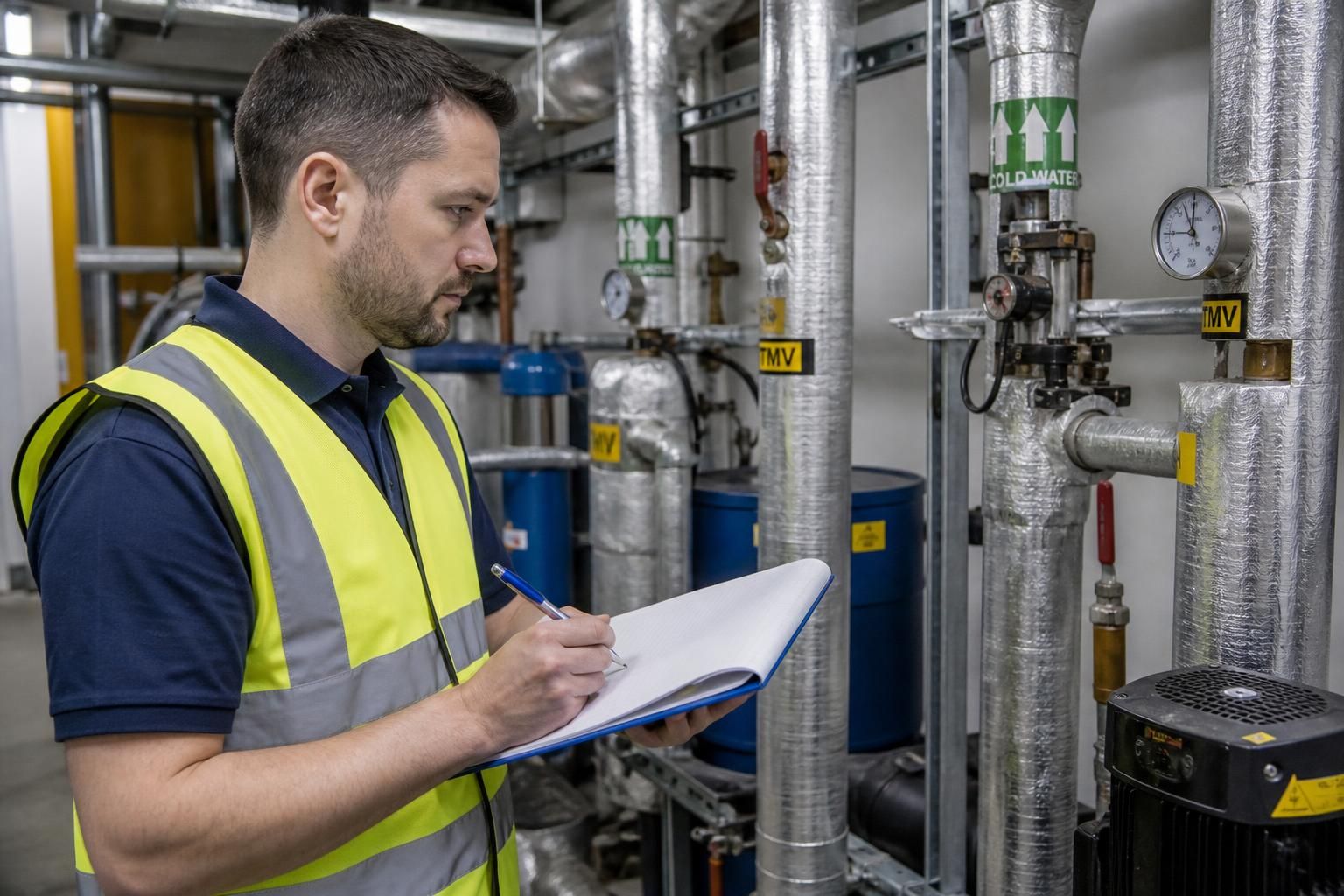
Technical Expertise in Legionella Risk Assessment Training
Legionella risk assessment training develops the knowledge needed to examine water systems systematically and determine whether existing arrangements adequately control the risk of exposure. It goes beyond general awareness by introducing the technical principles behind system design, water usage, stagnation, temperature control and areas where conditions may support Legionella growth.
Effective training also clarifies the responsibilities of the duty holder, appointed risk assessor and personnel involved in implementing control measures. Learners should understand how to work within the expectations of the Health and Safety at Work etc. Act, the Approved Code of Practice L8 and HSG274, while recognising when specialist advice or further investigation is required.
Blue Fish Water Management applies practical water hygiene experience to the interpretation of site information, assessment records and management arrangements. This helps attendees distinguish between a suitably evidenced assessment and a superficial checklist, supporting clearer recommendations, traceable decisions and more consistent review of legionella control arrangements.
A Practical Approach to Legionella Risk Assessment Training
Training can be organised around a clear engagement sequence: establish the client’s requirements, understand the water system, complete the assessment activity, document the outcome clearly, and decide what follow-up, communication or remedial work the findings require.
- 1
Confirm the Training Requirements
The engagement begins by clarifying who will attend, their existing responsibilities and the level of assessment knowledge required. This helps align the course with the client’s procedures, water systems and compliance objectives.
- 2
Review Relevant System Information
Training can then use suitable site information, such as schematic drawings, asset registers, monitoring records and written control schemes. Reviewing these materials helps learners connect assessment principles with the types of evidence available in practice.
- 3
Work Through Assessment Methods
Attendees are guided through the process of identifying relevant water outlets, storage arrangements, usage patterns and management controls. Practical exercises help them recognise incomplete information, question assumptions and identify where further technical input may be needed.
- 4
Record Findings Clearly
The assessment outcome should set out the evidence considered, significant findings, existing precautions and any recommended actions. Training emphasises clear wording, logical reasoning and records that allow duty holders and responsible personnel to understand how conclusions were reached.
- 5
Identify Follow-up Actions
The final stage is to consider how findings should be communicated and managed. This may include revising control arrangements, improving monitoring records, commissioning additional investigation or referring remedial requirements to suitably competent specialists.
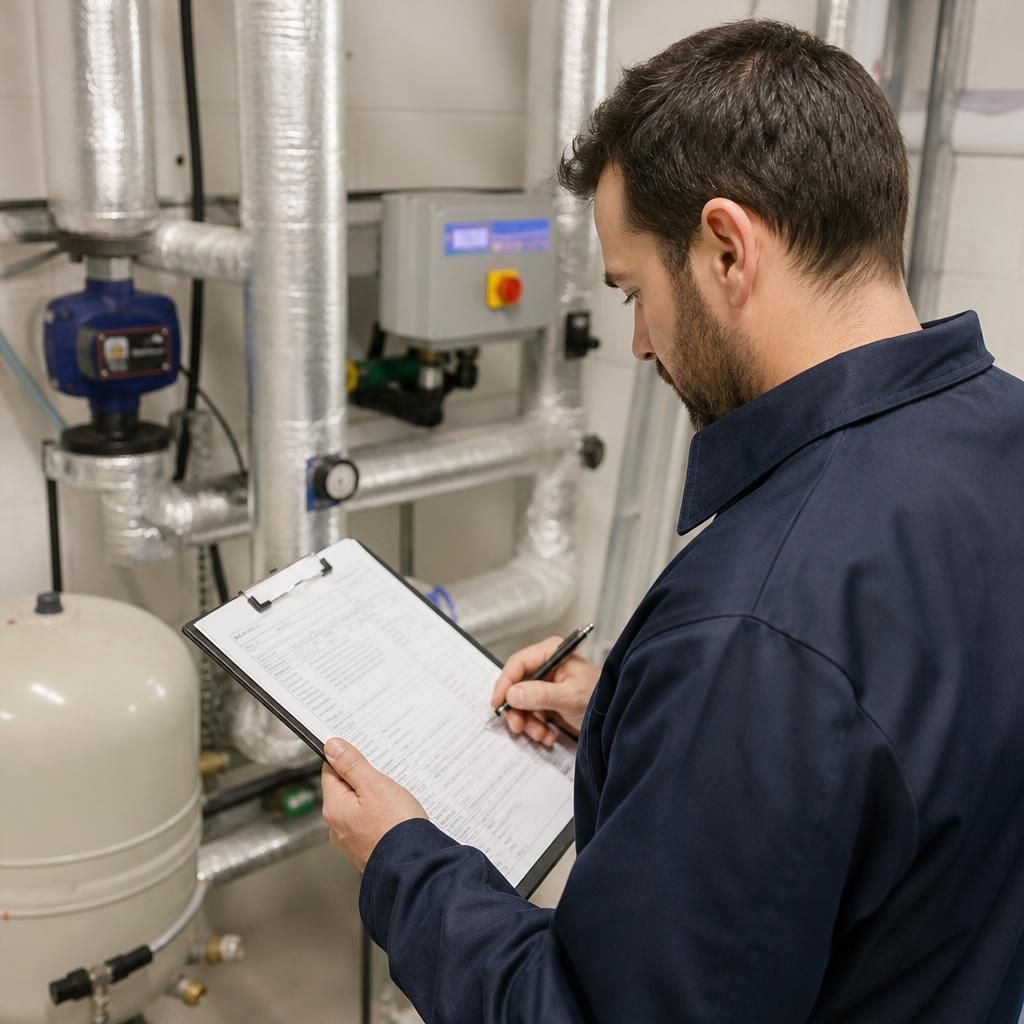
Evidence-Based Legionella Assessment Reporting
Completed legionella risk assessment training should leave learners able to recognise what a defensible assessment record contains: site details, system descriptions, identified hazards, people at risk, existing controls and actions supported by evidence. The record should show how conclusions were reached rather than simply marking questions as complete.
Training should also cover technical findings that may require attention, such as dead legs, low-use outlets, inadequate temperature control, vulnerable users or gaps in monitoring. Observations should be linked to the relevant part of the water system and explained in terms of risk, rather than presented as isolated faults.
A well-structured report distinguishes immediate control needs from planned improvements, assigns responsibility and records review requirements. This gives duty holders a practical basis for tracking actions and demonstrating that assessment findings have been considered.
Questions About Legionella Risk Assessment Training
Who should attend legionella risk assessment training?
Suitable training depends on the learner’s role: duty holders need oversight knowledge, while prospective assessors require deeper technical instruction, practical interpretation skills and competence to produce defensible findings for clients.
Read moreIs a legionella awareness course enough for risk assessment?
Usually not. An awareness course introduces basic hazards and responsibilities, whereas risk assessment requires technical understanding, system evaluation, evidence gathering and competence to produce a defensible assessment for client systems.
Read moreWhat qualifications should a legionella risk assessor have?
Qualifications should reflect the assessor’s responsibilities, including recognised legionella training, competence in water-system evaluation, knowledge of L8 and HSG274, and experience interpreting evidence, documenting findings and recommending controls for clients.
Read moreHow is competence assessed during legionella risk assessment training?
Competence is typically assessed through knowledge checks, practical interpretation of water-system information and evaluation of written findings. Trainers may review reasoning, evidence selection, hazard identification and proposed, proportionate control measures.
Read moreDoes legionella risk assessment training cover HSG274 and L8?
Yes. It should explain how L8 establishes the overarching control framework, while HSG274 provides practical guidance for assessing hot and cold water systems, monitoring conditions and managing identified risks in practice.
Read morePractical Expertise
Practical legionella training translates water-system conditions into consistent assessments, pragmatic recommendations and dependable compliance support for commercial, industrial and domestic clients.
Discuss Your Legionella Risk Assessment Training Requirements
If your organisation is considering legionella risk assessment training, speak with Blue Fish Water Management to discuss learner roles, site context and the appropriate course scope before agreeing the next step.