
Potable Drinking Water Chlorination
Potable drinking water chlorination uses controlled chlorine dosing to disinfect water intended for human consumption and manage microbial risk. Blue Fish Water Management advises commercial clients on appropriate treatment, verification and ongoing controls to support safe, compliant water systems.
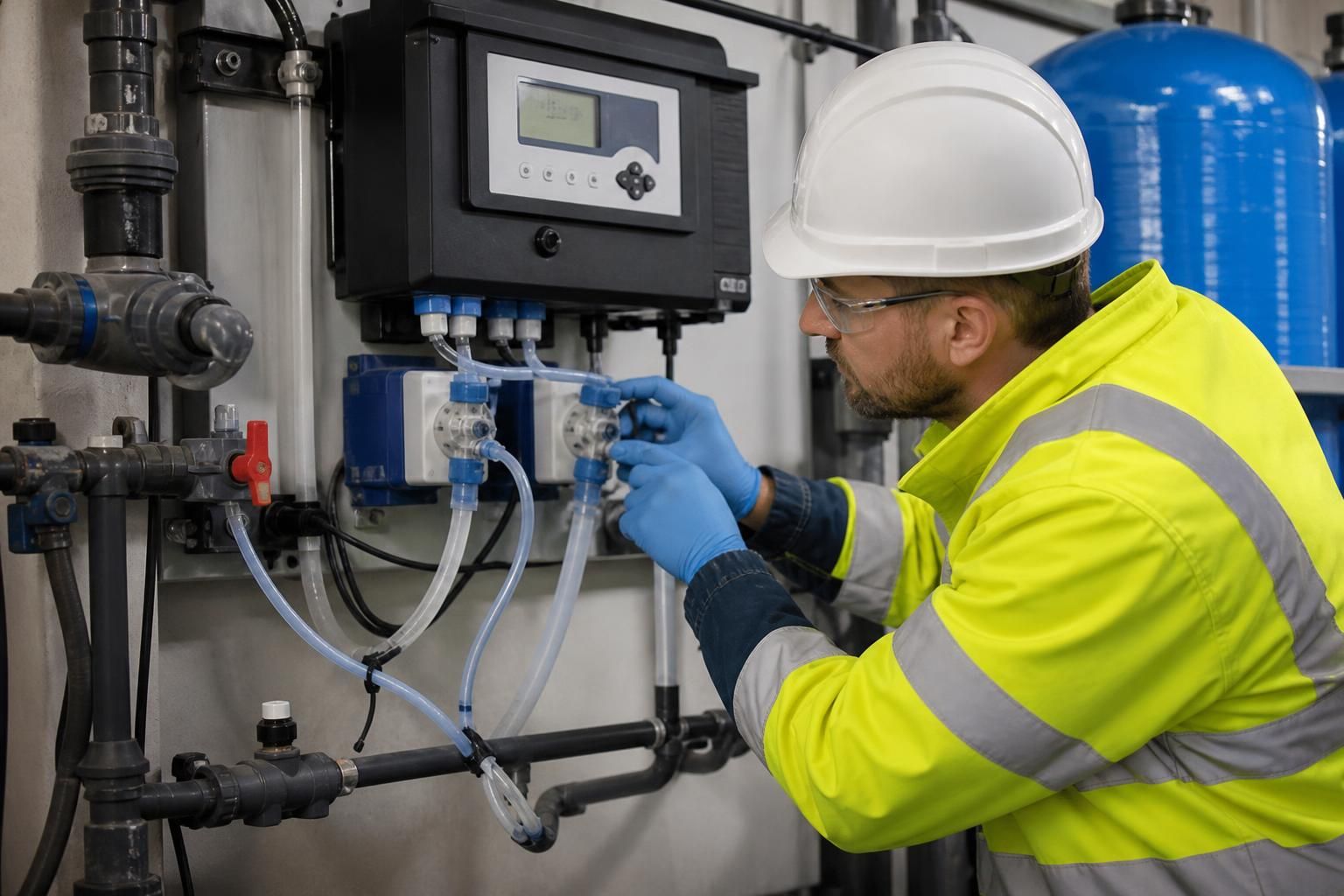
Potable Drinking Water Chlorination: Scope and Controls
A properly specified service addresses source water, storage and distribution arrangements, chlorine dose, contact time, sampling points and acceptance criteria. Documentation should record method, results, corrective actions and controls for maintaining potable quality after treatment.
System and source review
The specification begins with a review of the potable water source, storage vessels, pipework, outlets and operational conditions. This identifies contamination risks, dead legs, flow limitations and suitable points for dosing and verification.
Controlled chlorine dosing
Chlorine is introduced at a controlled concentration suited to the system and treatment objective. The method should define the dosing arrangement, chemical handling requirements, isolation measures and precautions for protecting connected equipment.
Contact time and distribution
Disinfection depends on sufficient contact time and circulation through the relevant sections of the system. The plan should identify how treated water reaches tanks, branches, outlets and other areas that require verification.
Residual and quality checks
Measurements are taken at defined sampling points to confirm that the treatment has reached the intended parts of the system. Chlorine residuals, water quality observations and laboratory results can be assessed against the agreed acceptance criteria.
Independent water testing
Where laboratory confirmation is required, samples can be submitted for UKAS-accredited water testing. Results provide evidence for assessing potable quality and identifying whether further investigation or corrective action is necessary.
Records and handover
A properly managed chlorination exercise produces a clear record of the method, dosing information, contact arrangements, sampling locations, test results, deviations and corrective actions. Handover information should also set out controls for maintaining water quality after treatment.
Understanding Potable Water Chlorination Requirements
Potable water chlorination is the controlled use of chlorine to reduce harmful microorganisms in water intended for drinking, food preparation or other domestic use. Key terms include free chlorine residual, the active chlorine remaining after demand from the water and system materials has been met, and chlorine demand, the amount consumed before a measurable residual remains. These values help determine whether treatment has been effective without confusing disinfection with simply detecting chlorine in the supply.
The system owner or dutyholder remains responsible for managing the water safety risks, appointing suitably competent specialists where required and retaining evidence that treatment was properly controlled. Results should be interpreted alongside the system condition, water quality and sampling location: an acceptable result at one point does not automatically demonstrate uniform protection throughout the installation. Any unsatisfactory finding should be assessed, recorded and followed by proportionate corrective action and further verification.
Typical triggers for treatment
Common triggers include installation or replacement of pipework, modifications to tanks or treatment equipment, contamination incidents and remedial work affecting water quality. The reason for chlorination should be clearly recorded, because the treatment objective determines the method, sampling plan and evidence needed to demonstrate that the system is suitable for use.
The next step is to review the system’s design, condition and intended use before selecting a chlorination method. This establishes whether treatment is appropriate, identifies any restrictions or remedial work, and defines the sampling and record-keeping needed to demonstrate control.
Following treatment, ongoing management should include suitable monitoring, documented review of results and action where conditions change. Blue Fish Water Management can advise commercial dutyholders on interpreting findings and putting proportionate potable water controls in place.
Where Potable Water Chlorination Applies
Potable drinking water chlorination may be relevant to varied commercial premises, from healthcare and hospitality buildings to industrial sites, particularly where storage, low usage, extended stagnation or system alterations create different treatment, verification and management requirements.
New Potable Water Installations
Chlorination can form part of commissioning for newly installed drinking water systems before they are brought into normal use. Treatment should be planned around the installation’s materials, configuration and sampling points, with results retained as part of the commissioning record.
Altered or Extended Systems
System extensions, replacement pipework and significant modifications can introduce contamination risks or change how water moves through an installation. Potable water chlorination may be used where the work scope and risk assessment indicate that controlled disinfection and verification are appropriate.
Suspected Microbial Contamination
Where sampling, investigation or operational evidence indicates possible contamination, chlorination may be considered as one part of the corrective response. The underlying cause should also be assessed, since disinfection alone may not resolve defects in design, cleanliness, temperature control or maintenance.
Complex Distribution Networks
Large or branched potable water systems can produce different chlorine residuals at different outlets. A suitable treatment and sampling plan should account for remote branches, storage arrangements, system materials and points where water quality may vary.
High-Risk Water Uses
Premises where people may be particularly vulnerable to the consequences of waterborne infection require carefully documented controls. Chlorination decisions should sit within the wider water safety plan and be supported by competent interpretation of sampling and verification results.
Post-Remedial Verification
Following cleaning, pipework replacement or other remedial work, chlorination may help verify that the potable system is suitable for return to use where the risk assessment supports it. Records should link the treatment, sampling results and any further actions required.
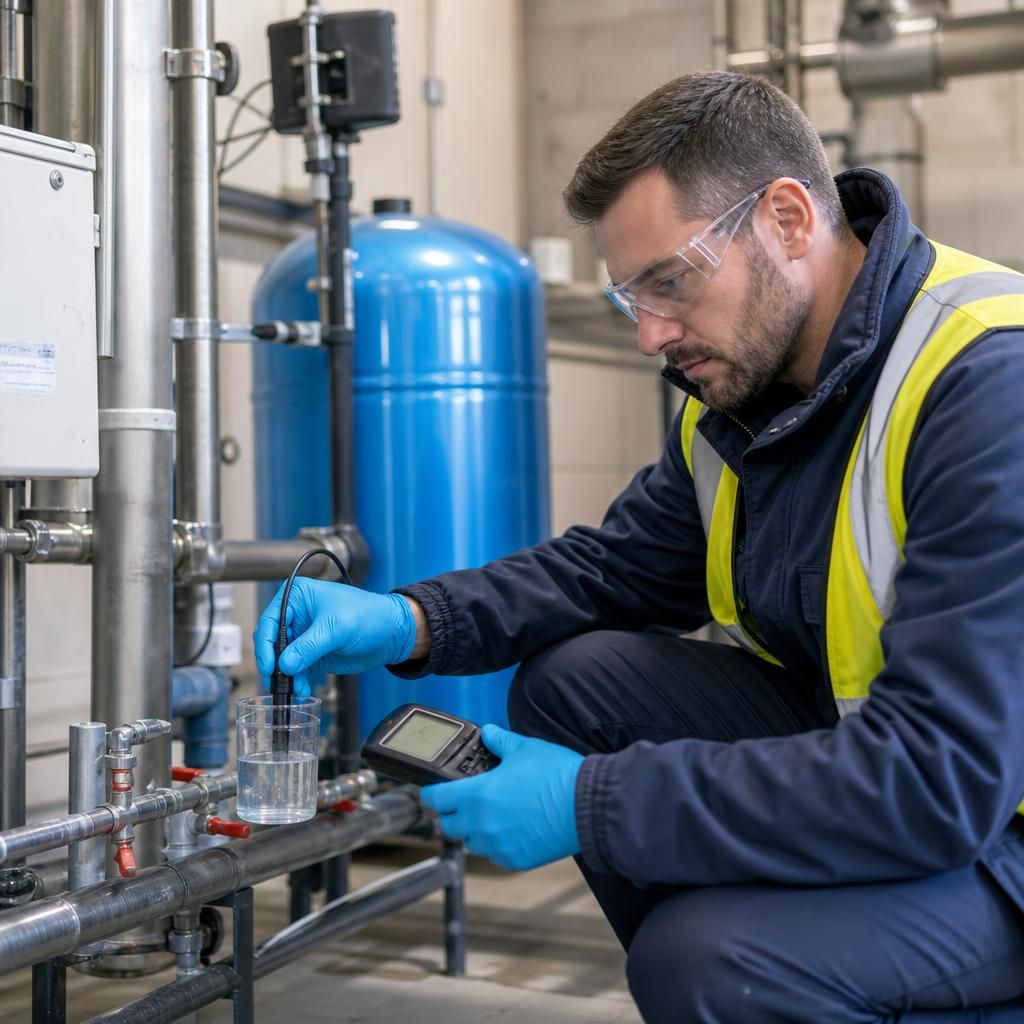
Technical Approach to Potable Drinking Water Chlorination
For potable drinking water, the technical approach begins with reviewing the supply arrangement, storage, pipework materials and points of use before a treatment plan is specified. This prevents chlorine being applied without regard to system design, water demand or potential contamination pathways.
Blue Fish Water Management personnel then coordinate dosing, isolation and operational checks, adapting the work to the installation rather than relying on a standardised sequence. They consider access, vulnerable outlets and any constraints that could affect contact, flushing or subsequent sampling.
Quality control relies on clear method statements, traceable records and results reviewed against the intended control measures. Clients receive findings that distinguish completed tasks from outstanding risks, helping dutyholders decide whether further investigation, remedial work or repeat verification is proportionate to the evidence.
Questions to Ask Before Appointing a Potable Water Chlorination Provider
What competence should a potable water chlorination provider demonstrate?
Choose a provider that can demonstrate relevant competence, explain its potable-water methodology, provide traceable reports, clarify dutyholder responsibilities, agree verification arrangements, and support proportionate follow-up actions after treatment when required.
Read moreHow long should potable drinking water chlorination take?
The duration depends on system size, complexity, access, contamination, contact requirements, flushing and verification. A provider should assess these factors beforehand and confirm a programme for each installation in writing.
Read moreWhat accreditation should a potable drinking water chlorination provider hold?
Ask which accreditation applies to the work, what its scope covers, and whether testing is performed through a UKAS-accredited laboratory. Accreditation should be relevant, current and verifiable for chlorination work.
Read moreWhat chlorination method will be used for my potable water system?
Ask whether the method is shock or continuous dosing, why it suits the installation, how chlorine demand and materials affect it, and how contact, flushing and verification will be controlled.
Read moreWhat should a potable water chlorination report include?
A report should record the system treated, method, chlorine concentrations, contact period, flushing, sampling locations, test results, deviations, limitations and recommendations, with dates and evidence supporting dutyholder review and follow-up.
Read moreDiscuss Your Potable Water Chlorination Requirements
Discuss your potable drinking water chlorination requirements with Blue Fish Water Management. Share details of the system, intended use and any current concerns so the team can clarify suitable scope, verification needs and practical next steps.