
UK Legionella Control and Water Hygiene
Blue Fish Water Management provides legionella control and water hygiene services for commercial, industrial and domestic water systems. Its specialists deliver risk assessments, UKAS-accredited testing, monitoring, training and remedial works to support safe, compliant water management.

Water Safety Services for Your Organisation
The service options below address the stages of water safety management: identifying hazards, checking water quality, maintaining control measures, correcting system deficiencies and developing staff competence. Select the starting point that matches your organisation’s risk, evidence and compliance requirements.
Legionella Risk Assessments
Assess water systems for legionella hazards, review existing control measures and identify practical actions for managing risk.
UKAS-Accredited Water Testing
Use accredited water testing to obtain evidence about water quality and support informed decisions within your water management programme.
Water Safety Compliance Audits
Review documentation, responsibilities and control arrangements to identify compliance gaps and clarify the evidence required for effective oversight.
System Monitoring
Maintain appropriate checks on water management controls so changes in system conditions can be identified and addressed.
Remedial Works
Address system deficiencies through targeted remedial measures designed around the risks identified during assessment and monitoring.
Water Hygiene Training
Develop staff understanding of legionella prevention, water hygiene responsibilities and the procedures needed to support compliant control.
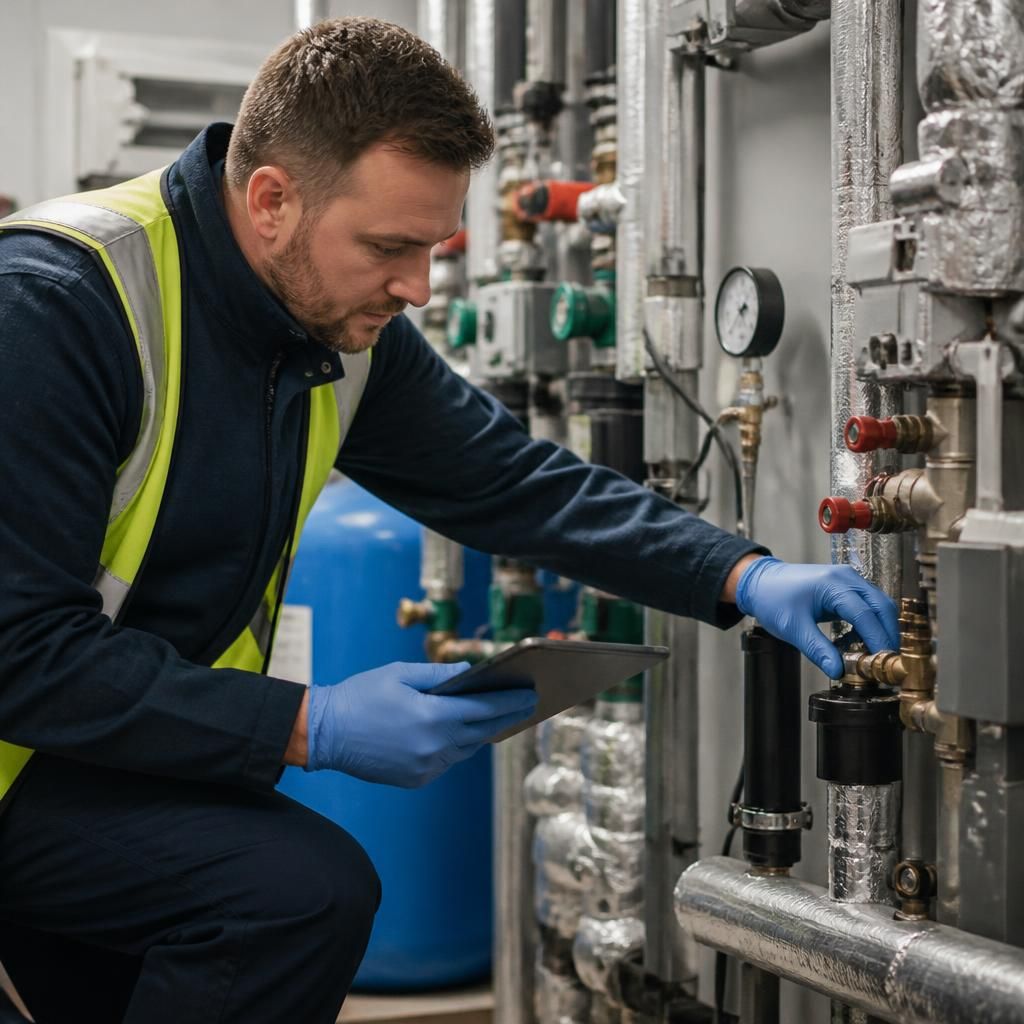
Practical Expertise in Legionella Compliance
Legionella compliance depends on understanding how water systems are designed, operated and used, not simply on arranging occasional samples. Blue Fish Water Management applies specialist knowledge to identify conditions that may allow Legionella bacteria to multiply and to assess whether existing controls remain suitable.
Where laboratory evidence is required, UKAS-accredited water testing supports dependable interpretation of results. Results are considered alongside system information, monitoring records and site observations, helping distinguish an isolated result from a wider control issue. This gives responsible persons a clearer basis for deciding what needs attention.
Advice is pragmatic rather than template-led. Recommendations reflect the system’s risks, the organisation’s duties and the practical steps available to reduce exposure. The aim is a proportionate compliance approach that can be understood, implemented and reviewed as operating conditions change.
Practical Benefits of Professional Water Management
Professional water management turns legionella controls into a documented operational process, helping organisations assign responsibilities, maintain required records and demonstrate that precautions are being applied consistently.
Monitoring schedules and review of results can expose deteriorating conditions before they become persistent. Where corrective work is needed, remedial recommendations can be matched to the system rather than based on generic assumptions, supporting proportionate decisions and easier ongoing compliance for responsible persons, site teams and contractors across managed premises.
Reduced Legionella Risk
Identifying conditions that may support Legionella growth helps organisations prioritise controls and reduce avoidable exposure within their water systems.
Clearer Compliance
Documented responsibilities, records and review points give responsible persons a clearer way to demonstrate that water safety controls are being applied.
Reliable Monitoring
Structured monitoring and considered review of findings help identify changes in system performance before they become persistent control issues.
Tailored Remedial Support
Recommendations based on the design, use and condition of each system support proportionate remedial decisions rather than generic corrective work.
Evidence-Led Water Safety Improvements
Professional water management connects technical findings with the day-to-day operation of a site. Clear control measures can be incorporated into planned maintenance, contractor instructions and staff procedures, giving teams a consistent way to manage water safety rather than treating legionella control as isolated testing.
Over time, structured review of system performance and completed actions helps organisations identify recurring weaknesses, prioritise remedial work and refine their approach as conditions change. This supports more consistent implementation, clearer communication between responsible persons and contractors, and sustained improvements in water safety management.

Clearer Control Measures
Evidence from site observations, system information and water testing can be translated into defined control measures. These may include temperature checks, flushing routines, cleaning requirements or escalation points, depending on the system and its risk profile. Setting out responsibilities clearly helps responsible persons and contractors understand what must be completed, recorded and reviewed.
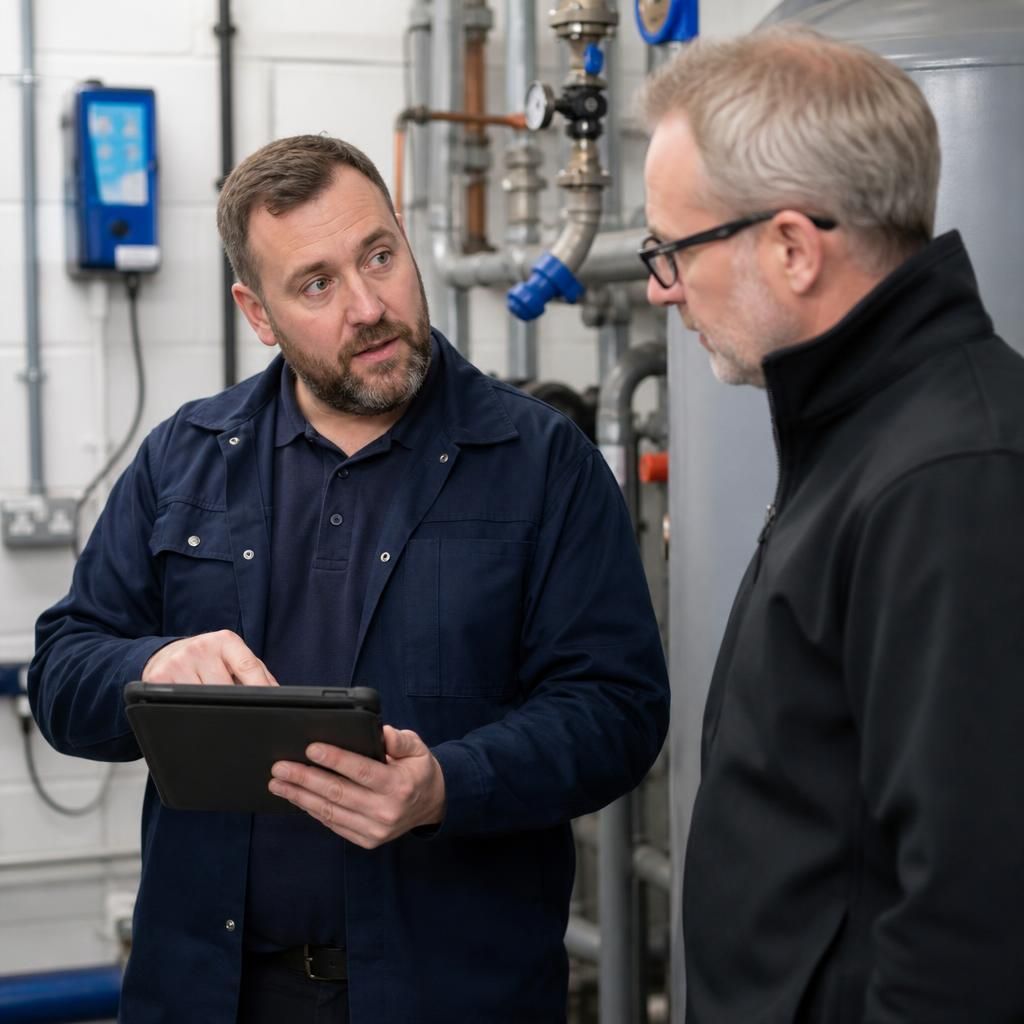
Consistent Site Procedures
Water safety controls are more effective when they are incorporated into existing maintenance and operating procedures. Practical guidance can help teams align contractor instructions, monitoring records and staff responsibilities, reducing the risk of important actions being missed or applied inconsistently across a site.
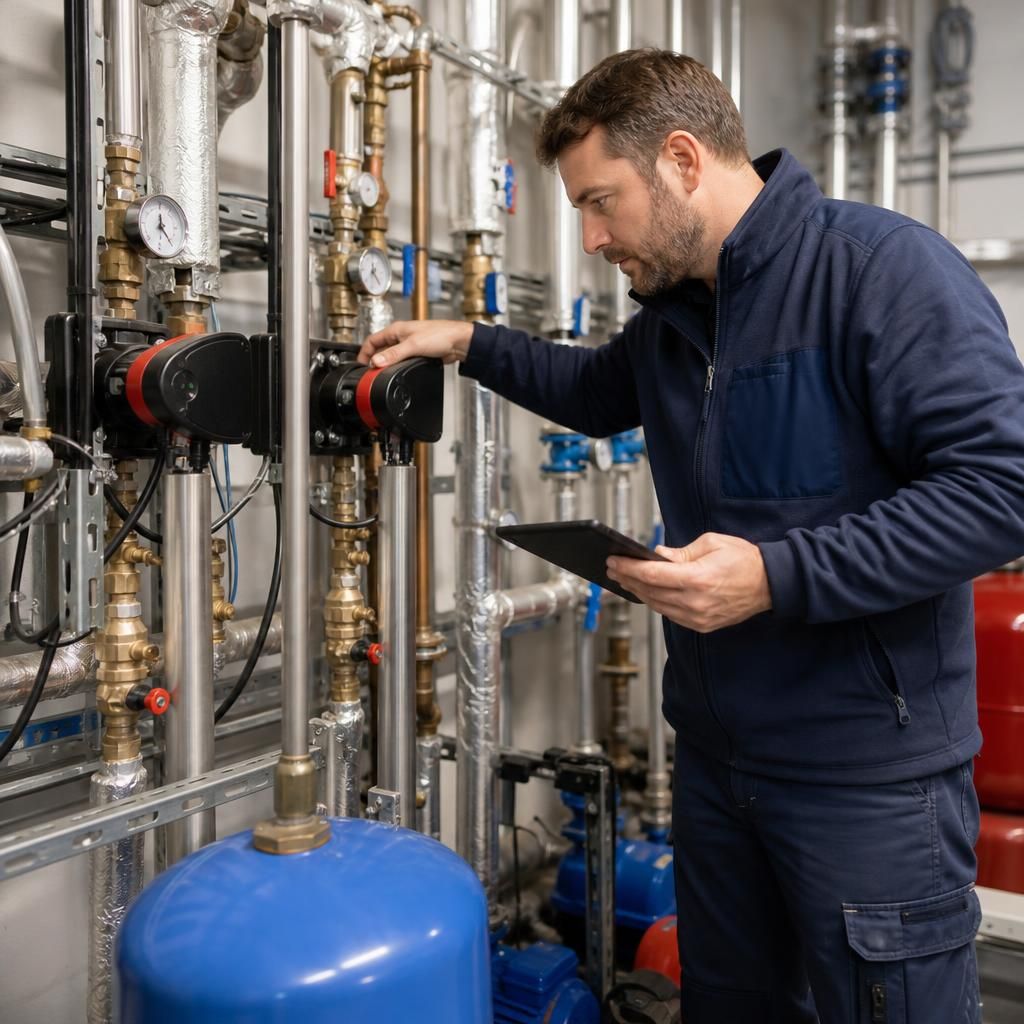
Prioritised Remedial Action
Not every identified issue requires the same response. Reviewing the condition, use and operation of a water system helps organisations distinguish immediate control requirements from planned improvements. Remedial recommendations can then be prioritised according to the risk presented and the practical changes needed to strengthen system management.

Ongoing Performance Review
Monitoring records provide useful evidence when they are considered over time rather than filed as isolated results. Reviewing recurring temperature variations, incomplete tasks or repeated findings can reveal weaknesses in how a system is managed. This supports informed adjustments to procedures and helps maintain appropriate controls as site conditions change.

Stronger Compliance Evidence
Accurate records show how water safety arrangements are being implemented and where further action is required. Bringing together assessments, monitoring information, test results and completed works gives organisations a clearer audit trail. It also supports more effective communication between responsible persons, operational teams and external contractors.
Tailored Support
Support covers domestic, industrial and commercial sites nationally, with practical recommendations adapted to each system, building use and operational requirements.
Legionella Control and Water Hygiene FAQs
What does a commercial legionella risk assessment include?
Responsible persons should maintain an up-to-date management plan, assign monitoring duties, record control checks, investigate deviations and review actions, using competent advice where risks or responsibilities change within the organisation.
Read moreHow often should legionella water testing be carried out?
Testing frequency should follow the site-specific risk assessment, system conditions, usage and monitoring results. Review it when circumstances change, abnormal results occur, or control measures require reassessment during formal review.
Read moreWhat happens after a positive legionella test?
A positive result requires documented investigation, confirmation of sampling context, review of control measures and proportionate corrective action, followed by targeted resampling where competent advice identifies that need as appropriate.
Read moreDo landlords need a legionella risk assessment?
Landlords should assess the risk from Legionella bacteria in rented water systems, document appropriate controls, and retain records showing monitoring, maintenance and actions taken to protect occupants and demonstrate compliance.
Read moreWhen is a legionella risk assessment required?
A legionella risk assessment is required where people may be exposed to contaminated water aerosols, especially in workplaces, rented properties, healthcare settings, or systems with complex or changing management responsibilities.
Read moreDiscuss Your Water Management Requirements
Discuss your site, compliance obligations or water management concerns with the Blue Fish team. Relevant system information and existing records can help frame the conversation around practical next steps for responsible persons and operational teams.