
Chlorination for Compliant Business Water Systems
Chlorination water treatment uses a controlled chlorine dose to disinfect a building’s water system, reducing harmful microbial contamination. For commercial, industrial and domestic system owners, Blue Fish Water Management provides planned treatment, verification testing and compliance-focused guidance.
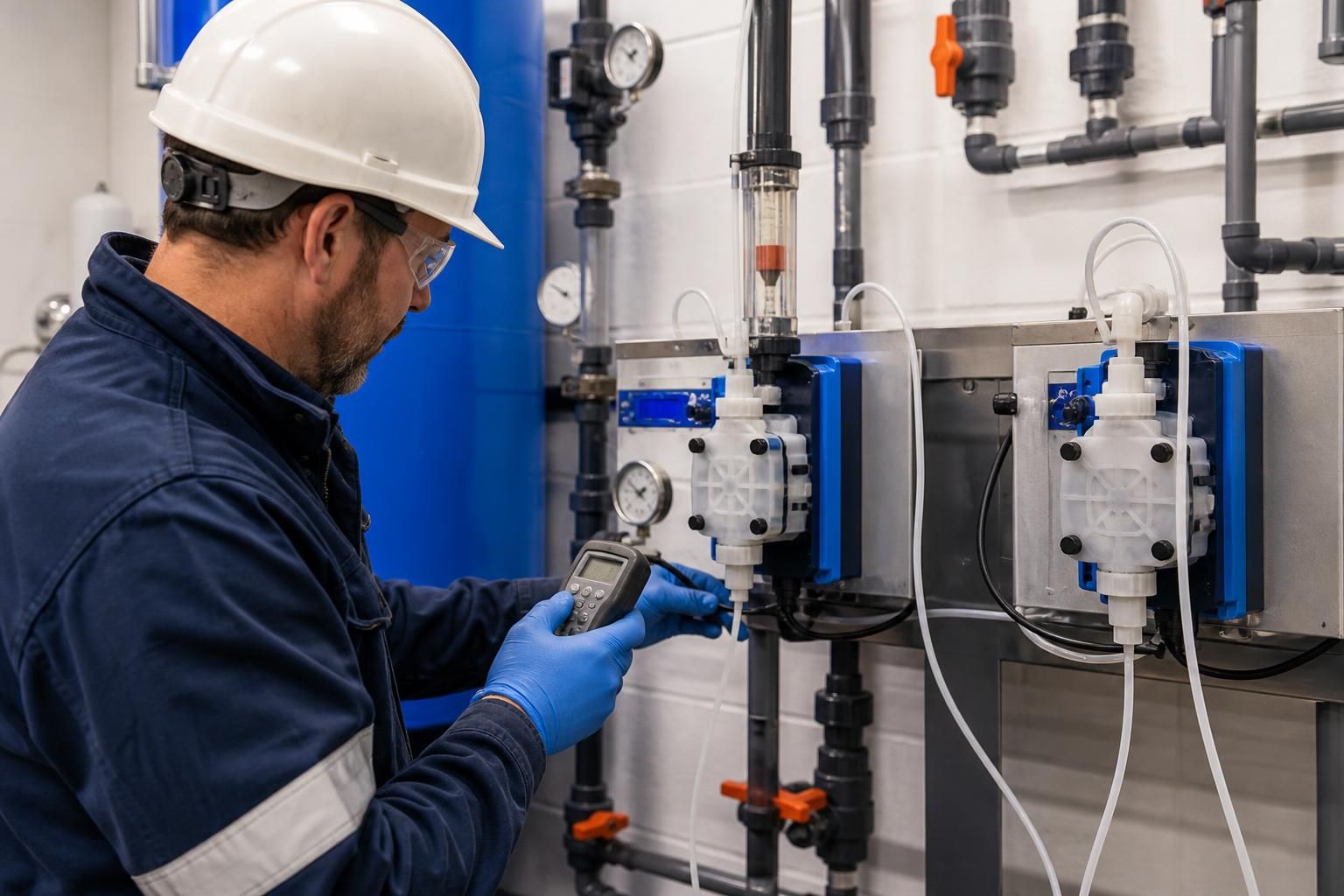
Compare Chlorination Water Treatment Approaches
Chlorination water treatment can be planned for targeted outlets, individual buildings or wider distribution systems. The appropriate approach depends on contamination risk, system condition, operational constraints and whether disinfection, verification or ongoing control is required.
Targeted outlet disinfection
This approach treats selected taps, showers or other outlets where contamination is localised or where a particular outlet presents a higher risk. It limits the work to affected points, but should follow investigation of the wider system rather than replace it.
Branch or zone chlorination
A defined section of pipework, plant or a building zone is isolated and disinfected where the risk is concentrated in one part of the installation. This can suit larger premises with separable systems and reduces disruption compared with treating every connected outlet.
Whole-system shock chlorination
Shock chlorination applies a controlled disinfectant treatment throughout the accessible water system. It is generally considered where contamination is widespread, following system alterations or as part of remedial work, with flushing and follow-up sampling needed before normal use resumes.
Continuous chlorine dosing
Continuous dosing introduces disinfectant into the water supply at a managed level to support ongoing control in systems with persistent or recurring microbial risk. It requires suitable dosing equipment, monitoring, maintenance and management procedures, so it is a longer-term control measure rather than a one-off treatment.
Incoming supply or distribution-system disinfection
Disinfection can be planned for incoming mains, storage arrangements or wider distribution networks when the scope of the risk extends beyond individual outlets or building zones. This approach requires careful coordination of isolation, contact time, flushing and water quality checks across the connected system.
What Chlorination Water Treatment Includes
Effective chlorination requires more than applying disinfectant. The work may include preparation, dose control, contact-time management, safe flushing, documentation and follow-up checks, with each activity coordinated to protect users, preserve system integrity and support the responsible person’s compliance records.
System Preparation
The water system is reviewed before treatment begins, identifying outlets, storage tanks, distribution pipework, dead legs and areas requiring isolation or access. This helps define a controlled chlorination method suited to the system.
Controlled Chlorine Dosing
A measured chlorine dose is introduced in accordance with the treatment plan. Concentration is managed carefully to support effective disinfection while reducing unnecessary risk to system components and users.
Contact-Time Management
The disinfectant remains in the system for the specified contact period. This stage is controlled and recorded because both chlorine concentration and exposure time affect the effectiveness of treatment.
Flushing and Neutralisation
Following disinfection, outlets and pipework are flushed in a controlled sequence to remove residual disinfectant. Where required, neutralisation measures help return the system to an appropriate operating condition.
Verification Testing
Water samples and relevant field measurements are taken to check treatment results and confirm that residual chlorine levels are suitable before the system is returned to normal use.
Treatment Records
The completed work is documented with details such as the system treated, chlorine readings, contact period, flushing activity, test results and any observations requiring further action. These records support the responsible person’s water safety documentation.
Choosing the Right Chlorination Support for Your Water System
When is chlorination water treatment appropriate for a business water system?
The appropriate service depends on system design, risk profile, evidence available and compliance gaps. Blue Fish can help identify whether planned chlorination, verification testing or remedial work is proportionate.
Read moreWhat does a chlorination water treatment plan include?
A chlorination water treatment plan sets out system boundaries, treatment objectives, preparation requirements, dosing arrangements, isolation and flushing procedures, verification evidence, responsibilities, contingency actions and records needed for demonstrable compliance.
Read moreWhat evidence should chlorination water treatment produce for compliance?
Evidence should include treatment records, test results, sampling details, readings, deviations, corrective actions and sign-off. These records should link findings to the responsible person’s compliance review and demonstrate that stated.
Read moreWhat safety controls are needed during chlorination water treatment?
Safety controls include risk assessment, chemical handling procedures, suitable protective equipment, isolation of affected outlets, warning notices, controlled discharge, safe flushing, and checks preventing exposure to treated water before reuse.
Read moreWhat should a business check before appointing a chlorination water treatment provider?
Check the provider’s relevant experience, technical competence, scope of work, sampling arrangements, chemical-management controls, reporting standards, and understanding of your system’s design, risks, and responsible-person obligations before appointment is confirmed.
Read moreQuestions to Ask Before Chlorination
Before approving chlorination water treatment, establish which parts of the system are included, why disinfection is required and how the proposed method will address the identified risk. Ask the provider to explain the relevant competence, control measures, verification testing and records that will be produced.
Clarify the planned sequence, expected timescale, access requirements and arrangements for reporting results or defects. The system owner should also confirm which preparation, communication, access and follow-up responsibilities remain with their organisation once the treatment is complete.
What should the scope document cover?
Ask for a written description or schematic identifying the affected system sections, isolation points, storage arrangements and outlets. It should also state whether the work covers the full system or a defined section, and identify any areas that cannot be treated or accessed. This prevents assumptions about what has been disinfected and provides a clear basis for later verification and reporting.
Use the answers to create a clear written basis for approval, including the agreed acceptance criteria, named decision-maker and process for dealing with unexpected findings. If any of these points remain uncertain, request clarification before authorising the chlorination work.
This approach helps the responsible person assess whether the proposed treatment is suitable for the system and whether the resulting evidence will support future water safety decisions.
Discuss Your Chlorination Requirements
Speak with Blue Fish Water Management about your system requirements to assess whether chlorination is appropriate, understand the information needed and receive practical advice on the most suitable next step.