
Septic & Sewage Tank Cleansing
Septic and sewage tank cleansing removes accumulated sludge, solids and settled waste from containment systems, helping organisations maintain capacity and support responsible site management. This page explains what cleaning a septic tank involves and when planned cleansing may be required.
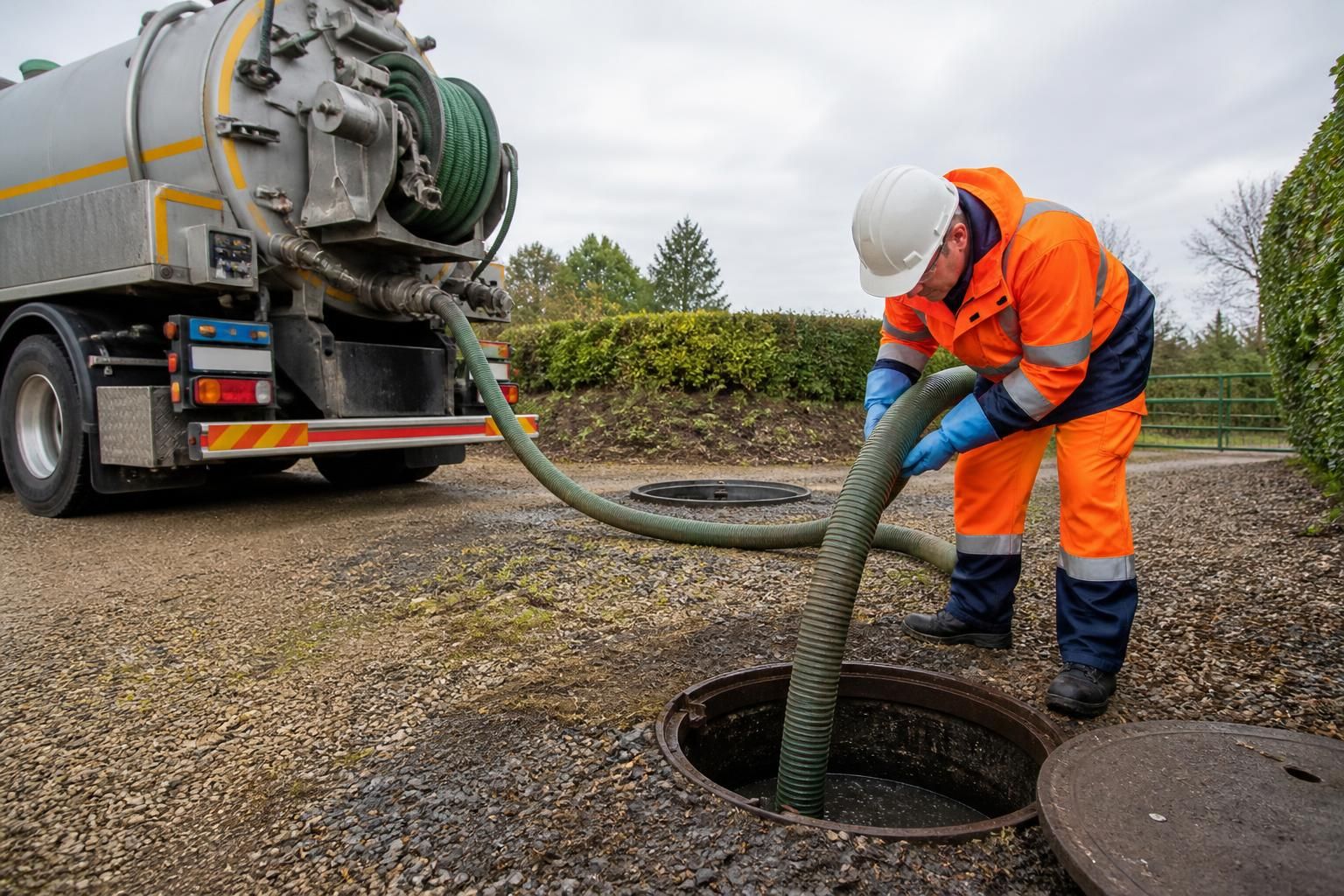
Key challenges in managing septic and sewage tanks
Managing septic and sewage tanks involves controlling waste containment, access, inspection, cleansing and disposal in line with site requirements. Difficulties arise when responsibilities are unclear, tank condition is uncertain, or service work disrupts operations and creates health and environmental risks.
Uncertain sludge and solids levels
Without a reliable record of tank condition, it can be difficult to judge when cleansing is necessary. Sludge accumulation reduces available capacity and may increase the risk of carry-over, restricted flow or unplanned intervention.
Safe access to the tank
Tanks may be located beneath covers, within traffic areas or in restricted plant spaces. Access arrangements must allow inspection and cleansing equipment to be used safely while preventing falls, unauthorised entry and contact with contaminated material.
Confined-space and biological hazards
Septic and sewage tanks can contain harmful microorganisms, toxic gases and oxygen-deficient atmospheres. Opening or entering a tank therefore requires suitable risk assessment, controls and trained personnel; entry should not be treated as routine cleansing work.
Disruption to site operations
Cleansing may require vehicle access, temporary restrictions around the tank and coordination with site occupants or contractors. Poor planning can obstruct deliveries, affect sanitation arrangements or interfere with business activities.
Waste transfer and disposal records
Removed sludge and sewage must be handled, transported and disposed of through appropriate waste arrangements. Clear documentation helps demonstrate where the waste went and supports the organisation’s duty of care.
Unknown tank condition
Cleansing can reveal damaged covers, corrosion, cracked chambers, blocked inlets or other defects that were not visible during normal operation. These findings may require separate inspection and remedial planning rather than being assumed to form part of routine tank emptying.
Unclear responsibility for maintenance
Responsibility may be divided between a site owner, occupier, facilities team, landlord or drainage contractor. Establishing who arranges cleansing, keeps records and acts on defects helps prevent missed maintenance and confusion after an incident.
Questions to Ask Before Tank Cleansing
When reviewing the need for cleaning a septic tank or sewage tank, consider the system’s design, usage pattern, sludge level, inspection history and any changes in connected buildings or drainage. These factors help distinguish routine desludging of a septic tank from cleansing required because of altered loading, restricted capacity or a developing fault.
Before arranging work, confirm who controls the tank, what records are available, how the contractor will access it, and how removed waste will be handled. The appropriate action may be scheduled cleansing, an inspection before deciding, or further investigation where tank performance or structural condition is uncertain.
Review the evidence first
Check whether there has been slow drainage, odour, overflow, unusually high levels or a change in the number or type of premises connected to the system. Compare these observations with previous inspection and cleansing records, if available. A tank that is approaching its working capacity may need planned cleansing, while persistent problems may indicate an issue with the drainage field, inlet, outlet or tank structure that requires investigation rather than cleansing alone.
The outcome of the review should be a recorded decision on whether cleansing is required, what the work must include and who will verify the tank afterwards. Keeping this decision with service records helps demonstrate that desludging has been considered in relation to the site’s actual use and condition.
Where the evidence is incomplete, an inspection can provide a sounder basis for specifying cleaning a septic tank or sewage tank. Blue Fish Water Management can advise on a proportionate approach to sewage tank cleaning and related water hygiene considerations for commercial and industrial sites.
Benefits of Effective Septic and Sewage Tank Cleansing
Effective septic and sewage tank cleansing restores capacity and reduces the likelihood of overflow, odour and operational restrictions. It provides a point for checking tank condition and recording waste-management decisions.
Planned access and disposal arrangements can limit disruption. Records of cleansing, inspection and follow-up actions support compliance oversight and help identify changing loading or performance before maintenance is needed.
Safer containment
Removing settled sludge and solids helps containment systems operate within their intended capacity and reduces the risk of waste escaping from the tank.
Clearer compliance evidence
A documented cleansing scope, waste-disposal route and post-work check provide clearer evidence for site compliance reviews.
Fewer operational interruptions
Planned cleansing allows access arrangements and site controls to be considered in advance, reducing the likelihood that accumulated waste creates avoidable restrictions.
Better maintenance decisions
Observations made during and after cleansing help distinguish routine desludging from issues requiring inspection, remedial work or further investigation.
More responsible waste management
Confirming how removed sludge and sewage will be handled supports traceable disposal decisions and more consistent environmental control.
Questions About Septic and Sewage Tank Cleansing
What records should follow sewage tank cleaning?
Competent contractors should provide scope, access requirements, waste-transfer documentation and completion findings. Responsibilities should be agreed beforehand, with controls adapted to tank type, site-specific risks and operating constraints.
Read moreWhat disruption can sewage tank cleaning cause?
Disruption depends on tank location, access requirements and site operations. Planned isolation, clear vehicle routes and agreed work areas can reduce interference with occupants, traffic and connected processes during cleansing.
Read moreHow should businesses assess competence for sewage tank cleaning?
Assess competence through relevant experience, documented procedures, trained personnel, suitable equipment, waste-handling arrangements and evidence of comparable work. Confirm insurance, legal compliance and clear method statements before appointment is made.
Read moreWhat should happen if a septic tank cannot be safely accessed?
If access is unsafe, a competent contractor should stop work, assess alternatives, and confirm whether the tank can be reached safely. Further cleansing should await controls, access arrangements or equipment.
Read moreWho is responsible for arranging sewage tank cleansing?
The duty usually falls to the site owner, occupier or appointed facilities manager, depending on contractual arrangements. They should coordinate cleansing with the responsible drainage contractor and confirm post-work responsibilities.
Read moreDiscuss Your Tank Cleansing Requirements
Discuss your tank’s condition, access arrangements and cleansing requirements with Blue Fish Water Management. We can help clarify the appropriate scope of work, documentation and follow-up considerations for your commercial or industrial site.