
Water Treatment Using Chlorine Safely
Water treatment using chlorine is a controlled disinfection method for reducing harmful microorganisms in water systems. Blue Fish Water Management assesses system conditions, applies appropriate treatment controls and supports evidence-based compliance and safe operation.
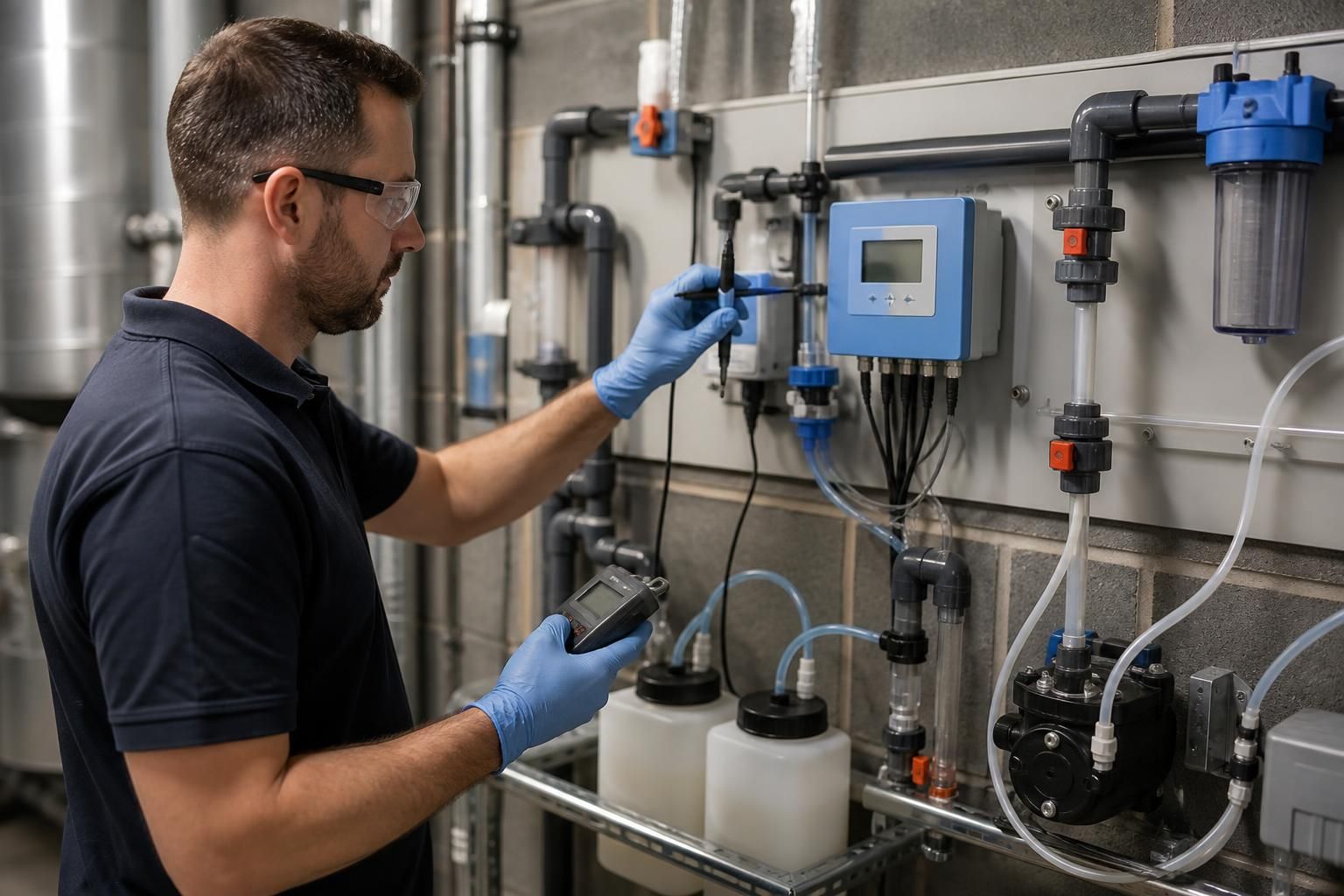
What Water Treatment Using Chlorine Includes
Water treatment using chlorine is specified around the system’s source, materials, condition and use. A suitable service defines chlorine dosing, contact time, sampling, verification records and any corrective actions, with controls aligned to relevant water safety responsibilities.
Chlorine Treatment Plan
The treatment specification identifies the appropriate chlorine application, dosing requirements and control points for the water system. It accounts for system condition, materials, intended use and the level of disinfection required.
Dose and Contact Control
Effective chlorination depends on maintaining a suitable disinfectant concentration for the required contact period. Dosing and contact controls are defined, monitored and adjusted where system conditions affect treatment performance.
Sampling and Verification
Sampling provides evidence that chlorine treatment has been applied and controlled as specified. UKAS-accredited water testing can support verification, with results assessed against the relevant water safety requirements.
Corrective Actions
Where monitoring or test results identify a control failure, the treatment process and contributing system conditions are reviewed. Corrective actions may include adjusting the dose, addressing faults or carrying out remedial works.
Records and Compliance
A properly managed treatment programme produces clear records of dosing, contact control, sampling, results and actions taken. These records support water safety management, compliance audits and informed ongoing system monitoring.
Understanding Chlorine Treatment Controls and Results
Chlorine for water treatment works by maintaining sufficient disinfectant in contact with the water for an appropriate period. The required dose depends on chlorine demand from organic matter, biofilm, sediments and pipe materials; the remaining free chlorine residual indicates how much disinfectant is available after that demand has been met. Contact time, temperature, pH and flow can all affect treatment performance.
The system owner or duty holder remains responsible for making sure treatment is suitable for the system and its use. A competent assessment should define sampling points, acceptance criteria, records and action levels. Results should be interpreted alongside operating conditions rather than viewed in isolation: an acceptable residual does not, by itself, confirm that every part of a system has received effective disinfection.
How chlorine measurements are interpreted
Free chlorine is commonly used to assess the disinfectant reserve at a sampling point. Total chlorine may be higher because it includes combined chlorine compounds, which can have different disinfection characteristics. Results should therefore identify the parameter tested, the sampling location and the operating conditions at the time of collection. A result that appears satisfactory for one parameter should not be treated as evidence that all parts of the system are adequately controlled.
Before treatment is commissioned, the system owner should confirm the scope with a competent water hygiene specialist, including access requirements, any vulnerable users, operational constraints and the evidence needed for sign-off. This helps ensure chlorine treatment is planned around the actual system rather than applied as a standard procedure.
Blue Fish Water Management can help interpret the treatment requirements, coordinate the necessary checks and identify whether further investigation or remedial work is appropriate. The resulting information can then support water safety records and future decisions about system management.
Where Water Treatment Using Chlorine May Be Appropriate
The suitability of chlorine-based water treatment depends on the building’s function, system design, water condition and risk profile. The following examples show how treatment planning may differ between premises, from routine control requirements to complex or constrained installations.
Commercial premises with stored water systems
Offices, hotels, retail premises and other commercial buildings may require chlorine treatment where stored cold water, low-use outlets or complex distribution pipework create a need for controlled disinfection. The approach should reflect the building’s water usage, operating procedures and existing water safety controls.
Healthcare and care settings
Healthcare facilities and care environments require particularly careful consideration because water may be used by people who are more susceptible to infection. Any chlorine treatment plan should account for vulnerable users, clinical or care operations, access restrictions and the evidence required to demonstrate that the system is suitably controlled.
Schools and public buildings
Schools, colleges and public buildings can have variable occupancy and periods of reduced water use. Chlorine treatment may form part of a planned response where water systems have been altered, underused or affected by an identified risk, subject to an assessment of the building and its operating arrangements.
Industrial and process sites
Industrial premises may contain extensive pipework, storage arrangements or process interfaces that affect how chlorine treatment is planned. The scope should distinguish water used for domestic purposes from process applications, consider system materials and define controls that prevent treatment from interfering with site operations.
Systems following remedial work
Chlorine treatment may be considered after alterations, repairs, replacement of components or other remedial work that could affect water hygiene. The treatment should be linked to the work completed, with suitable checks and records to support a clear decision on returning the system to normal use.
Complex or difficult-to-access installations
Large buildings, multi-occupancy sites and systems with restricted access may need a more detailed treatment plan. Sampling locations, isolation arrangements and areas that may receive less effective circulation should be identified in advance so that the results provide a meaningful view of the system.
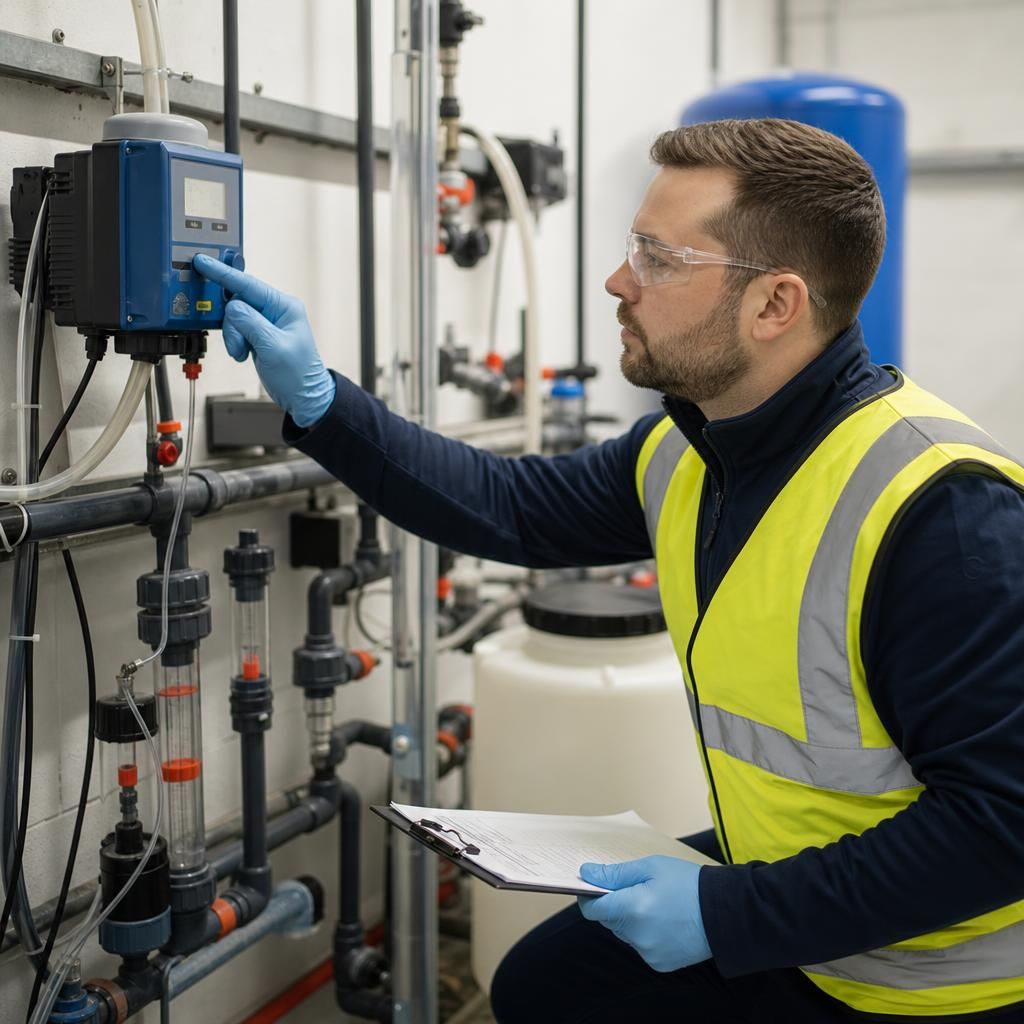
Technical Standards for Chlorine Water Treatment
Water treatment using chlorine is a documented process, rather than simply an injection of disinfectant. Blue Fish Water Management reviews the treatment objective, system design and controls before defining the work method and completion criteria.
Experienced water hygiene personnel assess dosing points, circulation, isolation, flushing and the condition of tanks and pipework. They also identify operational constraints and coordinate with responsible persons where treatment affects building use, helping prevent gaps in coverage or avoidable risks.
Quality control relies on measured results, technical review and clear records. Documentation may record the agreed scope, readings, samples, deviations and remedial recommendations, giving clients an auditable account of work completed and evidence to support ongoing water safety management.
Questions to Ask Before Appointing a Chlorine Water Treatment Provider
What competence should a provider demonstrate for water treatment using chlorine?
Ask who will carry out the work, what relevant competence they hold, how procedures follow current guidance, and whether independent testing, clear reporting and follow-up advice are included within scope.
Read moreWhat methodology will the provider use for chlorine water treatment?
Ask for a method statement explaining preparation, dose selection, contact period, water movement, safe discharge and reinstatement, alongside contingency steps if readings, access or system conditions prevent completion as planned.
Read moreWhat post-treatment support should a chlorine water treatment provider offer?
Ask whether support includes interpreting results, explaining deviations, updating water safety records, recommending remedial action where necessary, and advising on monitoring or verification needed after treatment has been completed.
Read moreWhich responsibilities remain with the system owner during chlorine water treatment?
The system owner must provide accurate system information, arrange access, identify vulnerable users, authorise isolation and flushing, manage building impacts, retain records, and act on findings or recommendations as required.
Read moreWhat timescale should a provider allow for water treatment using chlorine?
Allow time for preparation, dosing, contact, flushing and verification; the provider should explain dependencies created by system size, access, operating constraints, sampling requirements and any remedial work identified during planning.
Read moreDiscuss Your Chlorine Water Treatment Requirements
Discuss your water treatment using chlorine requirements with Blue Fish Water Management. The team can help clarify the appropriate scope, identify relevant practical considerations and prepare tailored advice or a quotation based on your commercial water system.