
Water Hygiene Remedial Actions & Compliance
Commercial water treatment remedial actions address defects identified through monitoring, testing or risk assessment, while compliance evidence demonstrates that controls remain effective. Blue Fish Water Management provides practical advice and proportionate solutions for organisations reviewing their water safety arrangements nationwide.
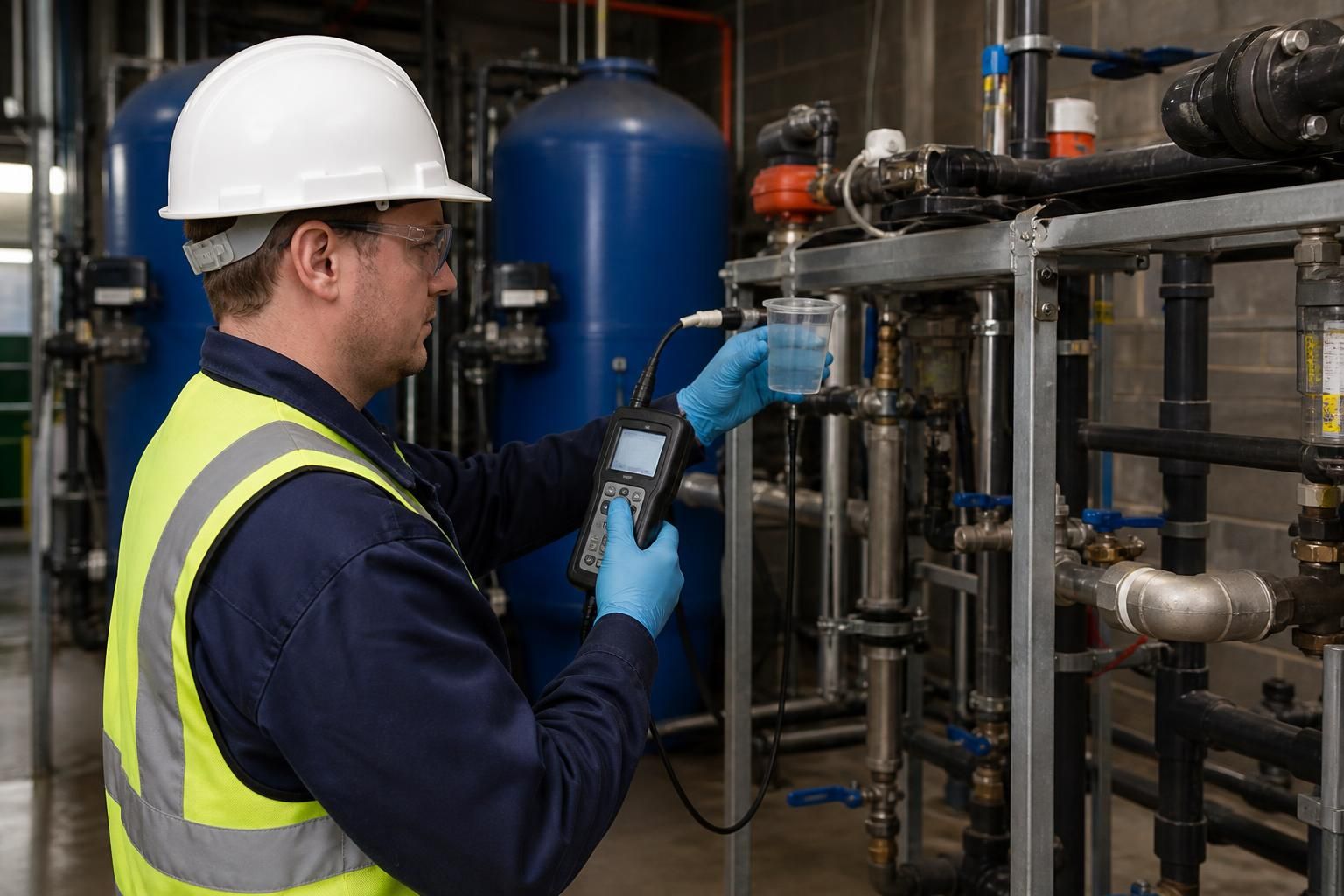
Which Remedial Approach Is Right for Your Water System?
When is disinfection preferable to repair or system replacement?
Cleaning and disinfection suit contamination; repairs address defects; replacement fits persistent system failure. Choose according to compliance evidence, condition, scale, timescale, disruption and budget, then verify effectiveness through monitoring records.
Read moreHow are water hygiene remedial actions prioritised after system findings?
Prioritise actions by immediate health risk, legal significance, defect severity and affected users. Select cleaning, disinfection, repair, monitoring or replacement according to evidence, system condition, scale, disruption and budget.
Read moreWhich remedial action suits each water system condition?
Match cleaning and disinfection to confirmed contamination; repair faulty components; and replacement to obsolete or unreliable installations. For each option, assess compliance requirements, system condition, scale, timescale, disruption and budget.
Read moreHow should system scale influence a water hygiene remedial decision?
System scale determines the resources, sequencing and controls needed: larger or interconnected installations may require phased works, broader verification and coordinated documentation, while smaller systems can support simpler, targeted actions.
Read moreWhich remedial action best limits disruption to commercial operations?
Limit disruption by isolating affected sections, sequencing remedial works, and using temporary controls where appropriate. Repairs may preserve operations; disinfection requires controlled shutdowns; replacement generally creates greater interruption and cost.
Read moreWhy Choose Blue Fish for Water Hygiene Remedial Actions?
Blue Fish applies sector experience to each remedial review, distinguishing urgent control failures from improvements that can be planned. Tailored recommendations reflect system condition, operational use and compliance duties, helping organisations prioritise work and maintain informed, enduring partnerships.
Evidence-led remedial reviews
Recommendations are based on findings from risk assessments, monitoring records and water testing, helping distinguish confirmed defects from issues requiring further investigation.
Practical prioritisation
Blue Fish sets out which remedial actions affect immediate control, which support ongoing improvement and what evidence should be retained for compliance records.
Proportionate solutions
Advice is matched to the condition, design and use of the water system, avoiding unnecessary work while addressing defects that could compromise water safety.
Experience across sectors
Knowledge of domestic, industrial and commercial environments supports recommendations that account for different operating arrangements, responsibilities and compliance requirements.
Advice that supports continuity
Blue Fish focuses on clear communication and consistent follow-through, giving organisations a practical basis for reviewing controls as systems and operational needs change.
What Water Hygiene Remedial Actions Include
A managed remedial programme converts water hygiene findings into recorded actions, such as cleaning and disinfection, component replacement, temperature adjustments or alterations to operating procedures. Each measure should be matched to the identified risk, assigned to a responsible person and recorded with relevant completion details.
Following the work, verification may include follow-up sampling, inspection, review of system readings and confirmation that disinfected water has been removed or controlled appropriately. The resulting reports, certificates and monitoring records provide an auditable account of what was done, why it was required and how ongoing compliance will be maintained.

Findings Translated into Actions
Assessment and monitoring findings should be converted into a clear corrective action register. Each entry can identify the affected system or asset, describe the deficiency, explain the water safety significance and state the action needed to address it.

Risk-Based Prioritisation
Remedial work is best prioritised according to the potential impact on health, the condition of the system and the effectiveness of existing controls. This helps responsible persons distinguish urgent control measures from planned improvements without losing track of lower-risk actions.

Practical Remedial Specifications
A suitable specification defines the defect to be corrected, the required method, relevant control measures and the evidence needed at completion. Clear instructions help ensure that remedial work addresses the underlying cause rather than only its visible symptom.
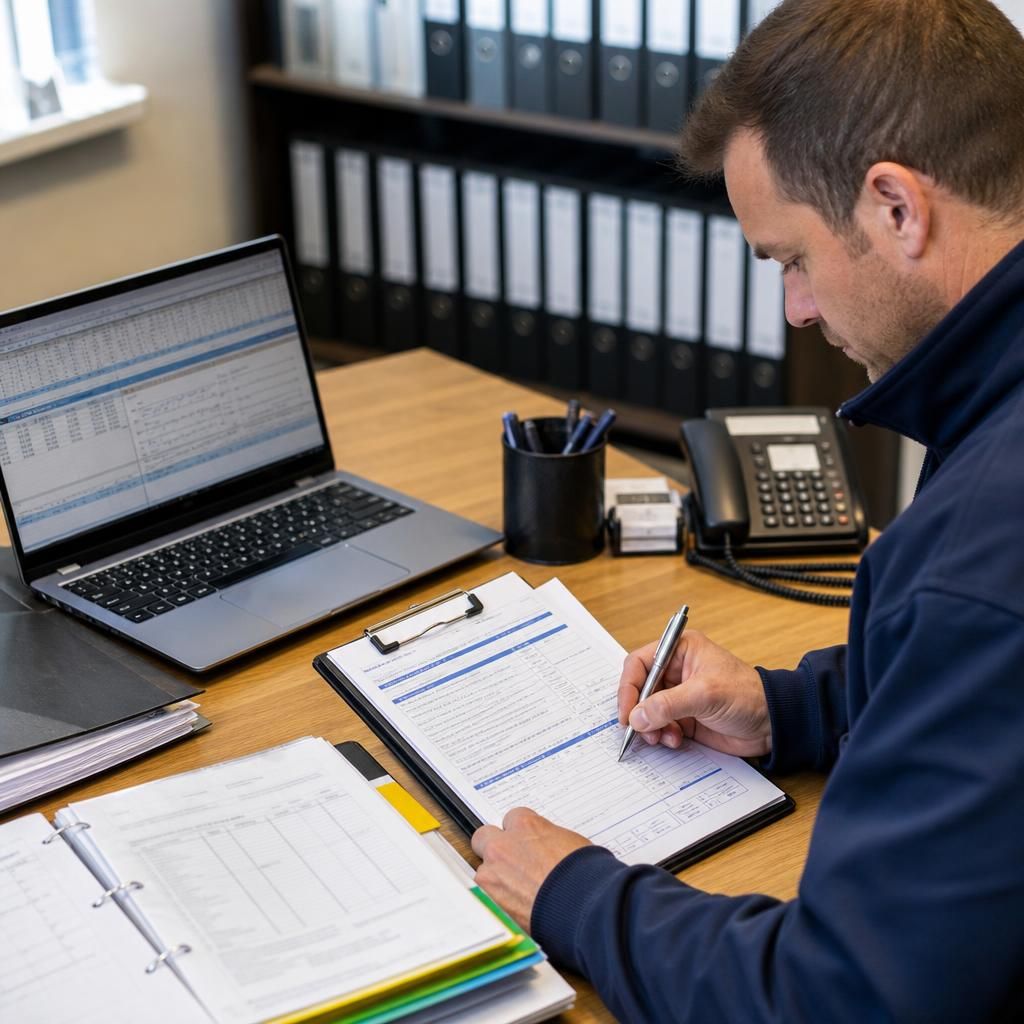
Documented Completion Evidence
Completion records should link the work carried out to the original finding. Useful evidence may include dated work records, inspection notes, updated system information, test results and confirmation that any necessary control has been reinstated.

Post-Remedial Verification
Verification checks whether the corrective action has controlled the identified issue. Depending on the finding, this may involve reviewing monitoring data, examining the affected installation or arranging further testing against the relevant control requirements.

Follow-Through and Review
Remedial actions should remain visible within the wider water safety management system until they are closed and reviewed. Recurring findings may indicate that procedures, responsibilities, training or the underlying risk assessment require further attention.
Questions to Ask Before Appointing a Remedial Provider
Check experience, qualifications and supervision
Request details of relevant training, qualifications and experience with comparable commercial water systems. Clarify whether the people carrying out the work are directly employed or subcontracted, who supervises them and how methods are selected for the identified risk. A competent provider should be able to explain the proposed action in technical terms without relying solely on a standard package.
Use the answers to prepare a written appointment brief covering the known findings, required controls, evidence standards and agreed responsibilities. Before work starts, ensure the provider’s proposal identifies how completion will be judged and how any unresolved issues will be escalated.
This gives the responsible person a clear basis for authorising the work and reviewing the resulting evidence. Blue Fish Water Management can provide pragmatic advice on proportionate remedial actions and the compliance information needed to support ongoing water hygiene management.
Clarify Your Water Hygiene Remedial Requirements
Discuss your findings with Blue Fish Water Management to clarify the remedial requirement, request proportionate advice and explore a tailored quotation or next step without committing to unsuitable work. Send an enquiry with reports, system details and concerns.