
Disinfection for Water Storage Tanks
Disinfecting water storage tanks removes harmful microorganisms after cleaning and helps maintain hygienic water systems. For businesses, the process should be planned around tank condition, water use, system design and documented water hygiene requirements, including legionella control where relevant.
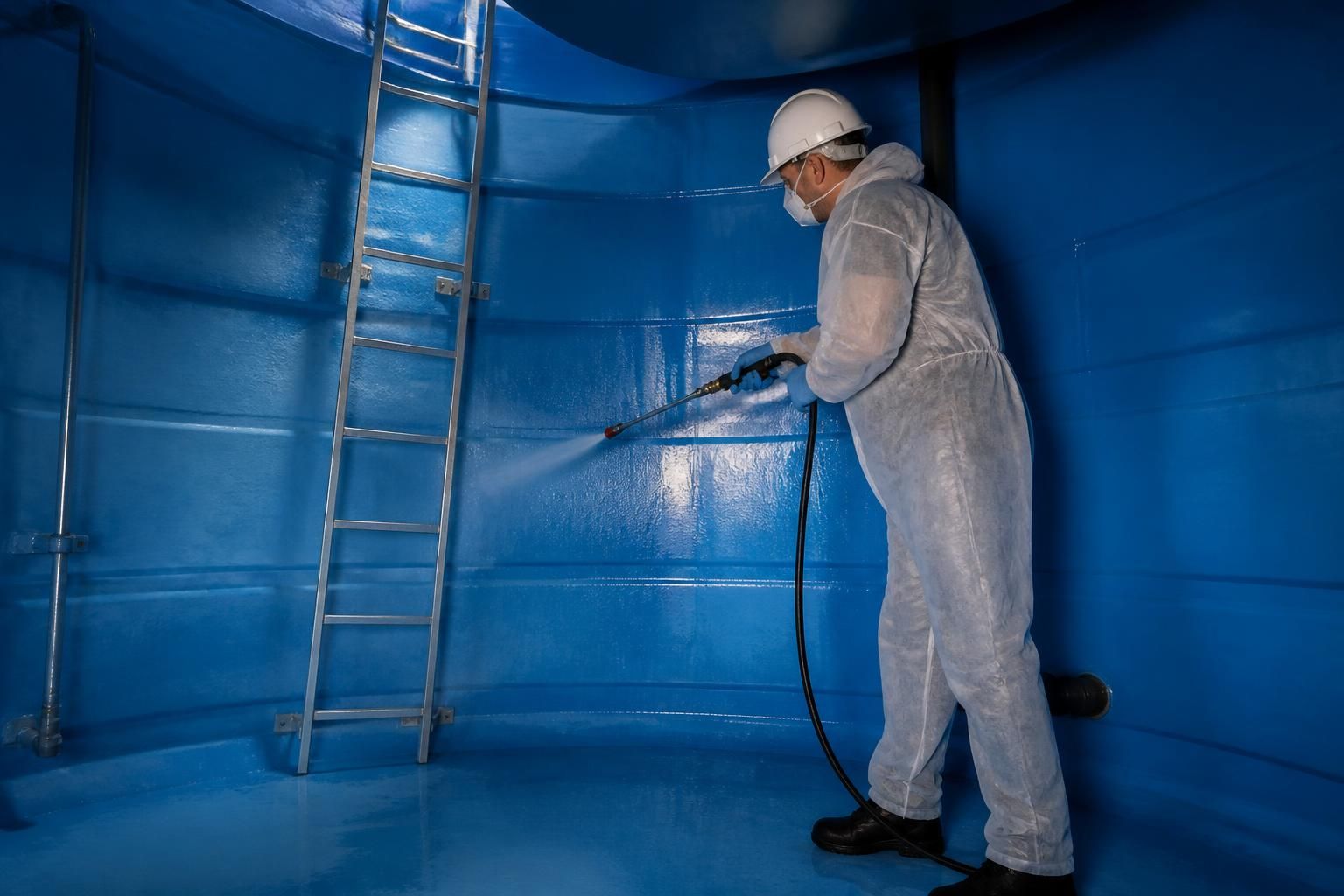
The practical challenges of water tank disinfection
Water storage tank disinfection must account for contamination sources, system isolation, disinfectant selection, contact conditions and safe recommissioning. Poor planning can disrupt operations, leave ineffective treatment, expose workers to chemicals and create gaps in compliance records.
Isolating the tank safely
The tank and connected pipework may need to be isolated before disinfection, but this can affect users, processes and critical water supplies. A suitable plan should identify isolation points, protect against accidental use and establish how the system will be returned to service.
Selecting an appropriate disinfectant
The treatment method must suit the tank materials, system design and intended water use. An unsuitable chemical or concentration can damage components, leave residues or fail to control contamination effectively.
Achieving effective contact conditions
Disinfectant must reach all relevant internal surfaces and remain in contact for the required treatment period. Inaccessible areas, sediment, dead legs and poor circulation can prevent complete treatment even when the tank appears clean.
Managing chemical hazards
Disinfectants can present risks through contact, inhalation, mixing or splashing. Businesses need suitable controls for storage, handling, personal protection, spill response and disposal, with responsibilities understood by everyone involved.
Protecting water quality during recommissioning
The system should be flushed and checked before normal use resumes so that disinfectant and loosened contamination are not distributed to outlets. Recommissioning also requires attention to downstream equipment and any users who may be affected.
Demonstrating that the work was completed
Clear records should show why disinfection was undertaken, which parts of the system were treated, what method was used and what checks followed. These records support water hygiene management and help identify further action if results or system conditions remain unsatisfactory.
Reviewing Your Water Tank Disinfection Requirements
Disinfection for water storage tanks should be considered alongside the tank’s age, construction, inspection history and the way water is used. A GRP water storage tank, for example, may need a different assessment from a metal tank, particularly where the internal surface is damaged, difficult to clean or no longer suitable for the system.
Before arranging treatment, review previous cleaning and testing records, identify any recurring water hygiene findings, and ask whether the tank can be treated effectively or requires repair or replacement. The proportionate action may be disinfection alone, further investigation, remedial work or replacement of the water tank, depending on its condition and the wider system risk.
What should be included?
Check whether the tank is treated on its own or as part of a wider cold-water system. Review inlet and outlet arrangements, linked tanks, dead legs, valves, pumps and accessible sections of pipework. If part of the system cannot be isolated or reached, record the limitation and consider whether additional investigation or remedial work is needed.
Once the tank and wider system have been assessed, agree the treatment scope with a competent water hygiene professional. The plan should set out access arrangements, isolation responsibilities, chemical controls and the evidence required before the tank is returned to service.
Blue Fish Water Management can advise on disinfection alongside the wider water hygiene requirements, helping businesses choose a proportionate course of action and maintain clear records for future review.
Benefits of Effective Water Tank Disinfection
Effective tank disinfection supports hygienic service by combining controlled isolation, suitable treatment and checks before the water system is recommissioned. This helps reduce the risk of residual contamination affecting outlets, occupants or production processes.
Clear records support compliance reviews and maintenance planning. Coordinated access, system controls and post-treatment checks reduce disruption, while observations help businesses manage water hygiene consistently.
Hygienic Water Storage
Effective disinfection helps maintain a cleaner tank environment and supports safer operation of the connected water system.
Traceable Treatment Records
Recording the treatment scope, controls and verification findings gives businesses clear evidence of how disinfection was managed.
Proportionate Decisions
Inspection and disinfection findings help distinguish between routine treatment, remedial work and the need to replace an unsuitable tank.
Better System Coordination
A defined approach aligns tank access, isolation, chemical use and recommissioning checks with the wider system controls.
Stronger Ongoing Control
Using treatment records and inspection observations in future reviews supports more consistent water hygiene management over time.
Questions About Water Storage Tank Disinfection
Who is responsible for approving water storage tank disinfection before the system returns to service?
Competent disinfection should follow a documented method, with treatment parameters, safety controls and verification recorded. Retain treatment records, readings and completion notes so managers can evidence the work to auditors.
Read moreHow much disruption does water storage tank disinfection cause?
Disruption can be limited through planned isolation, temporary storage arrangements and coordination with occupants or production teams. The extent depends on tank access, system configuration, treatment requirements and water demand.
Read moreWhat should businesses look for in a water tank disinfection contractor?
Check that the contractor demonstrates relevant water hygiene competence, suitable risk controls, trained personnel, clear treatment methods, and transparent reporting, including findings, limitations and recommended follow-up work where needed.
Read moreWhen should water storage tanks be disinfected?
Disinfection is appropriate after confirmed contamination, intrusive maintenance, prolonged stagnation, or significant system changes, and when monitoring identifies concern. Risk assessment should determine whether repeat treatment is necessary for safety.
Read moreWhat if a water storage tank cannot be disinfected effectively?
If disinfection is ineffective, stop recommissioning and investigate contamination sources, tank condition and system design. Further cleaning, repairs, relining or replacement may be necessary before verified treatment and safe return.
Read moreDiscuss Your Tank Disinfection Requirements
If you need to clarify whether disinfection is appropriate for your water storage tank, discuss the system with Blue Fish Water Management. The team can review your circumstances and outline suitable next steps for professional advice.