
Commercial Legionella Risk Assessment
A commercial legionella risk assessment examines how an organisation’s water systems could expose people to Legionella bacteria. It identifies hazards, evaluates existing controls and sets out proportionate actions to support compliance across workplaces, premises and managed facilities throughout the UK.
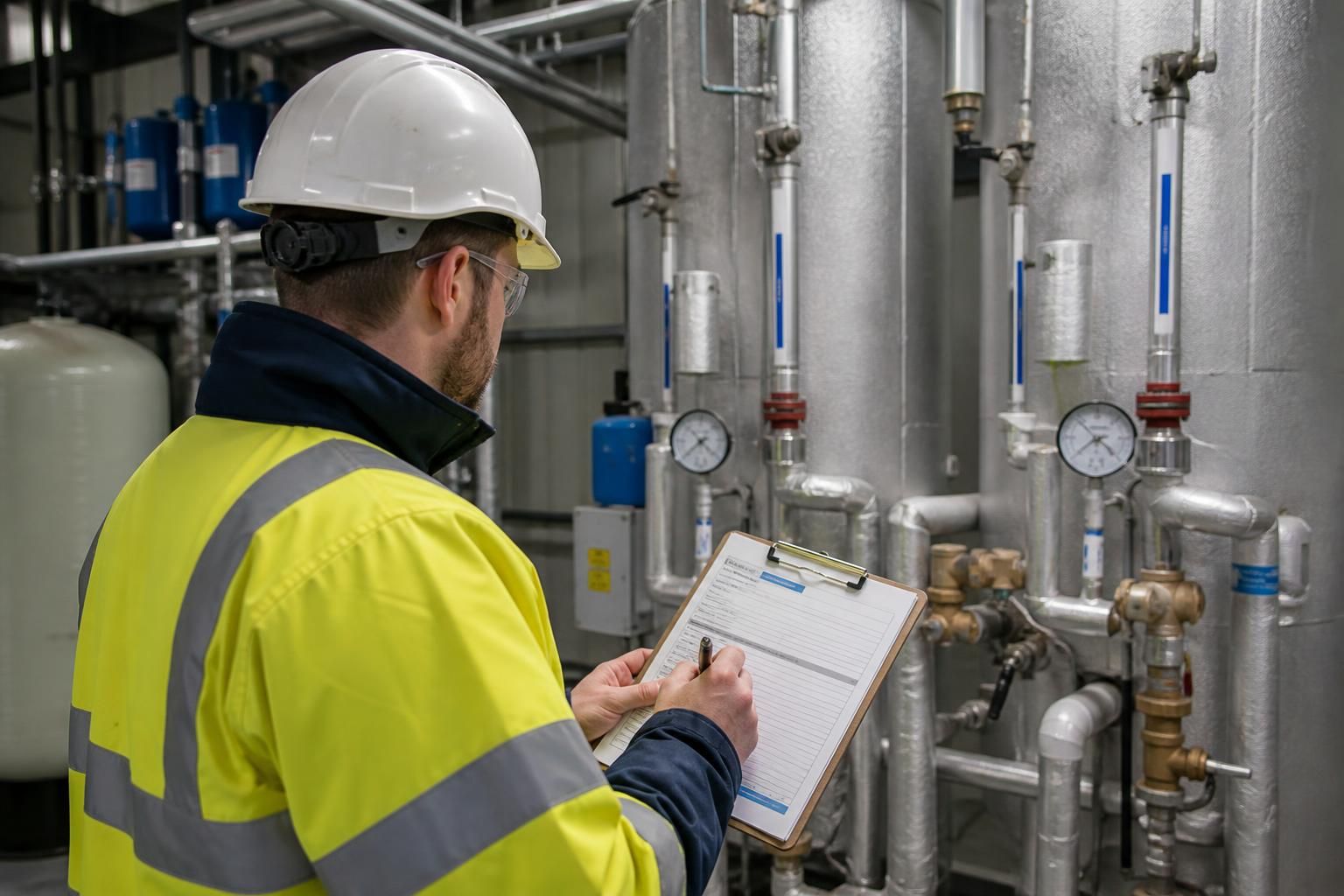
Technical Expertise and Regulatory Understanding
A commercial legionella risk assessment is the documented basis for managing Legionella risks in a non-domestic water system. It considers how the system is designed, used and maintained, including storage, distribution, outlets, temperature control and periods of low or irregular use.
Blue Fish Water Management applies practical technical judgement when reviewing system records, asset information, inspection findings and existing control measures. The assessment distinguishes significant risks from routine maintenance issues, identifies responsible duties and sets out proportionate actions rather than relying on generic recommendations.
The findings can be aligned with the duties described in the Health and Safety Executive’s Approved Code of Practice L8 and HSG274 guidance. Clear documentation supports the responsible person with ongoing monitoring, remedial work, staff awareness, review arrangements and evidence that legionella control is being managed as part of the organisation’s wider health and safety responsibilities.
From System Review to Practical Next Steps
Each assessment follows a defined sequence: first clarify the premises, occupants and system arrangements; then review available information, inspect relevant components, record findings, explain control implications and agree any proportionate actions requiring further attention.
- 1
Confirm the Assessment Scope
The process begins by confirming the premises covered, how the building is occupied and which water systems, areas and responsible duties fall within the assessment. This establishes a clear boundary for the work and prevents relevant parts of the system being overlooked.
- 2
Review Existing Information
Available drawings, asset registers, schematics, temperature records, maintenance logs, previous assessments and incident information are reviewed before the site inspection. These records help identify changes, gaps in evidence and areas requiring closer examination.
- 3
Inspect the Water System
Relevant storage tanks, calorifiers, distribution pipework, outlets, showers, thermostatic mixing arrangements and seldom-used sections are examined in their operational context. Observations are recorded alongside information about access, use, condition and management arrangements.
- 4
Evaluate Existing Controls
The assessment considers whether precautions such as temperature management, flushing, cleaning, disinfection, monitoring and maintenance are suitable for the system and its users. Control weaknesses are distinguished from hazards that require more immediate attention.
- 5
Document the Findings
The completed report records the systems reviewed, evidence considered, significant findings, areas of uncertainty and the control measures in place. Responsibilities and supporting observations are set out clearly so the organisation can use the document as part of its water safety records.
- 6
Set Out Proportionate Actions
Where improvements are needed, the report identifies practical remedial or management actions and explains the risk each one addresses. It can also indicate matters for follow-up monitoring, further investigation, staff instruction or reassessment when system conditions change.
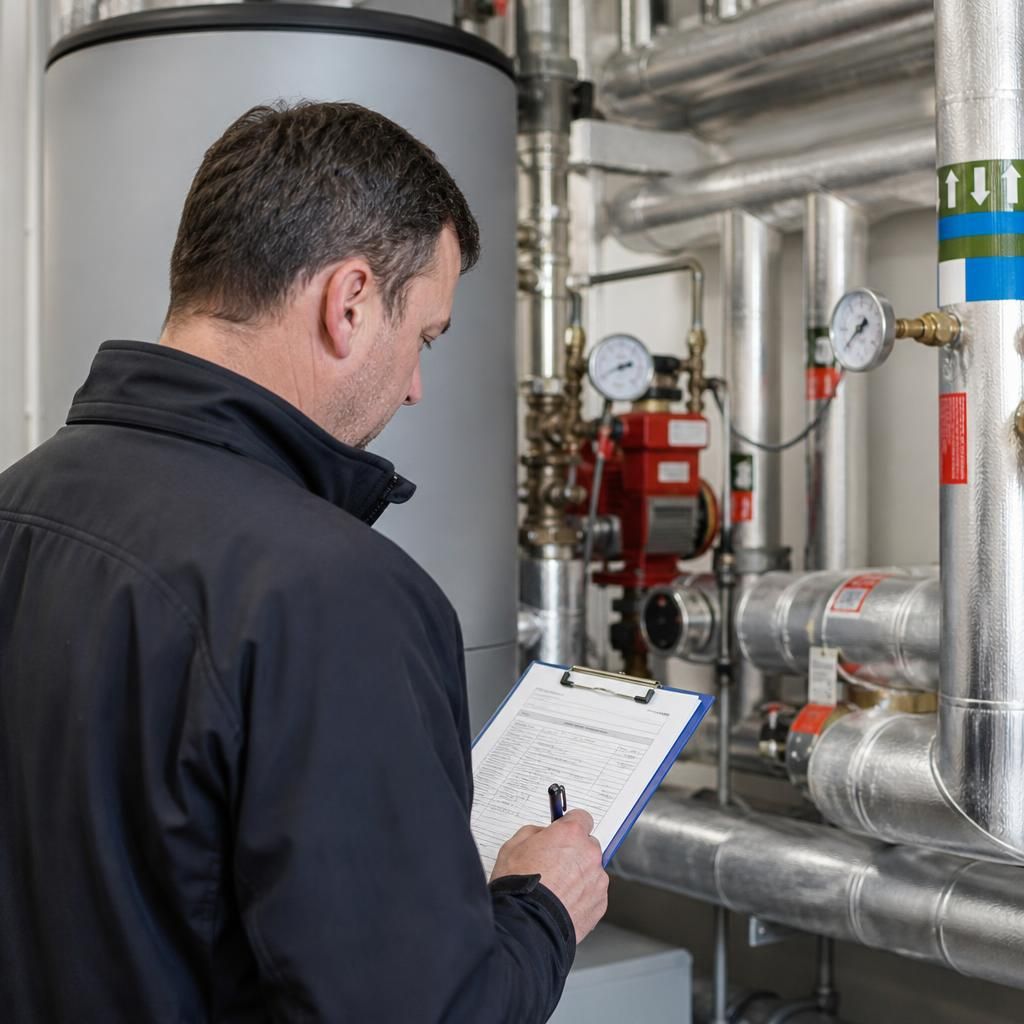
Clear Evidence, Reporting and Technical Findings
The completed commercial legionella risk assessment should provide an auditable record of what was examined, where observations were made and how conclusions were reached. It should identify the relevant water assets, their condition, foreseeable exposure routes and any limitations affecting the assessment.
Technical findings should separate confirmed deficiencies from information requiring verification. Evidence may include asset details, temperature observations, schematic or record checks, inspection notes and photographs where useful. Each finding should explain its significance rather than simply listing faults.
Reporting should translate those findings into clear actions, with priorities, ownership and review points that the responsible person can track. Where specialist remedial work, further monitoring or additional information is needed, this should be stated explicitly. The finished document can then support management decisions and demonstrate a reasoned approach to legionella control.
Commercial Legionella Risk Assessment: Common Questions
Is a commercial legionella risk assessment suitable for every type of workplace?
An assessment can usually be carried out with proportionate access to relevant areas, while staff continue normal duties; restrictions, intrusive checks or follow-up requirements should be agreed with contacts beforehand.
Read moreWhat happens if a commercial legionella risk assessment identifies control deficiencies?
Findings should lead to prioritised corrective actions, such as temperature control, cleaning, removing dead legs or repairing defective components. The responsible person should assign ownership, record completion and review risk.
Read moreWhat information is needed before a commercial legionella risk assessment?
Useful information includes water-system schematics, asset registers, maintenance records, temperature logs, cleaning and disinfection certificates, previous reports, occupancy details, and procedures for monitoring, sampling, and managing identified risks or incidents.
Read moreHow long does a commercial legionella risk assessment take?
Timescales depend on premises size, system complexity, access arrangements and available records. The assessor should confirm the expected duration beforehand, allowing sufficient time for inspection and discussion of relevant findings.
Read moreWhich standards guide a commercial legionella risk assessment?
The assessment is typically informed by HSE’s ACOP L8 and HSG274, alongside relevant health and safety duties, industry guidance, documented risk controls and operational arrangements on site.
Read morePractical Expertise
Practical advice and consistent delivery help organisations manage commercial Legionella risks across varied property types, systems and locations with clarity.
Discuss Your Commercial Legionella Risk Assessment Requirements
Discuss your commercial legionella risk assessment requirements with the Blue Fish team to clarify the appropriate scope for your premises and identify the next practical step for your organisation’s water safety management needs.