
Water Chlorination for Safe, Compliant Systems
Water chlorination services use controlled chlorine dosing to disinfect tanks, systems and pipework. They help commercial and industrial organisations manage microbial risks, including legionella, verify treatment through testing, and maintain documented water safety controls.
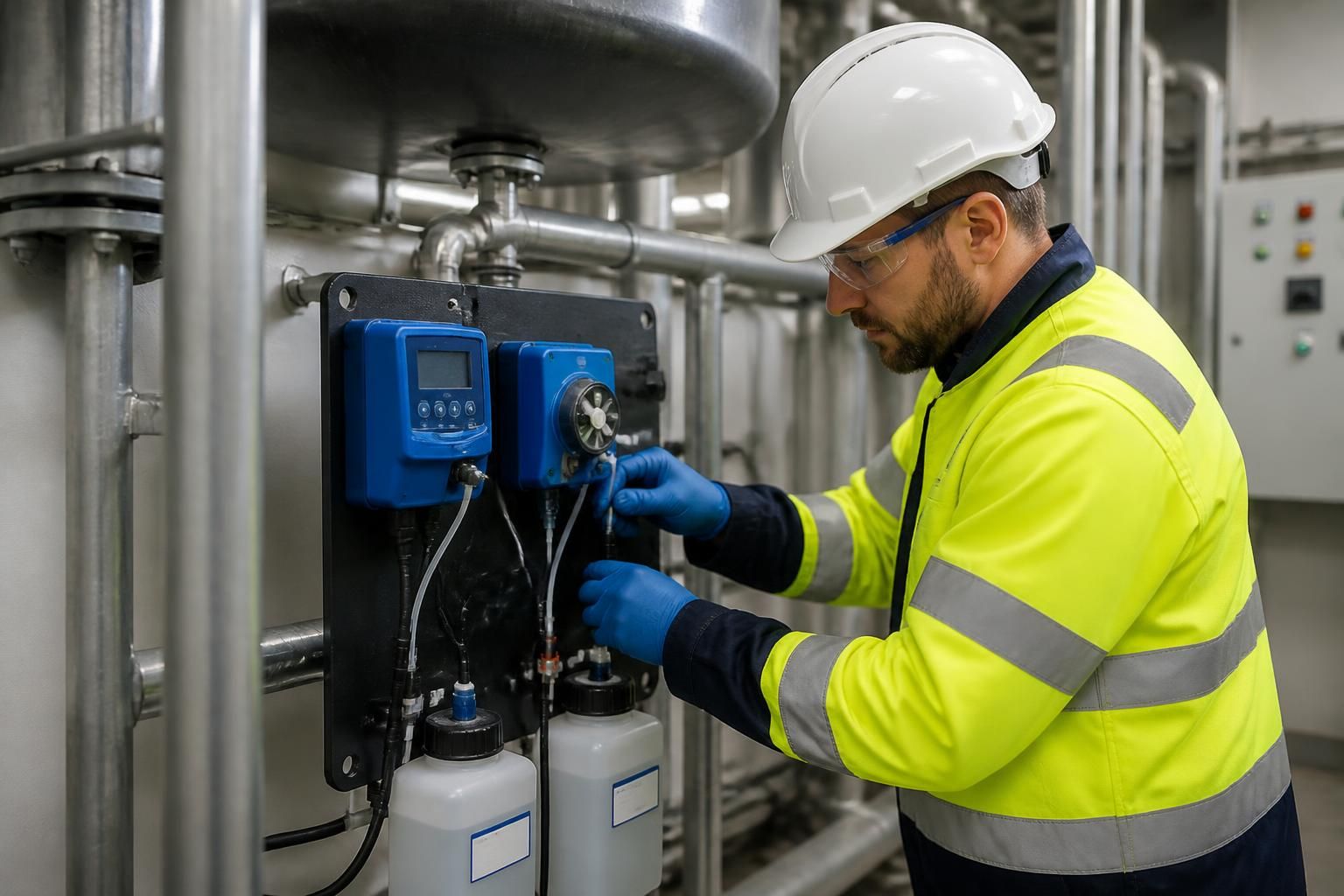
Water Chlorination Options Compared
Water chlorination can range from targeted disinfection of individual components to wider treatment of interconnected systems. Comparing the method, assessment requirements, testing arrangements and follow-up helps organisations select an approach suited to their water system, risk profile and compliance duties.
Targeted Component Chlorination
A focused treatment for individual tanks, branches, outlets or sections of pipework where contamination is localised or access to the full system is impractical. It normally requires defined isolation, pre-treatment assessment and targeted verification testing before the component is returned to service.
Storage Tank and Associated Pipework Disinfection
This approach treats a cold-water storage tank together with its connected distribution pipework. It is suited to systems where inspection identifies contamination, stagnation or hygiene concerns around stored water, with follow-up sampling used to check that the treatment objective has been met.
Whole-System Shock Chlorination
Whole-system chlorination applies disinfection across an interconnected water system rather than a single asset. It may be appropriate after significant system alterations, identified microbial contamination or a wider control failure, but requires careful planning, isolation of affected users and documented testing before normal operation resumes.
Continuous Chlorination
Continuous dosing maintains a controlled disinfectant residual as water moves through a system. It can suit systems with persistent microbial risk or conditions that make one-off disinfection insufficient, but involves ongoing monitoring, dosing control, maintenance and records rather than a single treatment visit.
Recommissioning and Remedial Chlorination
Recommissioning treatment supports systems that have been altered, extended, unused or subject to remedial work. The scope is determined by the system condition and risk assessment, with chlorination followed by flushing, sampling and compliance documentation to support a controlled return to service.
What Water Chlorination Services Include
Practical delivery involves coordinating site access, protecting users and assets, preparing the system, applying treatment safely, and returning it to service in a controlled manner. Clear records then support verification, future maintenance and communication between responsible parties.
System Review and Treatment Planning
The system is reviewed before work begins to identify tanks, pipework, outlets, storage arrangements and relevant control points. This supports a treatment plan suited to the installation and its operational requirements.
Risk Controls and Site Protection
Chlorination requires controls for chemical handling, water use, access and potential exposure. Appropriate isolation and communication measures help protect building users, contractors, equipment and connected services.
Controlled Chlorine Application
Chlorine is introduced at a controlled concentration and circulated through the relevant parts of the system. The treatment approach is adjusted to the system layout, condition and identified microbial risk.
Flushing and System Recovery
Following treatment, affected outlets and pipework are flushed in a controlled sequence. Residual chlorine levels and water quality are checked before the system is returned to normal use.
Testing and Verification
Sampling and measurements provide evidence that the treatment has been applied and completed appropriately. Where required, UKAS-accredited water testing can support documented verification of the results.
Completion Records and Recommendations
Treatment details, test results, observations and any follow-up recommendations are recorded for the responsible person. These records can support compliance audits, future monitoring and planned remedial work.
Questions About Water Chlorination Support
Does my water system need chlorination?
Suitability depends on system design, stored water, usage, previous findings and dutyholder responsibilities. A provider should scope treatment accordingly, explain limitations, and align verification with the site's documented compliance requirements.
Read moreHow should water chlorination be planned for a commercial system?
Planning should define system boundaries, isolation points, discharge arrangements, chlorine dosing method, contact conditions, safety controls, responsibilities, and post-treatment sampling before work begins. It should identify users, records, review arrangements.
Read moreShould water chlorination be repeated after system alterations?
Yes, alterations can warrant repeat chlorination, particularly when pipework, tanks, components or dead legs are introduced. Reassess contamination risk, define affected boundaries, and verify results through appropriate, documented post-treatment testing.
Read moreWhat documentation should follow water chlorination treatment?
Records should identify treated systems, treatment method, dates, responsible personnel, safety controls, contact conditions, discharge arrangements, laboratory results, nonconformities and corrective actions, creating an auditable basis for compliance decisions and subsequent review.
Read moreWhat level of water chlorination support does a site need?
The appropriate level ranges from defined treatment instructions to full project coordination, including isolation, dosing, safety controls, sampling, interpretation and remedial guidance where system complexity or risk demands greater oversight.
Read moreWhat to Confirm Before Water Chlorination
Before commissioning water chlorination services, establish exactly which tanks, outlets, pipework and connected assets fall within the treatment scope, and how the work relates to the system’s existing risk assessment. Ask who will supervise the process, what relevant competence they hold, and whether the proposed method is suitable for the system and its users.
Confirm what evidence will be supplied, including treatment details, test results, limitations and any corrective actions. The provider should also explain the anticipated programme, responsibilities after treatment, arrangements for reviewing results, and what ongoing monitoring or repeat disinfection may be required.
Check the assets, interfaces and exclusions
Request a clear schedule covering storage tanks, distribution pipework, outlets, secondary systems and connected assets where applicable. The provider should explain how isolations, dead legs, inaccessible sections and shared services will be handled, together with any exclusions that could affect the effectiveness of the work. Confirm who will arrange access and who must approve changes to the planned scope.
A suitable provider should answer these questions in terms of your actual water system, rather than relying solely on a generic method statement. If the proposed treatment, sampling arrangements or responsibilities remain unclear, resolve those points before approving the work.
Once the approach is agreed, retain the supporting information with your water safety records and use the findings to inform any required changes to the system’s wider control measures. This creates a clear basis for reviewing the treatment and deciding what action, if any, is needed next.
Discuss Your Water Chlorination Requirements
Discuss your water chlorination requirements with Blue Fish Water Management to clarify the treatment objective, system considerations and evidence needed. Receive practical advice on the most suitable next step for managing water hygiene and legionella risks.