
Hot Water Systems & Legionella Testing
Hot water systems testing examines cylinders, heaters, storage and distribution temperatures to identify conditions that may support Legionella. Blue Fish Water Management provides testing nationally and practical compliance advice, helping organisations choose monitoring, maintenance or remedial options for their premises.
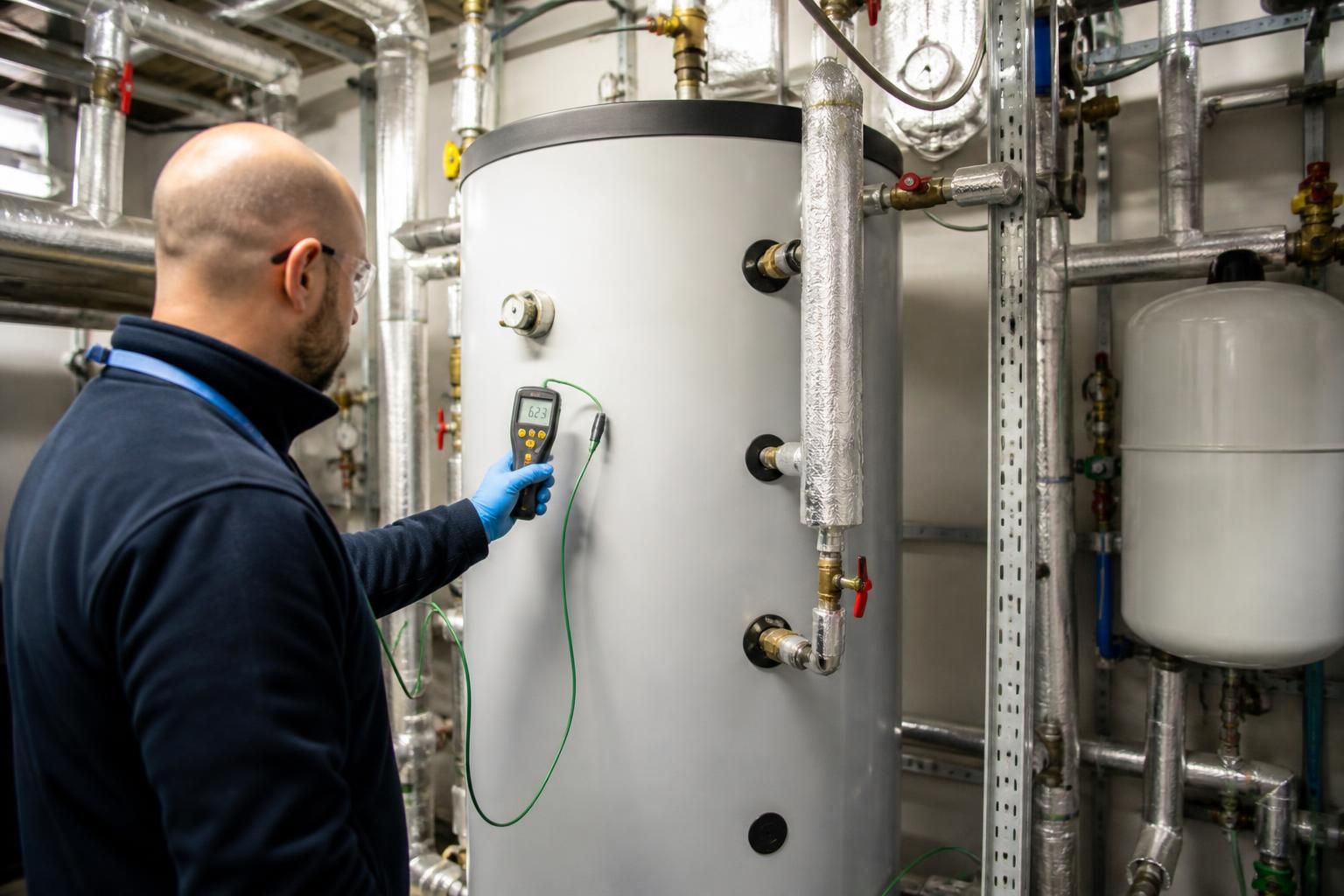
Which Hot Water Testing Approach Is Right for Your System?
What hot water testing approach best fits your system’s compliance requirements?
Routine temperature checks suit established systems needing documented control. Specialist investigation fits unstable or poorly performing equipment; sampling and remedial planning suit risk, larger scale, urgent timescales, or constrained budgets.
Read moreWhat distinguishes routine checks from specialist hot water system investigation?
Routine checks produce regular temperature records against defined control points. Specialist investigations analyse persistent deviations, plant design and operational causes, then inform proportionate corrective action, sampling, or revised monitoring requirements.
Read moreWhat should organisations compare when selecting hot water system testing?
Compare scope, measurement points, access requirements, reporting detail and follow-up. Basic checks suit straightforward installations; diagnostic assessments are more appropriate for complex plant, recurring faults and major system modifications.
Read moreHow does system condition affect the choice of hot water testing approach?
Equipment condition determines whether routine checks remain suitable or a diagnostic assessment is needed. Corrosion, leaks, scale and unreliable heating may require inspection, corrective work, sampling and closer temperature control.
Read moreHow do testing needs differ between stored and instantaneous hot water systems?
Stored systems require cylinder storage temperature and recovery assessment; instantaneous systems focus on outlet performance, flow, and residual warm-water conditions, with monitoring tailored to design, demand, risk and usage patterns.
Read morePractical, Tailored Hot Water System Testing for Organisations
Blue Fish Water Management assesses hot water arrangements in their operational context, combining sector knowledge with pragmatic advice. Recommendations are tailored to each organisation’s risks, responsibilities and existing controls, supporting informed maintenance and compliance decisions over the long term.
Testing That Reflects the System
Hot water cylinders, heaters, storage arrangements and distribution temperatures are considered together, rather than assessed as isolated components. This provides a more useful picture of how the system operates and where temperature control may need attention.
Pragmatic Interpretation
Findings are explained in practical terms, linking temperature readings and observed conditions to relevant control measures. This helps responsible organisations distinguish between routine monitoring, maintenance requirements and issues requiring further investigation.
Sector-Aware Assessment
Recommendations take account of the organisation’s activities, premises, system use and operational responsibilities. Experience across domestic, industrial and commercial settings supports advice that is relevant to the way each hot water system is managed.
Recommendations Matched to Risk
There is no single testing approach that suits every cylinder or heater installation. Blue Fish Water Management adapts the scope of assessment and subsequent recommendations to the system’s configuration, risks and existing controls.
Consistent Long-Term Support
Hot water testing is considered as part of an organisation’s wider water hygiene arrangements, helping maintain continuity between assessment findings, monitoring records and future compliance decisions.
What Hot Water System Testing Covers
Hot water systems testing involves structured checks of system temperatures, controls, outlets and circulation performance, using suitable instruments and consistent recording methods. The assessment can highlight uneven heating, inadequate circulation, faulty controls or other conditions requiring investigation within a cylinder or heater arrangement.
Clients receive a clear record of observations and readings, with identified exceptions separated from recommended actions. Where follow-through is needed, findings can inform monitoring schedules, maintenance decisions, remedial works and evidence for water safety compliance records.
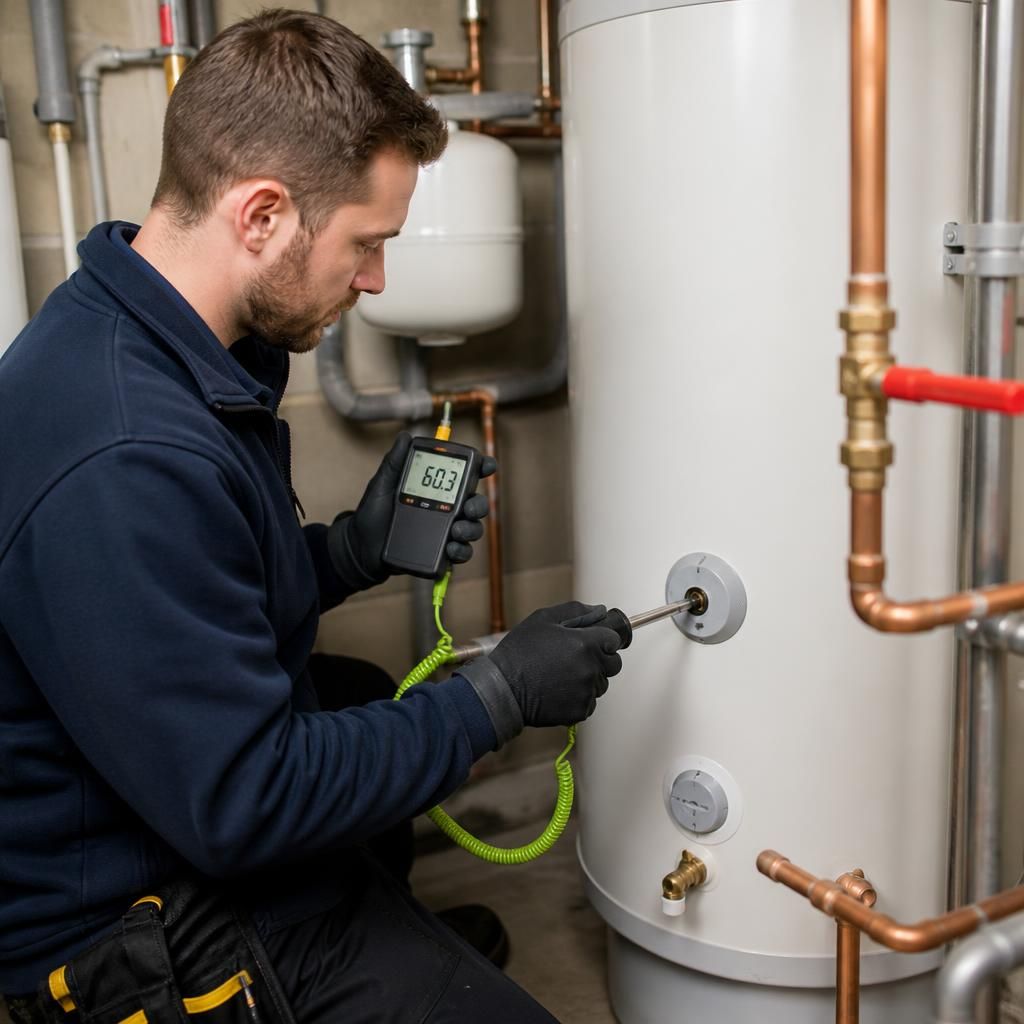
Cylinder and heater assessment
The assessment considers the arrangement and operating condition of cylinders, heaters, thermostatic controls and associated pipework. This helps establish whether the system is configured to support consistent hot water storage and distribution.
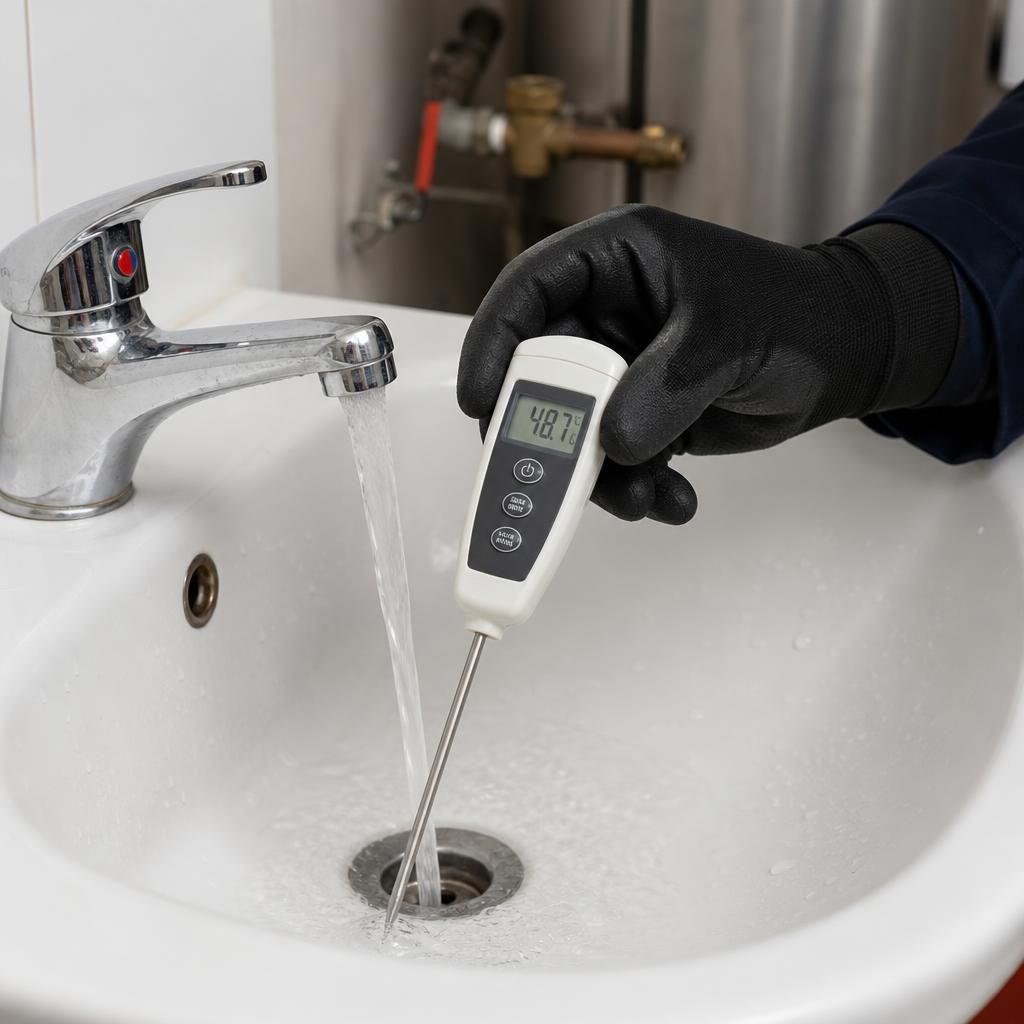
Recorded temperature checks
Temperature readings are taken at relevant points, including storage vessels, flow and return connections, and representative outlets where applicable. Readings are recorded with enough context to support later review and comparison.
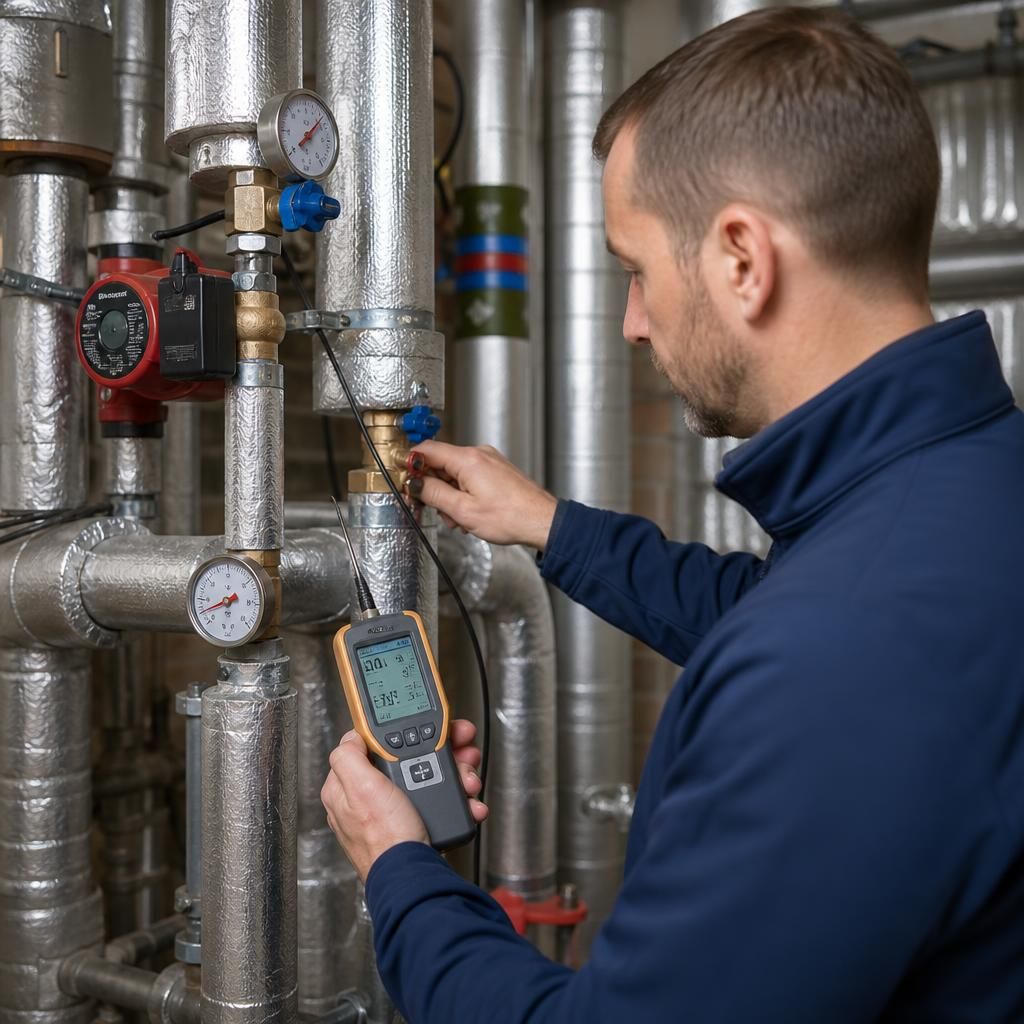
Circulation and distribution review
Checks examine whether hot water is circulating effectively through the system and reaching connected outlets. Differences between parts of the system can indicate restrictions, balancing issues, dead legs or areas requiring further technical investigation.
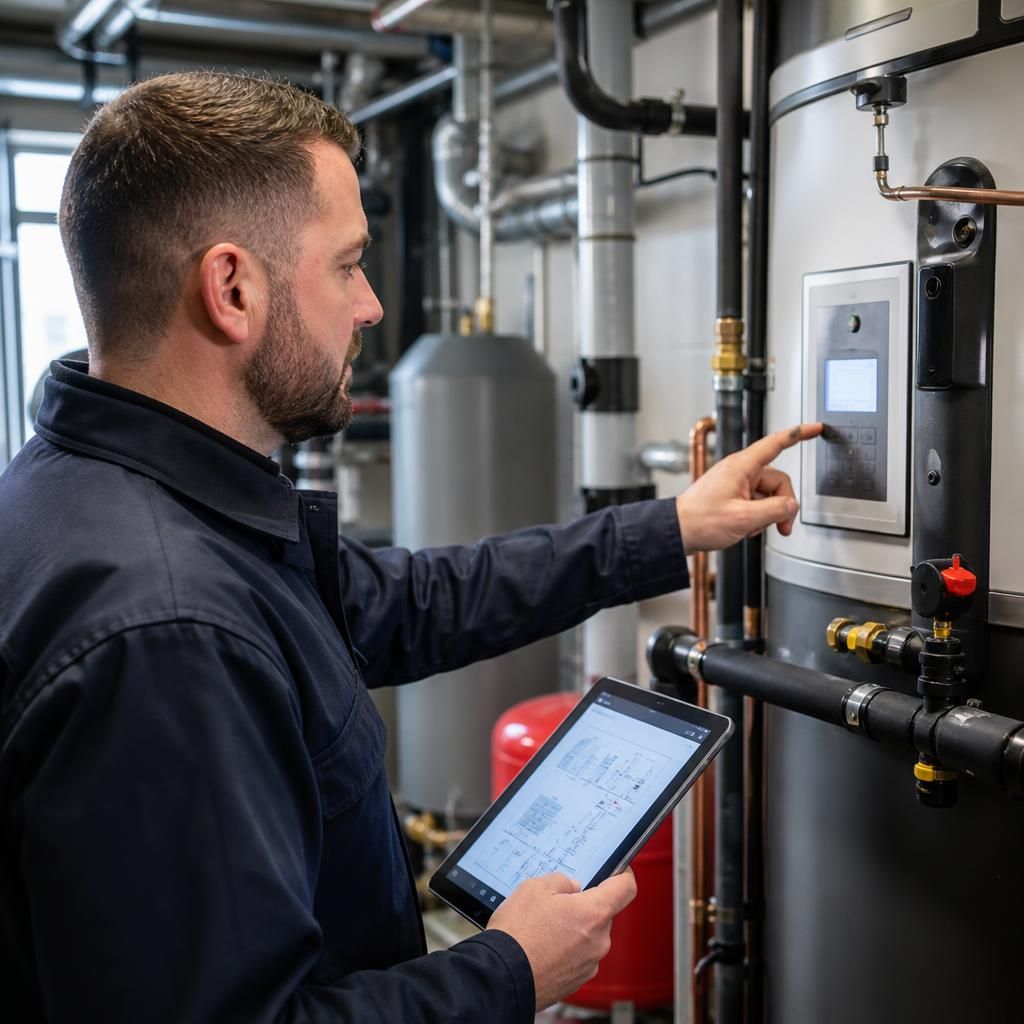
Controls and operating conditions
Control settings, sensors, heating operation and other relevant operating conditions are reviewed alongside the temperature results. This separates an isolated reading from a possible control or system-management issue.
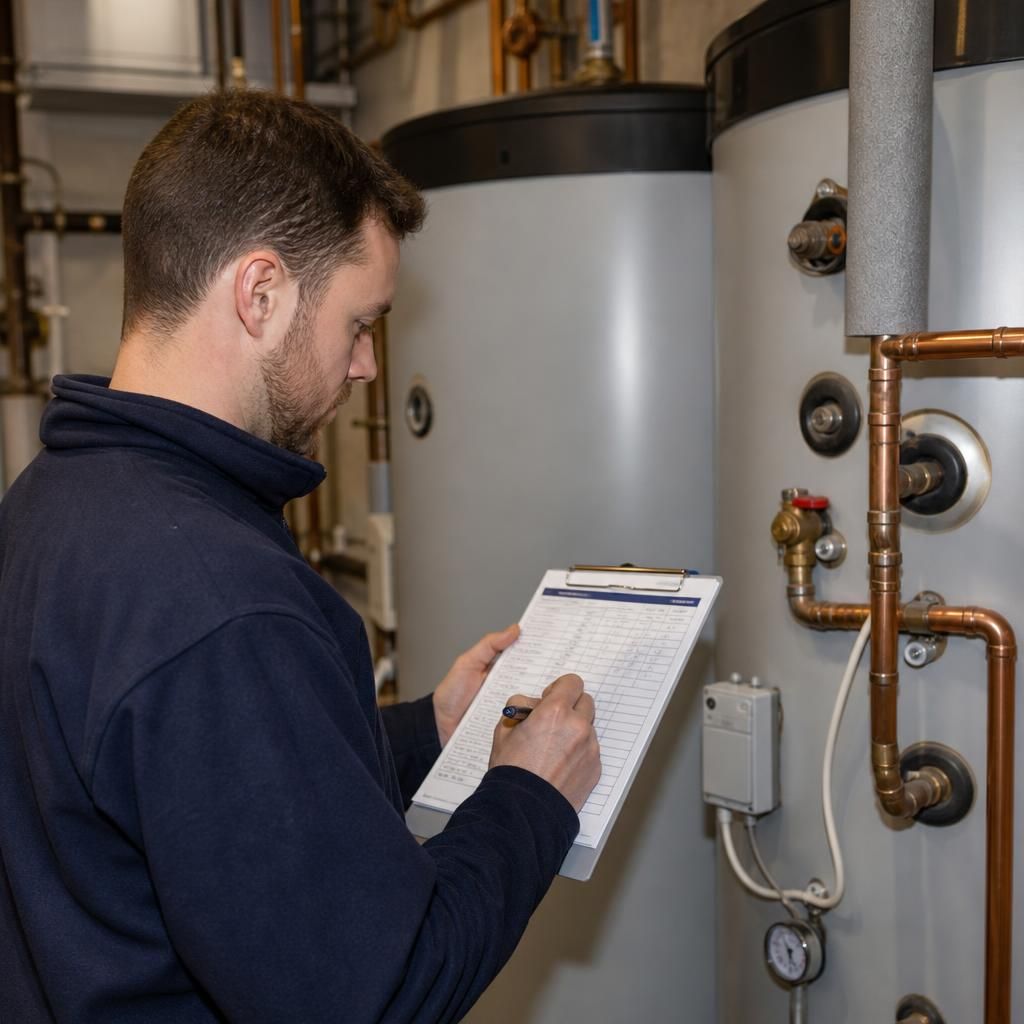
Clear findings and exceptions
The resulting record identifies the locations checked, readings obtained and any exceptions requiring attention. Observations are kept distinct from recommended actions so that responsible teams can understand what was found and why further work may be appropriate.
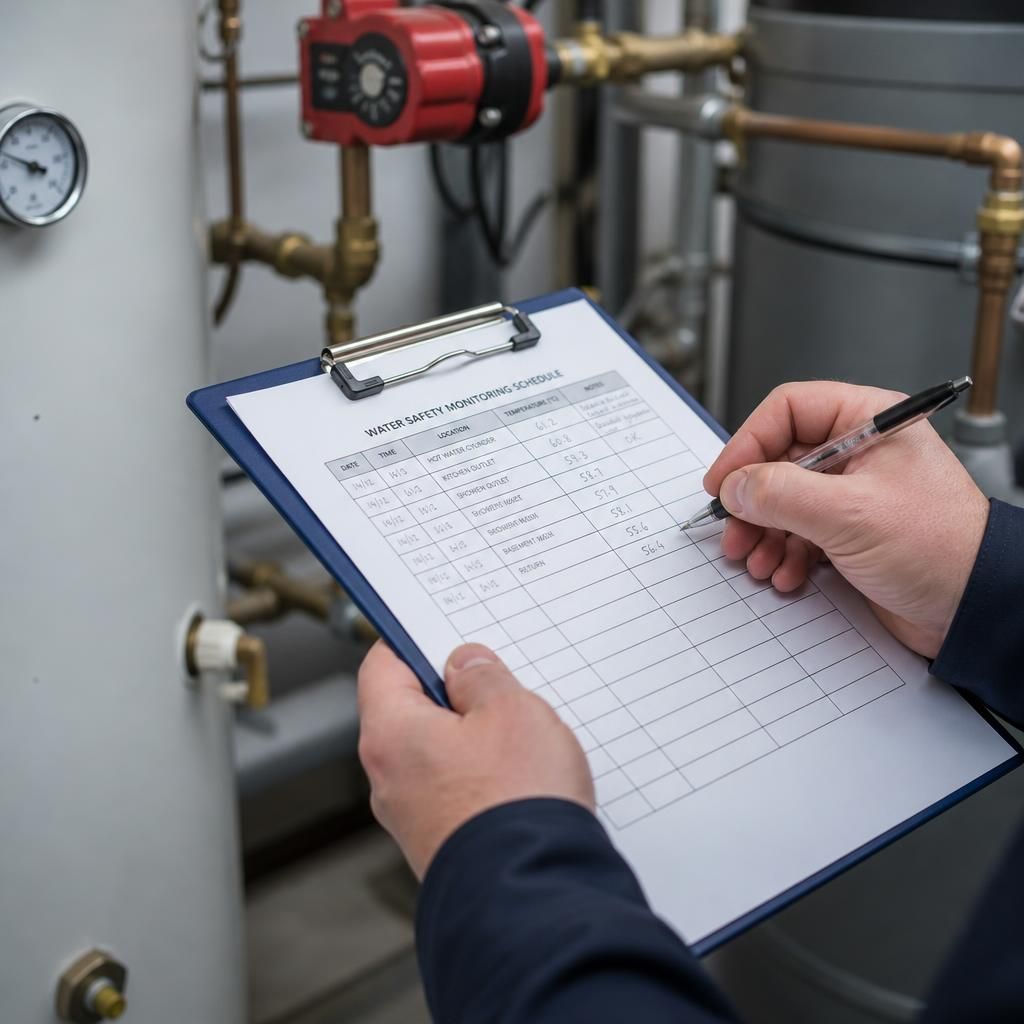
Practical compliance follow-through
Findings can be used to refine hot water monitoring schedules, support maintenance planning and inform remedial decisions. The documented results also provide relevant evidence for wider water safety compliance records.
Questions to Ask Before Appointing a Hot Water Systems Testing Provider
Checking technical competence
Request details of the assessor’s relevant training, experience with comparable systems and familiarity with the organisation’s water safety responsibilities. Establish whether the work is carried out using documented procedures and calibrated instruments, and whether any specialist findings will be reviewed by a suitably competent person before the report is issued.
Before commissioning the work, gather available system schematics, asset details, previous temperature records, maintenance information and any known issues. This gives the assessor useful context and helps ensure the cylinders, heaters, outlets and associated controls are considered in relation to the wider water system.
After the assessment, use the findings to agree which actions are required, who is responsible for completing them and how completion will be documented. Keeping the test results, decisions and subsequent records together provides a clear basis for ongoing water safety management.
Discuss Your Hot Water Systems Testing Requirements
Contact Blue Fish Water Management to clarify your cylinder or heater testing requirements. We can discuss the scope, explain proportionate options and prepare a tailored quotation or suitable next step, without committing you to an unsuitable solution. Send your enquiry.