
Water Sampling & Chain of Custody
Water sampling is the planned collection of representative samples for laboratory analysis and traceability. Blue Fish provides practical UK-wide support to help you choose suitable sampling, testing and chain-of-custody arrangements for your system. Explore the options below.
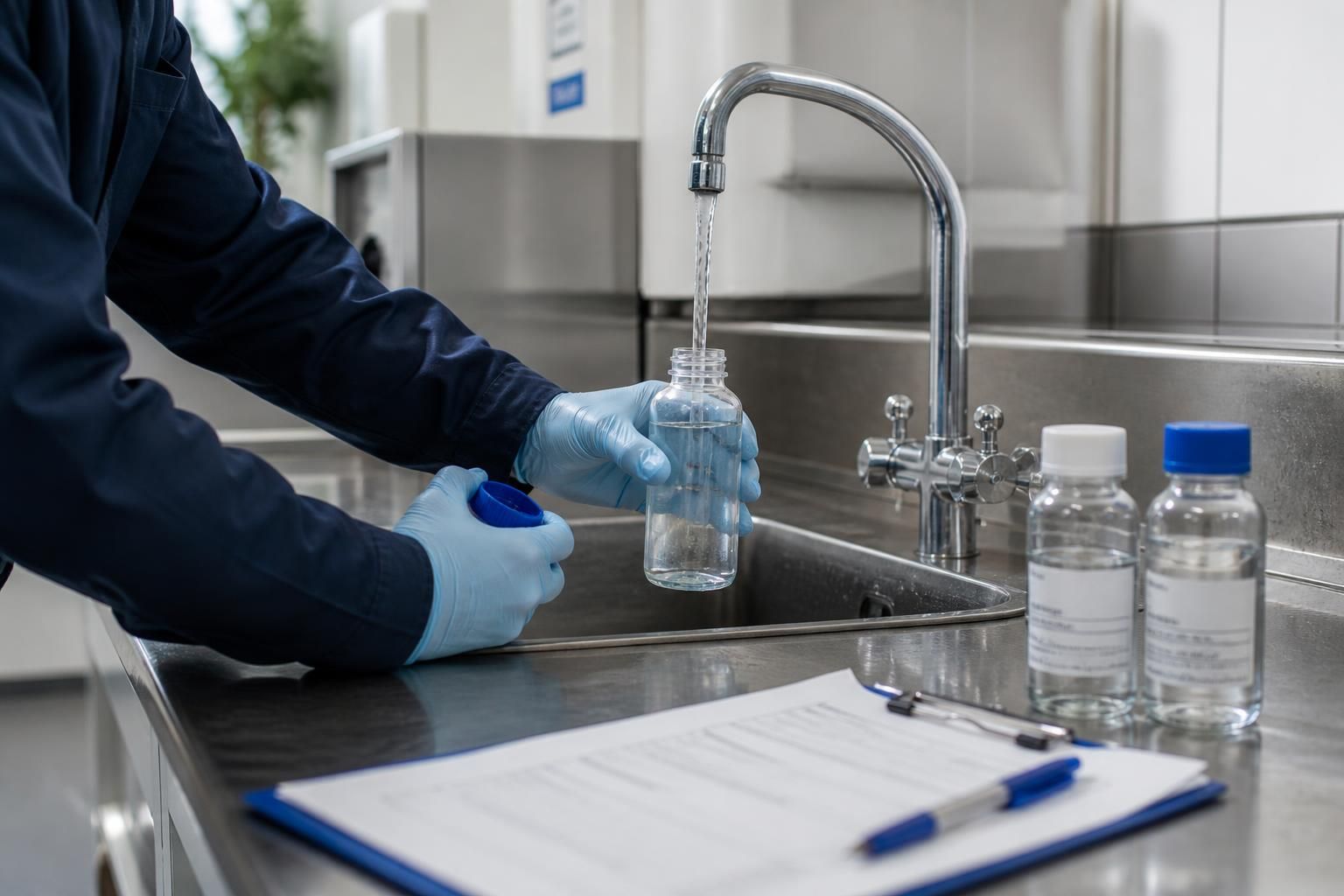
Which Water Sampling Approach Is Right for Your System?
Which water sampling approach best suits your system?
Choose sampling locations and frequency according to compliance requirements, system condition and scale. Use planned laboratory testing for defensible evidence; balance turnaround needs and budget against risk and operational priorities.
Read moreWhat is the difference between planned and investigative water sampling?
Planned sampling supports routine compliance evidence and trend review, whereas investigative sampling targets an unexpected result, suspected contamination or system change. Choice depends on risk, condition, scale, timescale and budget.
Read moreWhat does chain of custody add to legionella water sampling?
A chain of custody records who collected, handled, transported and received each water sample. This documented trail links laboratory results to specific locations, dates and sampling conditions, strengthening compliance evidence.
Read moreWhich water sampling methods suit different system sizes and conditions?
Small systems may suit targeted manual sampling; larger or complex systems need mapped locations and coordinated collection. Deteriorated, high-risk or changing systems warrant coverage, guided by compliance, timescale and budget.
Read moreWhat should you compare when selecting a water sample lab?
Compare a laboratory’s accreditation scope, analytical methods, reporting, sample acceptance criteria, chain-of-custody controls and competence for analysis. Check turnaround, cost and interpretation support against compliance needs, risk and budget.
Read moreWhy Choose Blue Fish for Water Sampling and Chain of Custody
Blue Fish combines pragmatic guidance with recommendations suited to each organisation’s water systems, premises and responsibilities. Experience across sectors supports proportionate sampling decisions, while consistent communication helps build long-term working relationships and maintain clear arrangements for ongoing water hygiene management.
Sampling Based on the System
Blue Fish considers the water system, its use and relevant risk factors when advising on sample locations and testing requirements. This helps organisations avoid generic sampling schedules that may not reflect their actual responsibilities.
Documented Chain of Custody
Accurate records link each sample to its location, collection details and handling history. Blue Fish helps establish clear procedures so information remains traceable from collection through laboratory submission and reporting.
Results Placed in Context
Laboratory results require interpretation alongside sampling conditions, system controls and previous findings. Blue Fish provides practical guidance to help clients understand what results indicate and whether further investigation or action should be considered.
Relevant Sector Understanding
Sampling considerations vary between domestic, commercial and industrial premises. Blue Fish draws on experience across these environments to keep recommendations proportionate to the system and the organisation managing it.
What a Managed Water Sampling Programme Provides
Professional water sampling records where a water sample came from, when it was collected, what was tested and how it was handled before analysis. Correct sample identification, suitable containers, preservation requirements and documented transfer help protect the integrity of legionella water sampling and support defensible laboratory findings.
A managed engagement can provide completed sampling records, chain-of-custody documentation, UKAS-accredited laboratory analysis and results linked to the relevant water system or outlet. Findings can then be reviewed alongside monitoring records to identify appropriate follow-up, such as further investigation, remedial action or changes to the water hygiene programme.
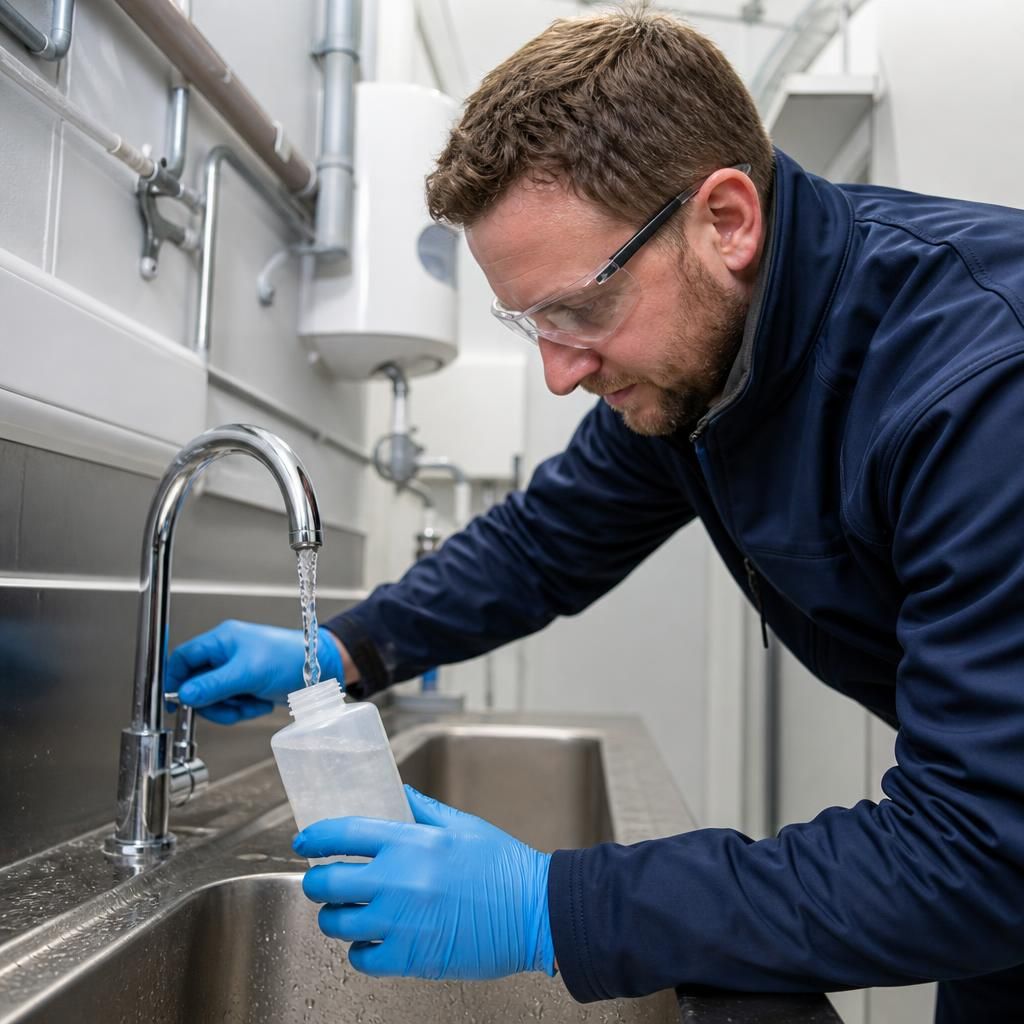
Planned Sampling Scope
Sampling can be structured around the water system, risk profile and purpose of the investigation. Identifying relevant outlets and sampling points helps produce results that are meaningful for the system being assessed.
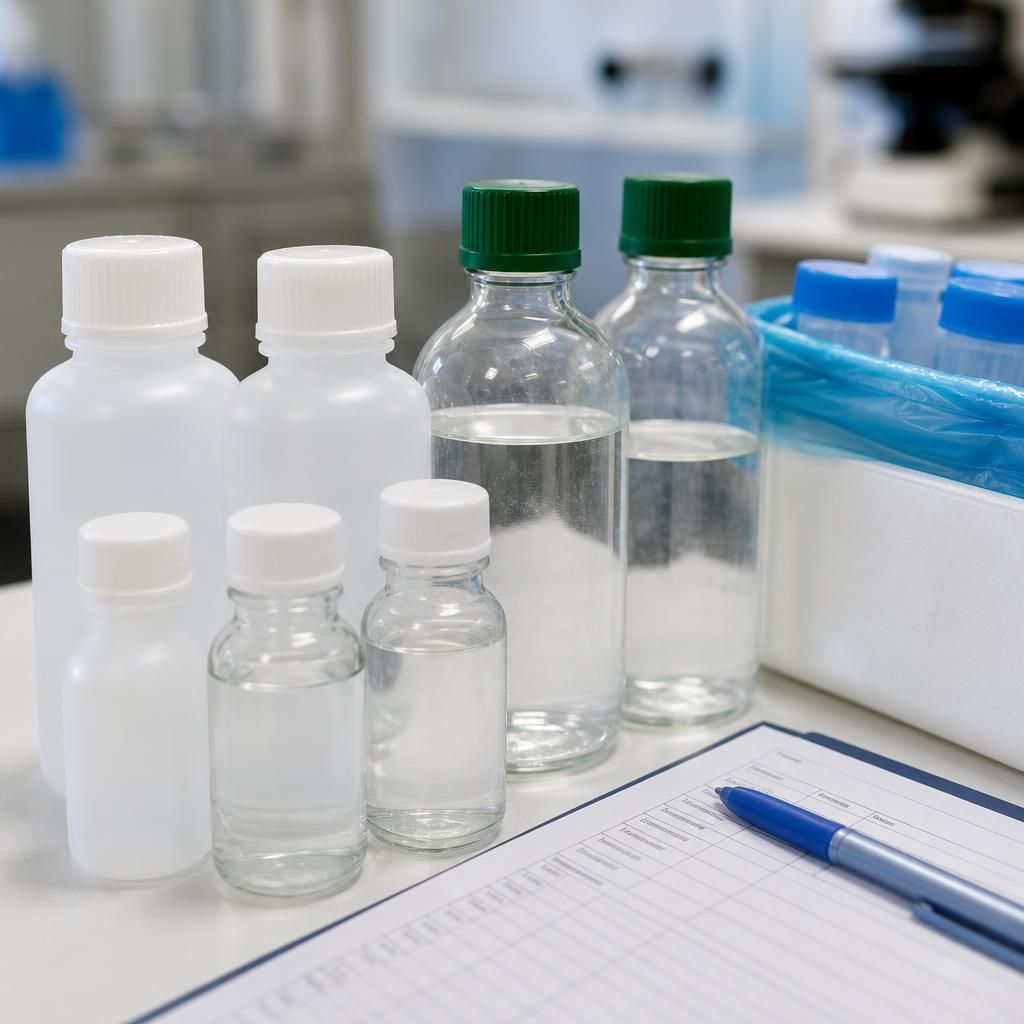
Suitable Sample Containers
Different analyses may require specific containers and handling conditions. Using the appropriate bottles and following preservation requirements helps maintain the sample from collection through to laboratory receipt.
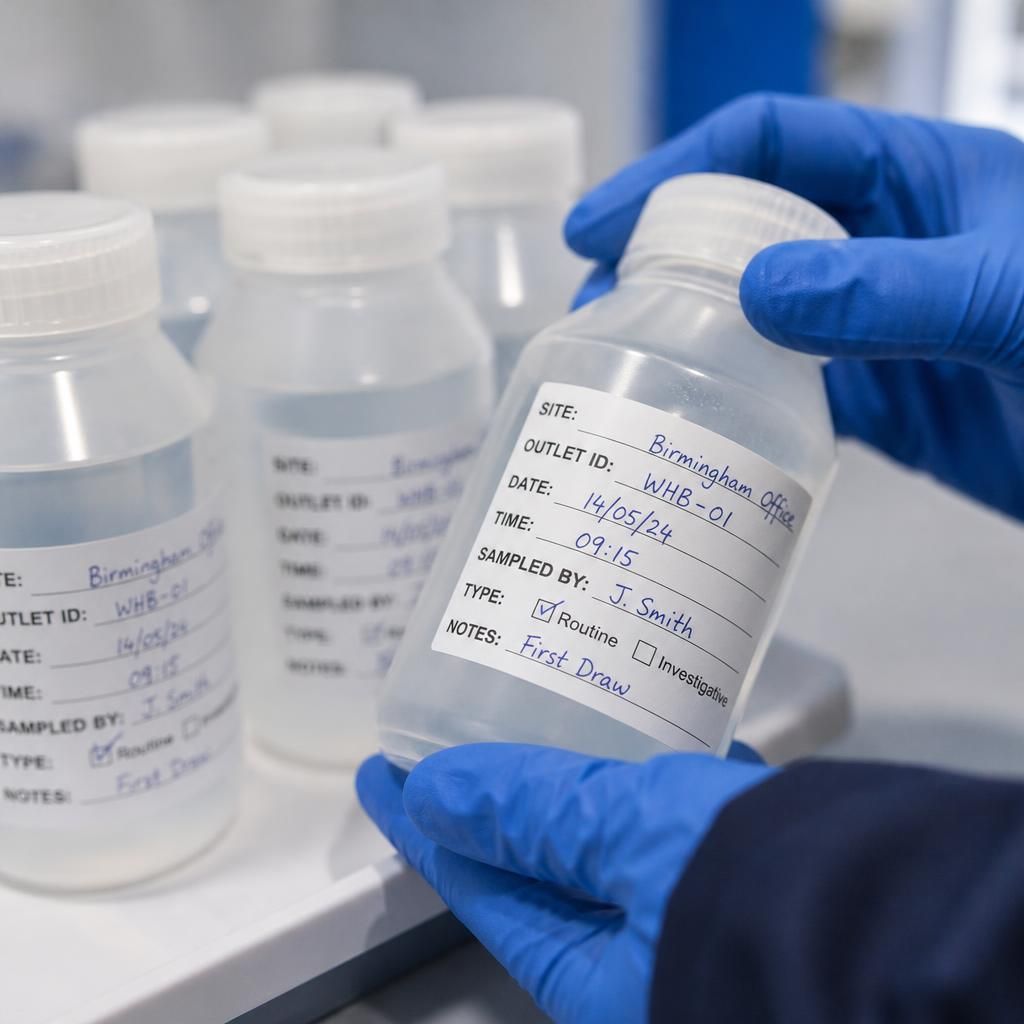
Clear Sample Identification
Each sample should be linked to a defined outlet or system location, with collection details recorded consistently. Accurate labelling reduces ambiguity when results are reviewed against site records.
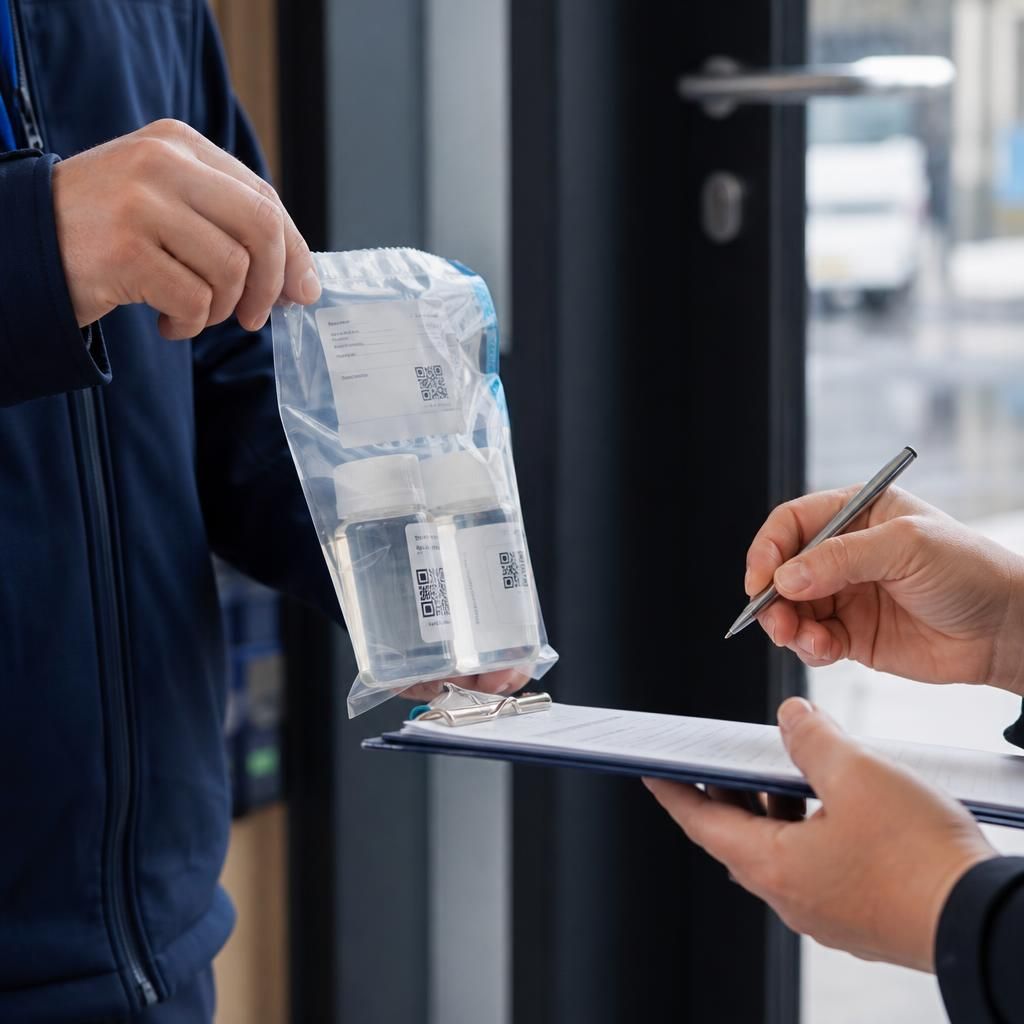
Chain-of-Custody Records
A documented transfer trail records who collected, handled and received the samples. This provides evidence of how samples were managed before analysis and supports confidence in the reported findings.

UKAS-Accredited Analysis
Where appropriate, samples can be submitted for analysis by a UKAS-accredited laboratory. The resulting reports identify the tests undertaken and provide formal evidence for technical review and compliance records.
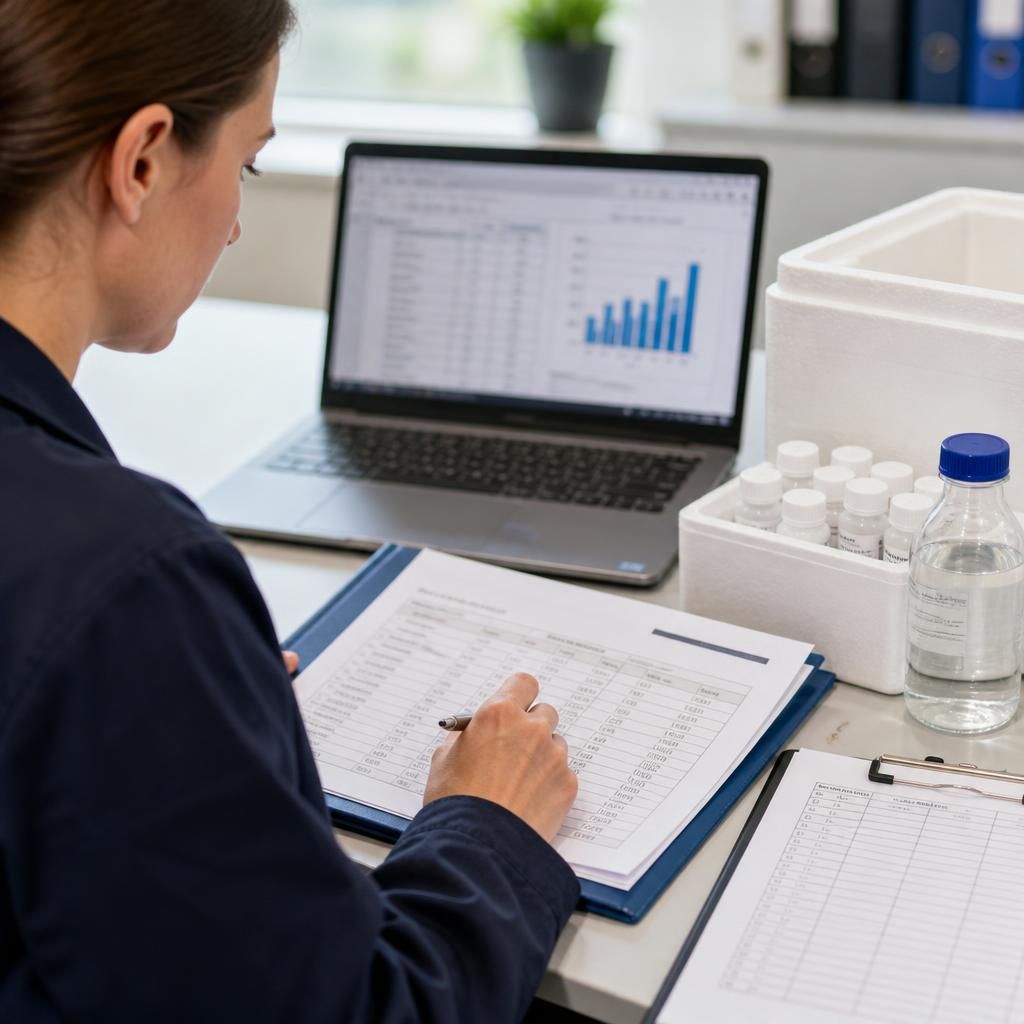
Results Linked to Follow-Up
Results are most useful when considered alongside system information and monitoring records. Review can help determine whether further investigation, remedial action or changes to the water hygiene programme are appropriate.
Questions to Ask Before Appointing a Water Sampling Provider
Before appointing a water sampling provider, ask who will carry out the work, what competence and training they hold, and whether the proposed laboratory and analytical methods are appropriate for your requirements. Clarify the outlets, systems and parameters included, any exclusions, how results will be presented, and who is responsible for providing access, background information and follow-up decisions.
Also confirm the expected sampling and reporting timescales, arrangements for communicating significant findings, and what support is available after the report is issued. A useful quotation should make the scope, responsibilities, laboratory arrangements and ongoing monitoring requirements clear, allowing you to compare value by service quality and suitability rather than price alone.
Check sampler competence and method
Request details of the sampler’s training, experience with legionella water sampling and familiarity with the systems being assessed. Confirm that the proposed method covers outlet preparation, flushing or stagnation requirements, suitable containers, sample preservation and accurate labelling. Where sampling is part of a wider water hygiene programme, ask how the provider will use system information and monitoring records to select representative points.
Use the answers to document your requirements and request a written proposal that reflects the actual water systems, outlets and decisions the sampling programme must support. Before approval, check that the proposed approach aligns with your existing water hygiene arrangements and provides a clear route from sample collection to review of the findings.
Once appointed, keep the agreed sampling plan, completed records and laboratory reports together with relevant system information. This creates a reliable audit trail for future sampling decisions and helps those responsible for water safety assess whether the programme remains suitable as systems or risks change.
Discuss Your Water Sampling Requirements
Unsure which sampling arrangements suit your water system? Contact Blue Fish to clarify the information needed, discuss proportionate advice and receive a tailored quotation or suitable next step, without committing to an unsuitable solution. Send your enquiry today.