
ACOP, HSG274 & L8 Regulations
The Approved Code of Practice (ACOP) L8 and HSG274 guidance define how organisations assess and control legionella risks. This page explains their practical implications for dutyholders and how Blue Fish supports compliant water management nationally.

Practical Benefits of L8 Compliance Support
L8 compliance means applying ACOP L8 and HSG274 control principles to an organisation’s water systems. This clarifies risk ownership, monitoring records and the evidence needed to review whether arrangements remain suitable.
Blue Fish provides proportionate advice, compliance reviews and remedial recommendations, helping dutyholders prioritise actions, demonstrate control and embed water safety in daily management.
Clear dutyholder responsibilities
Blue Fish helps organisations clarify who is responsible for each aspect of legionella control, supporting accountable decisions under ACOP L8.
Structured compliance reviews
A focused review compares existing arrangements with relevant ACOP L8 and HSG274 principles, making gaps and required actions easier to understand.
Controls suited to the system
Advice can reflect the design, use and operating conditions of each water system rather than relying on generic control measures.
Traceable compliance evidence
Consistent records connect risk assessments, monitoring, actions and reviews, giving dutyholders a clearer basis for demonstrating ongoing control.
Prioritised corrective action
Remedial recommendations help separate significant control weaknesses from lower-priority tasks so resources can be directed where they matter most.
Practical day-to-day management
Clear procedures and relevant training help operational teams apply water safety controls consistently and recognise when arrangements need review.
Frequently Asked Questions About ACOP, HSG274 and L8 Compliance
Who is responsible for meeting L8 requirements?
ACOP L8 is not legislation itself, but following its guidance can help dutyholders demonstrate appropriate control. Departures may be acceptable where equally effective measures are justified and documented for inspection.
Read moreWhich water systems are covered by ACOP L8?
ACOP L8 applies to hot and cold water systems where legionella could grow, including storage tanks, calorifiers, showers, cooling systems and spa pools, subject to risk assessment of the premises.
Read moreHow often should legionella control measures be reviewed?
Review frequency should reflect system risk. Reassess arrangements after significant changes, incidents, control failures or new evidence, and periodically confirm that responsibilities and safeguards remain suitable in practice over time.
Read moreWhat does HSG274 add to ACOP L8 guidance?
HSG274 provides practical guidance on monitoring, sampling, control measures and system-specific risks, helping dutyholders translate ACOP L8’s principles into documented procedures suited to different water systems and specific operating contexts.
Read moreDoes L8 compliance require a written legionella control scheme?
A written scheme should set out control measures, monitoring arrangements, responsibilities and actions for the specific water system. Its detail should reflect risk, operational complexity and assessment of site conditions.
Read more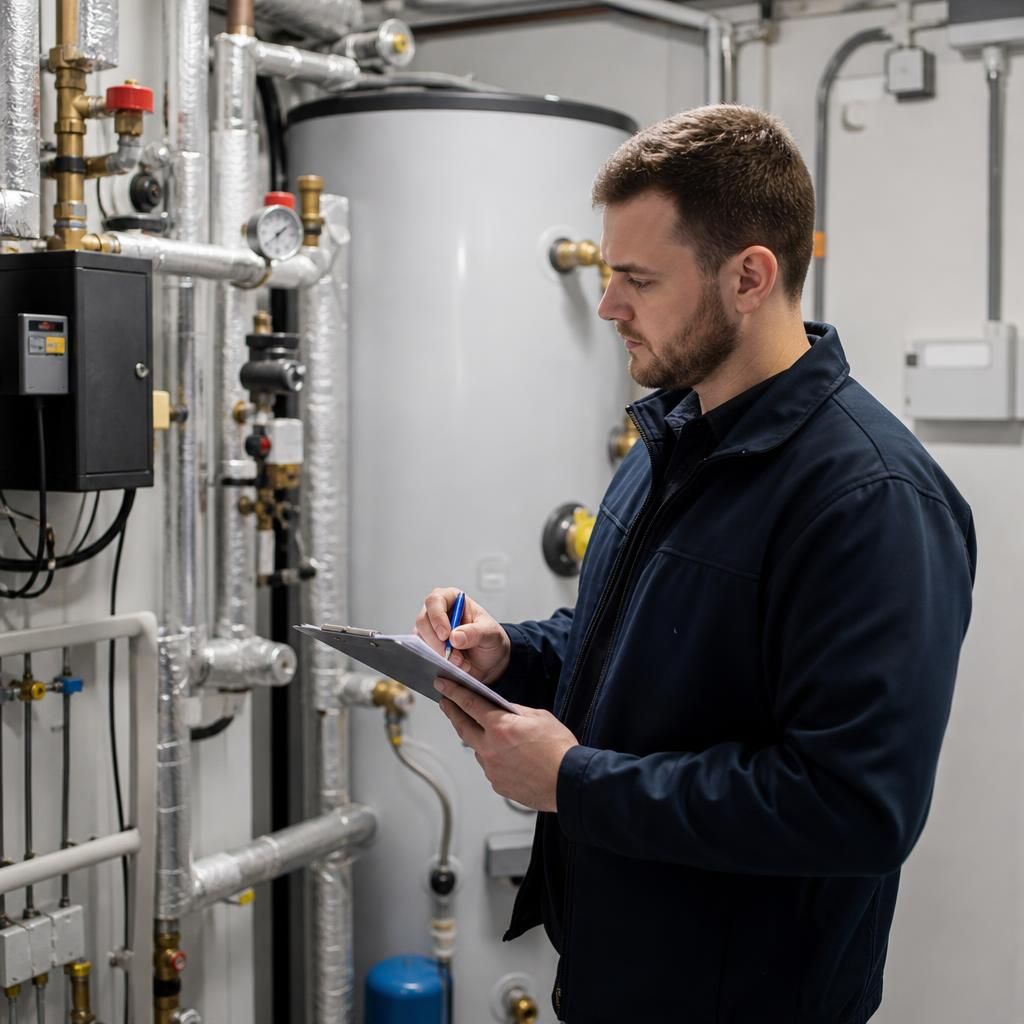
Technical Support for ACOP L8 Compliance
Blue Fish applies ACOP L8’s management principles through structured assessments, written control schemes and scheduled verification of water systems. Its technical work considers system design, temperature control, storage, usage and maintenance so that recommendations relate to actual site conditions.
Where sampling is required, Blue Fish can arrange UKAS-accredited water testing and interpret results alongside system information. This helps distinguish isolated findings from patterns requiring investigation, while clear reports record relevant observations, actions and review points for accountable management.
The service also covers compliance audits, system monitoring, training and remedial works where identified controls need strengthening. This gives dutyholders a practical route from understanding L8 and HSG274 expectations to maintaining demonstrable arrangements, with technical documentation that can be reviewed and updated as systems change.
Practical Partnership
Blue Fish builds lasting client relationships through pragmatic advice, clear communication and dependable guidance tailored to each organisation’s compliance responsibilities.
Discuss Your Legionella Compliance Requirements
If you need to clarify how ACOP L8 and HSG274 apply to your organisation’s water systems, contact Blue Fish to discuss your circumstances, request tailored advice and identify a suitable next step for legionella compliance.