
Legionella Risk Assessor Course Overview
This overview explains what a legionella risk assessor course covers, who may benefit from the training and how it supports competent water-system assessment. Understanding the learning outcomes helps employers and professionals plan appropriate development and manage legionella duties responsibly.

Practical Benefits of Legionella Risk Assessor Training
A legionella risk assessor course builds the judgement required to interpret water-system information and recommend proportionate controls. It connects evidence gathering with practical risk decisions.
For employers, this can support clearer records, responsibilities and consistent review of control measures. Blue Fish Water Management links assessment principles to water hygiene management, reducing uncertainty around legionella duties and helping maintain safer systems.
Structured system appraisal
Training helps assess water-system design, use and condition in a consistent way, making relevant legionella hazards easier to identify.
Proportionate risk decisions
A clearer understanding of risk factors supports recommendations that reflect the system, its users and the potential consequences of exposure.
Stronger compliance evidence
Assessors learn how to organise findings and supporting evidence so that duties, actions and review requirements are easier to demonstrate.
Clearer role coordination
Shared technical understanding helps duty holders, engineers and contractors distinguish responsibilities and coordinate control measures effectively.
Useful assessment reports
Practical report-writing skills help turn site information into concise findings, prioritised actions and information that decision-makers can use.
Better day-to-day control
The course connects assessment findings with routine water hygiene management, supporting more informed monitoring, maintenance and follow-up.
Legionella Risk Assessor Course FAQs
What prior knowledge is needed for a legionella risk assessor course?
Participants should understand basic water-system terminology and legionella control principles. The course develops assessment capability, but employers should confirm delegates’ responsibilities, experience and any prerequisites with the provider before booking.
Read moreHow is a legionella risk assessor course assessed?
Assessment commonly combines knowledge checks with practical casework, requiring delegates to interpret system information, identify hazards, justify control recommendations and document findings clearly. The provider confirms format and pass requirements.
Read moreHow long does a legionella risk assessor course take?
Course length varies by provider, delivery format and syllabus depth. Prospective delegates should check the schedule, including teaching days, breaks and any required activities, directly with the provider before booking.
Read moreWhat responsibilities can a trained legionella risk assessor undertake?
A trained assessor can inspect relevant water systems, evaluate legionella hazards, recommend suitable control measures, record findings, and advise responsible persons, subject to competence, role boundaries and appropriate employer arrangements.
Read moreDoes a legionella risk assessor course provide a recognised qualification?
A course may issue a certificate of completion, but recognition depends on the provider, syllabus and accrediting arrangements. Employers should verify acceptance, assessment requirements and certificate status before enrolling delegates.
Read more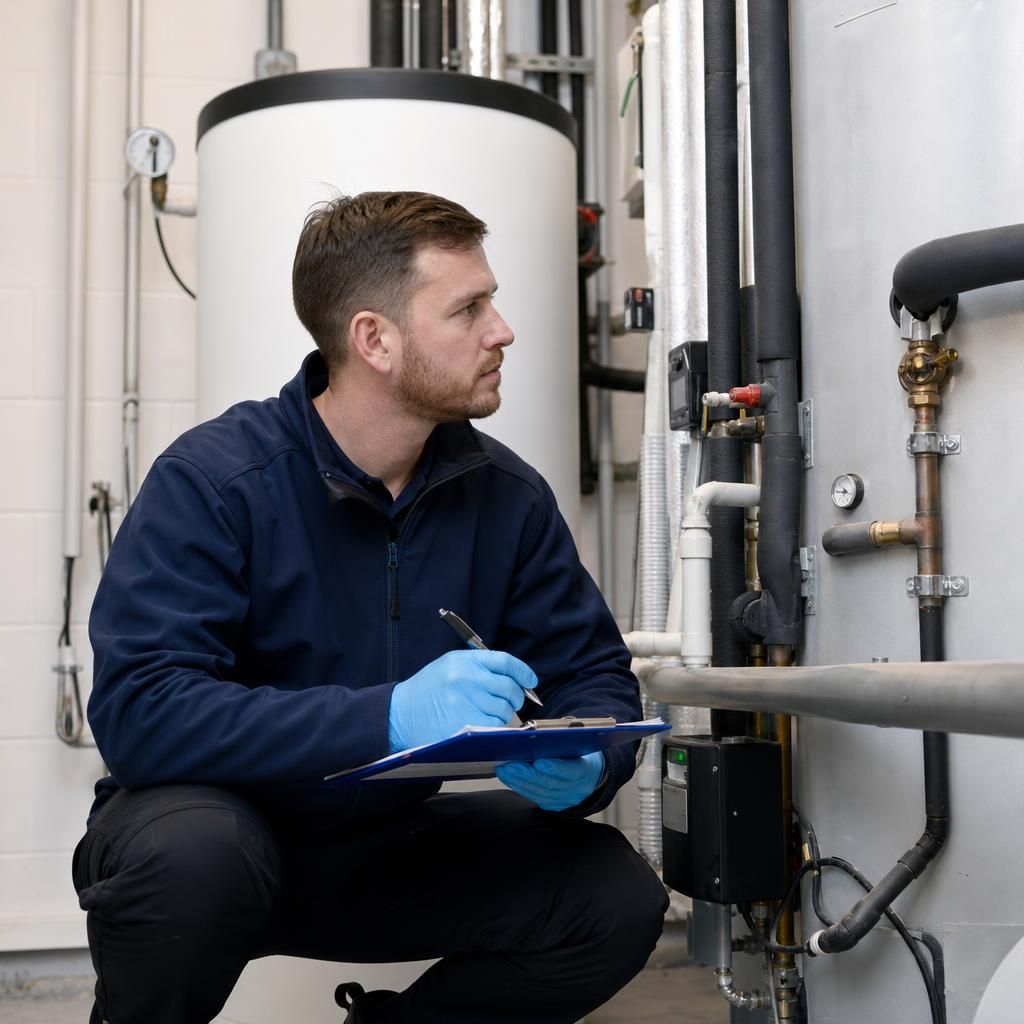
Evidence-Based Legionella Risk Assessment Training
A legionella risk assessor course should reflect how assessments are completed in occupied water systems, not only describe regulatory duties. Blue Fish Water Management applies this practical perspective through work with domestic, industrial and commercial environments.
Its technical work includes legionella risk assessments, system monitoring, water hygiene audits and remedial recommendations. This gives learners context for examining stored water, distribution arrangements, usage patterns and existing management measures before documenting findings.
Testing capability is supported by UKAS-accredited water testing, while training and compliance audit experience help connect technical observations with records that organisations can maintain. The result is a course foundation grounded in water-management practice, suitable for professionals who need to produce clear, defensible assessment information for responsible persons and duty holders.
Pragmatic Partnership
Clear course guidance, practical discussion and relationship-led support help organisations evaluate legionella risk assessor course content against responsibilities and systems.
Discuss Your Legionella Risk Assessor Course Requirements
If you are comparing course options, discuss your organisation’s systems, existing responsibilities and training objectives with Blue Fish Water Management. The team can help clarify suitable next steps and the information needed to assess course requirements.