
Hot Water System Legionella Testing
Legionella testing for hot water systems checks whether stored or distributed water presents conditions that could support bacterial growth. Blue Fish Water Management provides this service for organisations nationally across domestic, industrial and commercial settings, supporting compliance and remedial planning.
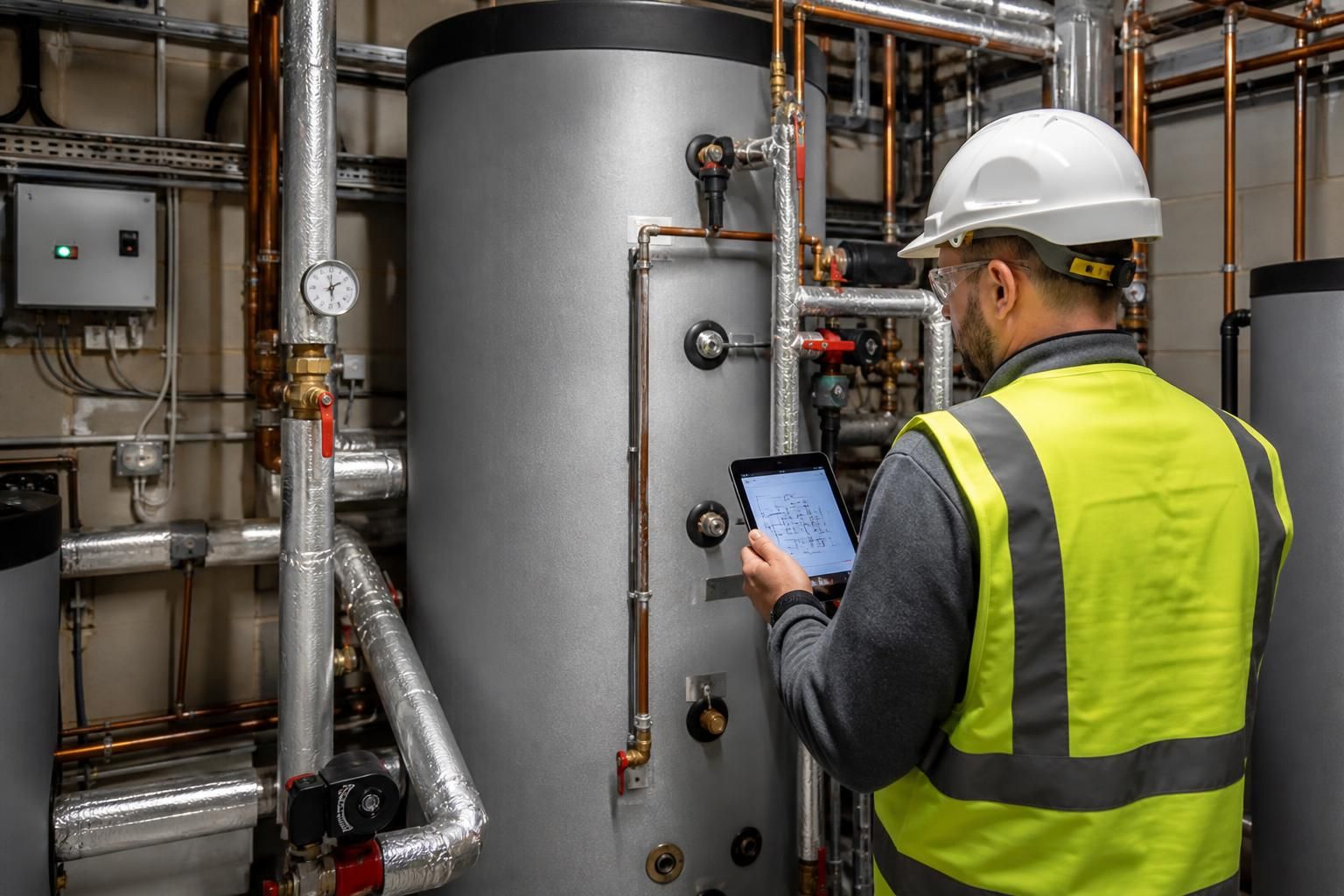
Comparing Hot Water System Legionella Testing Approaches
The appropriate legionella testing approach for a hot water system depends on the question being answered: targeted sampling may verify a concern, broader investigation may examine contributing conditions, while planned monitoring supports ongoing control and compliance decisions.
Targeted outlet sampling
Samples are taken from selected hot water outlets to investigate a specific concern, such as an infrequently used tap, temperature issue or known area of risk. This focused approach suits organisations that need evidence from particular points rather than an assessment of the whole installation.
Storage vessel sampling
Sampling from a hot water cylinder, calorifier or associated storage point examines conditions within the part of the system where water is retained. It is appropriate when the concern relates to storage temperatures, stagnation, vessel condition or contamination at source.
Representative system sampling
A broader sampling plan covers selected storage points, sentinel outlets and other relevant parts of the distribution system. This approach is suitable when an organisation needs to understand whether a result is isolated or indicative of wider system conditions.
Investigative follow-up testing
Additional samples can be collected after an unsatisfactory result, remedial work or a significant change to system operation. The purpose is to clarify the extent of the issue and provide evidence for decisions about further investigation or control measures.
Planned monitoring samples
Recurring samples form part of a documented monitoring programme, with results considered alongside temperature records, maintenance information and risk assessments. This approach supports trend evaluation and helps inform ongoing compliance decisions for managed hot water systems.
What Hot Water System Legionella Testing Includes
A thorough service connects sampling with the system’s operating context. It can cover sample point selection, laboratory analysis, result interpretation, documented reporting and recommendations for proportionate follow-up, helping organisations make informed compliance decisions.
Planned sample point selection
Sampling points are considered in relation to the hot water system layout, including storage vessels, distribution outlets and return arrangements where present. This helps testing reflect the system’s potential areas of risk rather than an isolated outlet.
Representative water sampling
Samples are collected from relevant hot water outlets and system locations using procedures suited to the assessment purpose. Sampling information is recorded so results can be reviewed against the equipment and operating conditions.
UKAS-accredited laboratory analysis
Water samples can be submitted for laboratory analysis through UKAS-accredited testing arrangements. The results identify whether Legionella has been detected and provide objective evidence for the organisation’s compliance records.
Result interpretation
Laboratory findings are considered alongside the hot water system’s design, use, maintenance arrangements and relevant risk factors. This avoids treating a test result in isolation and supports a more informed assessment of control measures.
Documented reporting
Findings are set out in a clear report covering the sampling undertaken, laboratory results and relevant observations. The documentation provides an auditable record for responsible persons, facilities teams and compliance reviews.
Proportionate follow-up recommendations
Where results or system conditions indicate further attention is appropriate, the report can identify practical next steps. Recommendations may support additional investigation, remedial works, monitoring or review of existing legionella control measures.
Questions About Hot Water System Legionella Testing
What triggers legionella testing for a hot water system?
Testing should be considered when temperature control, usage patterns, system design or previous findings create uncertainty. Specialist interpretation helps determine whether routine monitoring, additional sampling or remedial investigation is appropriate.
Read moreWhich hot water system points should be sampled for legionella testing?
Sampling should cover representative outlets, storage vessels and return circulation points, with locations selected according to system design, usage and risk. Avoid relying solely on convenient taps or isolated outlets.
Read moreHow are hot water system legionella test results interpreted for compliance?
Interpretation compares laboratory findings with sampling context, temperature management, system use and risk assessment. Results may support monitoring, targeted investigation or corrective action, rather than compliance conclusions made in isolation.
Read moreHow should organisations act after hot water system legionella testing?
Review findings against risk assessment, document decisions, assign corrective actions, verify completion, update monitoring and reassess if system changes or results indicate investigation within the organisation's documented water safety plan.
Read moreHow often should hot water system legionella testing be repeated?
Repeat legionella testing according to the documented monitoring plan, risk profile and system changes. Increase sampling where control deteriorates, occupancy changes, remedial work occurs, or previous results warrant further verification.
Read moreWhat to Ask Before Arranging Legionella Testing
Before arranging legionella testing for a hot water system, confirm which parts of the installation will be assessed and why. Ask who will carry out the work, what relevant competence they hold, how samples and findings will be evidenced, and whether the proposed scope reflects the system’s risk profile.
Clarify how results will be reported, how potential issues will be prioritised, and when the organisation should expect the completed documentation. Establish who is responsible for providing access, supplying system information, reviewing findings, arranging remedial action where necessary, and maintaining any follow-up monitoring.
What should the sampling plan include?
The sampling plan should identify relevant storage vessels, outlets, return circuits and other accessible points where conditions may differ. Ask whether the scope considers water temperature, usage patterns, stagnation risks, vulnerable users and any known changes to the installation, rather than treating isolated results as a complete assessment of the system.
Use the answers to agree a clear, proportionate testing plan before any samples are taken. The plan should identify the decisions the results need to inform, such as whether further investigation, control changes or remedial work may be required.
Testing is one part of managing legionella risk rather than a substitute for effective system control. Once findings are available, review them alongside temperature records, maintenance information and the system’s risk assessment so that any action is based on the wider operating context.
Discuss the Right Legionella Testing Approach
Discuss your hot water system with Blue Fish Water Management to clarify whether legionella testing is appropriate, what evidence may be needed, and which practical next step best supports your organisation’s water safety responsibilities.