
UKAS Water Testing for Legionella
Legionella water testing uses controlled sampling and laboratory analysis to identify bacterial risk within water systems. Blue Fish Water Management explains suitable sampling arrangements, result interpretation and proportionate follow-up actions, so organisations can review testing options for water hygiene compliance.

Which UKAS Legionella Water Testing Approach Suits Your System?
Which UKAS Legionella water testing approach best suits your system?
Routine sampling suits established monitoring; investigative testing targets suspected contamination; post-remedial samples verify controls. Choose according to HSG274, system condition, scale, required timescale, compliance evidence, budget and sampling complexity.
Read moreHow do UKAS Legionella testing methods differ?
Culture-based testing identifies viable Legionella; PCR detects genetic material, requiring different interpretation. Choose between methods according to system condition, scale, HSG274, compliance evidence, timescale, budget and overall sampling demands too.
Read moreWhich criteria matter when comparing UKAS Legionella water testing options?
Compare laboratory competence, method suitability, sample locations, reporting detail, detection limits, turnaround requirements, chain-of-custody arrangements, HSG274 alignment, system complexity and budget before selecting options for compliance evidence and operational needs.
Read moreWhat information should a UKAS Legionella water testing report include?
A UKAS Legionella testing report should identify samples, locations, dates, methods, detection limits, results, interpretation, quality controls, chain of custody, relevant HSG274 context and recommended follow-up actions for compliance review.
Read moreHow does system condition influence UKAS Legionella testing selection?
System condition determines whether testing should establish a baseline, investigate deterioration, or confirm remedial control. Consider stagnation, temperature instability, biofilm, corrosion, dead legs and recent engineering changes when selecting sampling.
Read moreWhy Choose Blue Fish for Legionella Water Testing?
Blue Fish provides sector-aware guidance for organisations comparing UKAS testing options. Recommendations are tailored to each water system, supported by pragmatic advice, national coverage and long-term client relationships, helping clients make informed hygiene decisions.
UKAS-accredited testing
Water samples are tested through UKAS-accredited arrangements, providing a recognised analytical basis for reviewing Legionella risk and deciding whether further action is appropriate.
Sampling based on the system
Blue Fish considers the water system, its uses and relevant risk points when advising on sampling. This avoids applying a standard testing plan without regard to site conditions.
Advice for different sectors
Testing requirements can vary between domestic, industrial and commercial environments. Blue Fish applies sector experience to help organisations assess which sampling considerations are relevant to their premises.
Clear result interpretation
Laboratory findings need to be understood in context rather than viewed in isolation. Blue Fish explains what results indicate and how they relate to water hygiene compliance.
Useful compliance evidence
Testing records, laboratory findings and follow-up recommendations can contribute to a more structured compliance review, helping organisations identify where monitoring or remedial work should be considered.
What to Expect from UKAS Legionella Water Testing
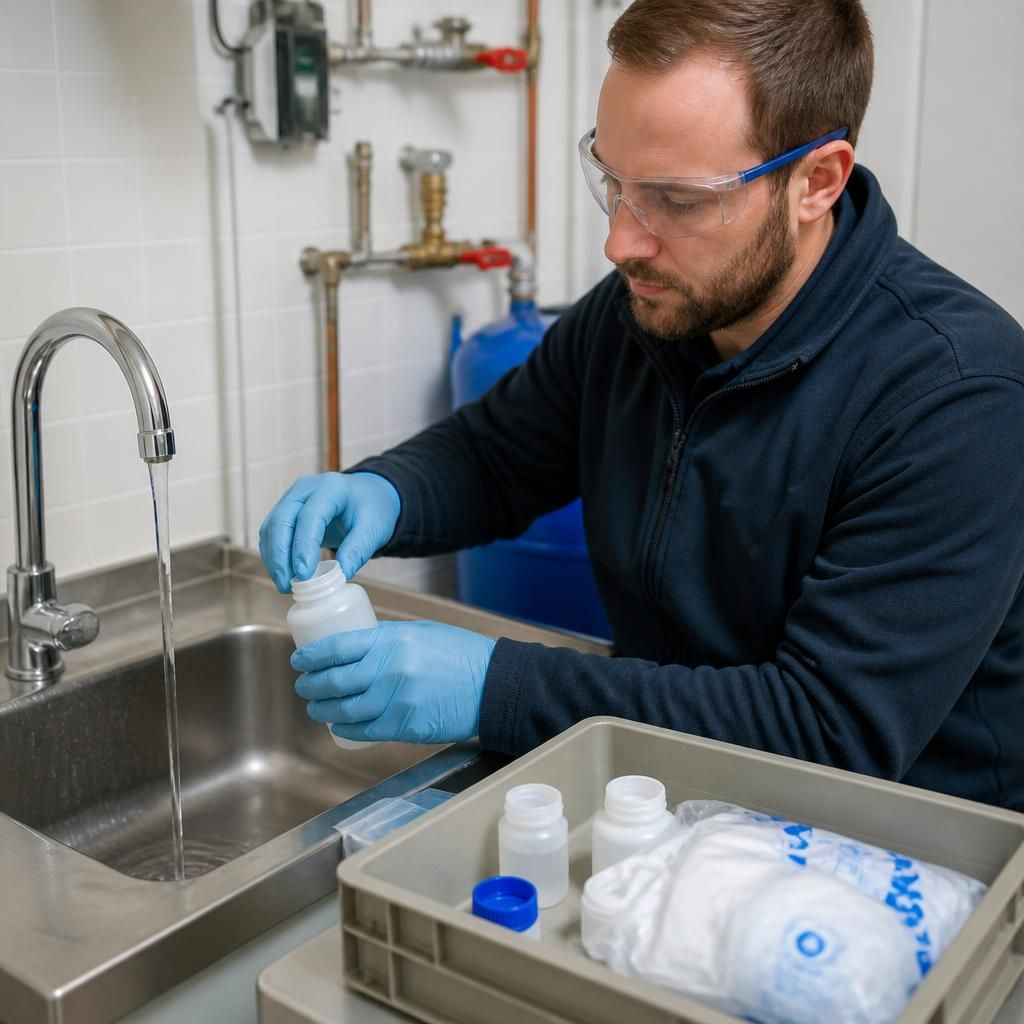
Assessment Before Sampling
Testing is most useful when it is linked to the system’s risk profile and water safety arrangements. An informed assessment helps determine which outlets, plant areas and water uses require attention, rather than treating every sample as an isolated result.
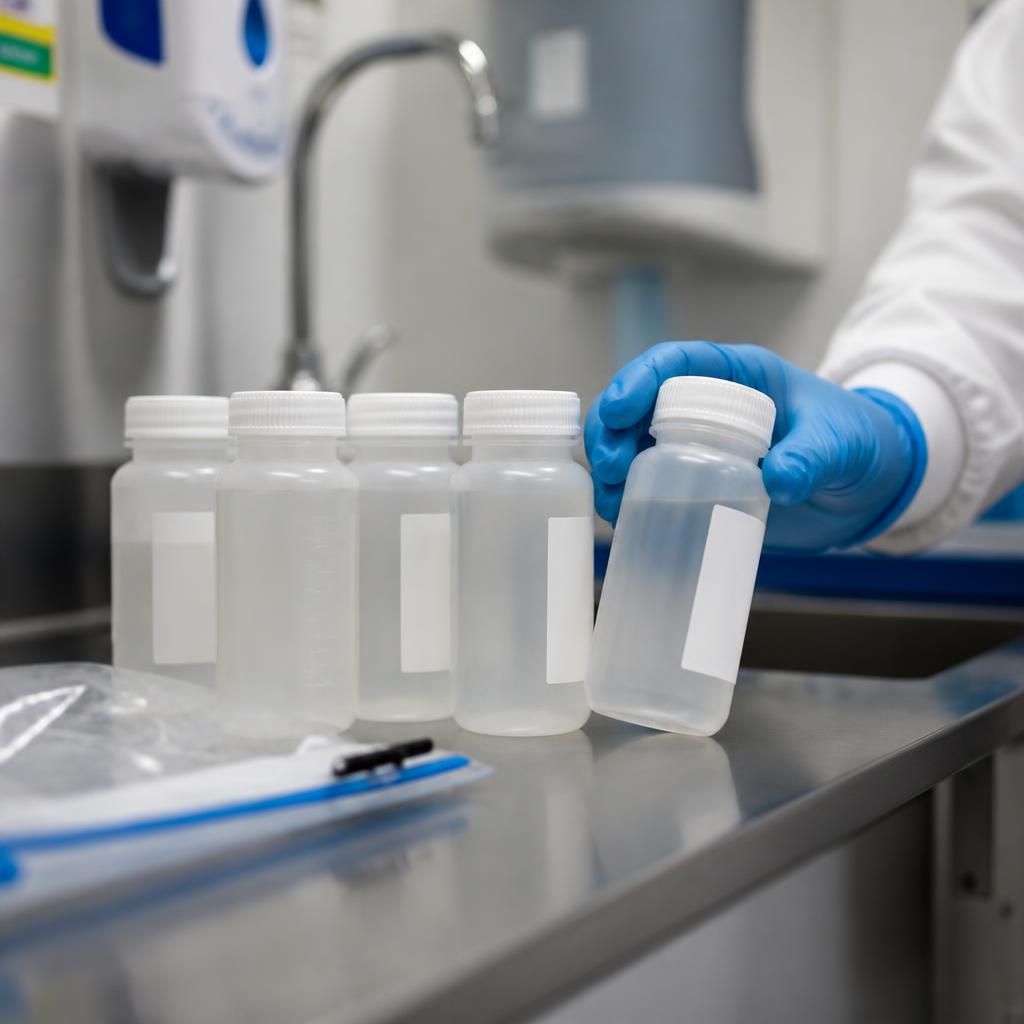
Controlled Sample Collection
Samples should be collected using documented procedures that preserve their integrity from the point of collection through to laboratory receipt. Clear identification of each sample supports reliable comparison between locations and future testing rounds.

UKAS-Accredited Analysis
UKAS-accredited laboratory analysis provides a recognised framework for examining water samples for legionella. The laboratory output gives responsible persons objective evidence to consider alongside system conditions, control records and other risk information.

Useful, Traceable Reporting
A well-constructed report brings the laboratory findings together with sample references and relevant system information. This makes the evidence easier to review during compliance audits and helps distinguish an individual result from a wider control issue.
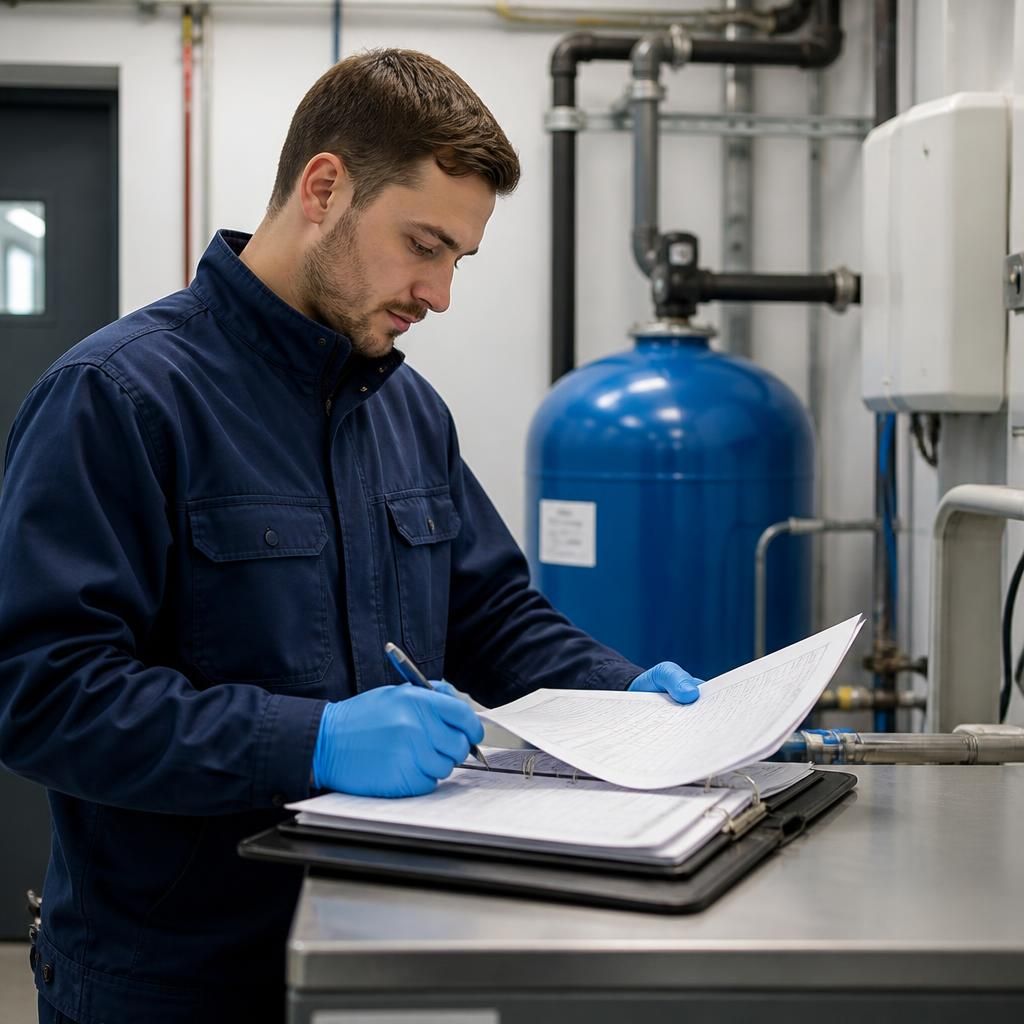
Follow-Through and Verification
Where results require action, testing evidence can inform targeted investigation, control adjustments or remedial work. Further monitoring can then be used to examine whether the response has addressed the relevant part of the water system and to maintain an auditable record.
Questions to Ask Before Choosing a Legionella Testing Provider
When comparing providers for UKAS water testing for legionella, ask who collects samples, who performs the analysis and whether the laboratory’s accreditation covers the tests required for your systems. Confirm that the proposed scope includes appropriate sample locations, documented chain of custody, clear reporting and competent interpretation of results.
Also establish what your organisation must provide, when reports will be issued, how results are explained and whether the provider can support follow-up monitoring or remedial decisions. A useful comparison should consider technical competence, communication, records and the practical value of the service rather than laboratory pricing alone.
Check the accreditation scope
Request the laboratory’s current scope of accreditation and check that it covers the methods and sample types applicable to the water systems under review. Also establish which organisation holds responsibility for the accredited analysis, as sample collection, transport and interpretation may involve different parties. This distinction helps prevent a report from being described as UKAS-accredited when only part of the testing process falls within the accredited scope.
Once your questions have been answered, request a written proposal and check it against the organisation’s existing water safety plan. It should make clear how the proposed work will inform decisions about control measures, further investigation or remedial action.
Before appointing a provider, confirm that the final arrangement can be incorporated into your compliance records and reviewed as part of ongoing legionella management. This gives the testing a defined purpose beyond producing an isolated laboratory result.
Discuss Your Legionella Water Testing Requirements
Contact Blue Fish Water Management to clarify your UKAS water testing requirements. We can discuss sampling scope and reporting needs, recommend a proportionate next step and prepare a tailored quotation without committing you to unsuitable work. Send your enquiry today.