
Chlorination for Water Testing
Chlorination for water testing combines controlled chlorine disinfection with sampling to assess whether a water system meets hygiene standards. Blue Fish Water Management supports appropriate treatment, sample interpretation and compliance decisions, helping businesses identify and address microbial risk.
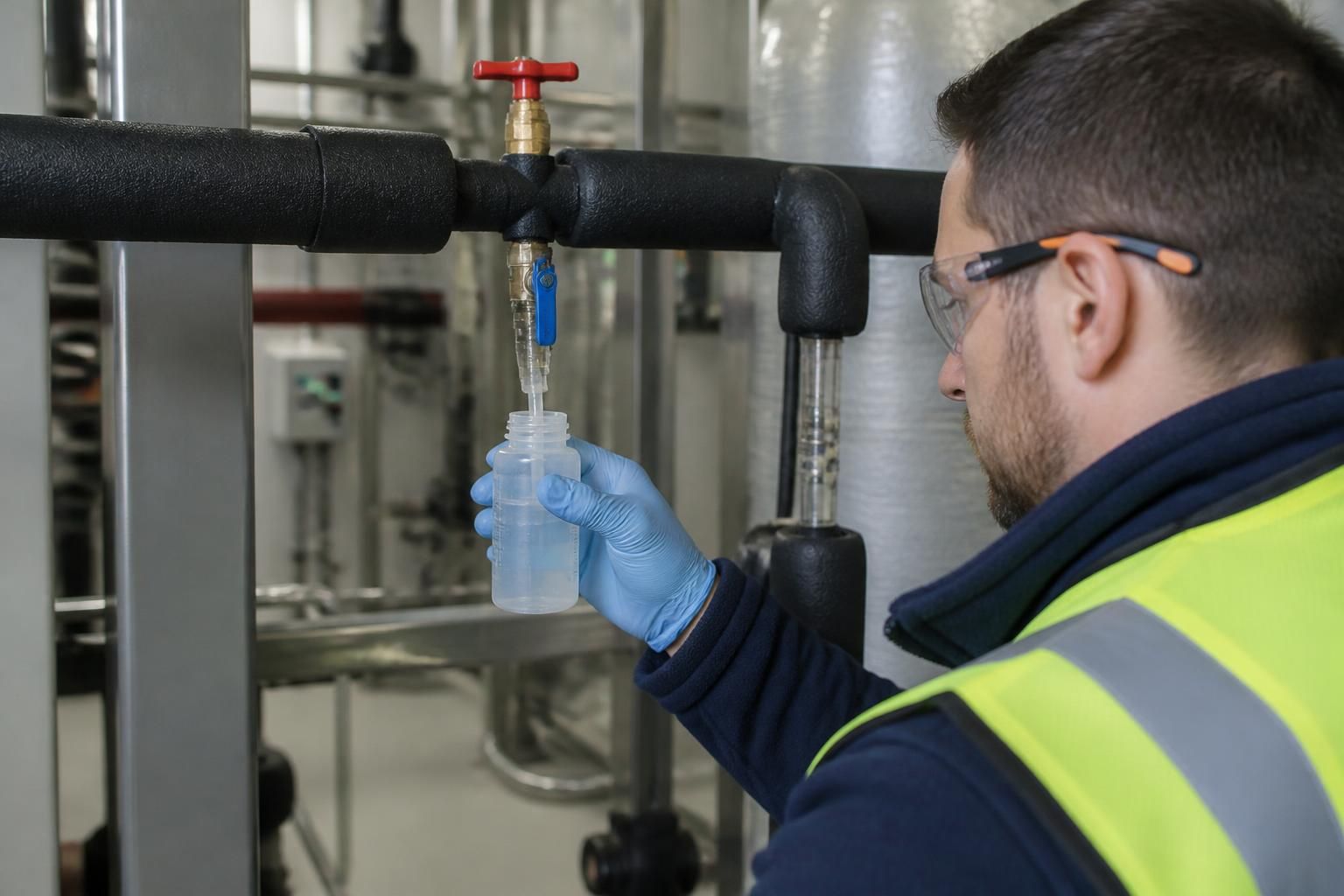
Chlorination for Water Testing: Scope, Standards and Controls
An effective chlorination testing programme defines the system boundaries, treatment method, contact conditions, sampling plan and acceptance criteria. It also records results, corrective actions and ongoing controls, creating evidence that disinfection has been planned, performed and assessed systematically.
System assessment and scope
The process begins by identifying the water system, outlets, storage arrangements, distribution routes and sections requiring treatment. This establishes clear boundaries for the chlorination exercise and highlights areas where access, stagnation or restricted flow could affect the result.
Controlled chlorine treatment
Chlorine is introduced and managed as a controlled disinfection measure, with attention to concentration, distribution and contact conditions throughout the defined system. Treatment parameters should be recorded so the work can be reviewed against the agreed method.
Sampling and laboratory analysis
Samples are taken at appropriate points after treatment and any required flushing or conditioning. Residual disinfectant checks and microbiological testing provide evidence of how the system responded, with UKAS-accredited water testing supporting robust result interpretation where laboratory analysis is required.
Acceptance criteria
Results should be assessed against documented acceptance criteria established for the system, its intended use and the relevant water hygiene requirements. A clear pass, conditional outcome or further-action decision prevents test results from being considered in isolation.
Non-conformances and corrective action
Unsatisfactory findings may indicate incomplete treatment, poor circulation, contamination, dead legs or another underlying control issue. The record should identify the finding, required remedial action, responsible party and any follow-up sampling needed to verify the response.
Compliance documentation
A properly managed outcome includes the treatment method, system areas covered, monitoring records, sample details, laboratory results, decisions and corrective actions. This documentation provides traceable evidence for water hygiene records, compliance reviews and future risk assessment.
Understanding Chlorination Test Results and Responsibilities
What the test is intended to establish
The assessment should establish which parts of the water system were included, what treatment was applied and whether the disinfectant reached relevant outlets. It should also distinguish between a treatment check and a microbiological investigation: chlorine measurements show treatment conditions at particular points, whereas laboratory analysis provides evidence about the organisms detected in the sample.
Before commissioning chlorination for water testing, confirm the system’s current condition, any previous treatment history and the decisions the results need to support. This helps establish an appropriate scope and ensures that reported findings can be linked to specific parts of the installation.
A competent water hygiene specialist can then help translate the test report into a practical action plan, distinguishing between further investigation, remedial work and routine monitoring. Keeping the treatment record, laboratory report and follow-up decisions together provides a clear audit trail for future reviews.
Where Chlorination Testing Applies
Chlorination for water testing can be adapted to different premises, from offices and housing developments to healthcare, education, industrial and hospitality sites. The scope depends on system design, occupancy, water use, contamination concerns and the evidence required.
New or Modified Water Installations
Chlorination testing can verify that newly installed or altered pipework has been disinfected appropriately before the system is brought into regular use. Sampling should cover relevant outlets and confirm that treatment has been effective throughout the installation.
Post-Remedial Verification
Where cleaning, disinfection or repair work has addressed a suspected hygiene problem, follow-up chlorination testing provides evidence of the system’s condition after the work. The findings can support decisions about returning equipment or outlets to service.
Systems Affected by Stagnation
Buildings with vacant areas, infrequently used outlets or interrupted occupancy may require testing after periods of low water use. Chlorine residuals and microbiological results can help determine whether additional flushing, cleaning or investigation is appropriate.
Suspected Contamination Events
Testing may be commissioned when unusual water quality, an incident or a system fault raises concern about microbial contamination. Results should be interpreted alongside the event history and the parts of the system that may have been affected.
Healthcare and Care Environments
In settings where occupants may be more vulnerable to waterborne infection, chlorination testing can form part of a structured water safety investigation. Sampling plans should reflect the building’s risk assessment, outlets in use and relevant control measures.
Evidence for Compliance Reviews
A documented chlorination test can support audits and management reviews by linking treatment conditions with laboratory findings. Clear records of sampling points, residual readings, results and follow-up actions make the evidence easier to assess.
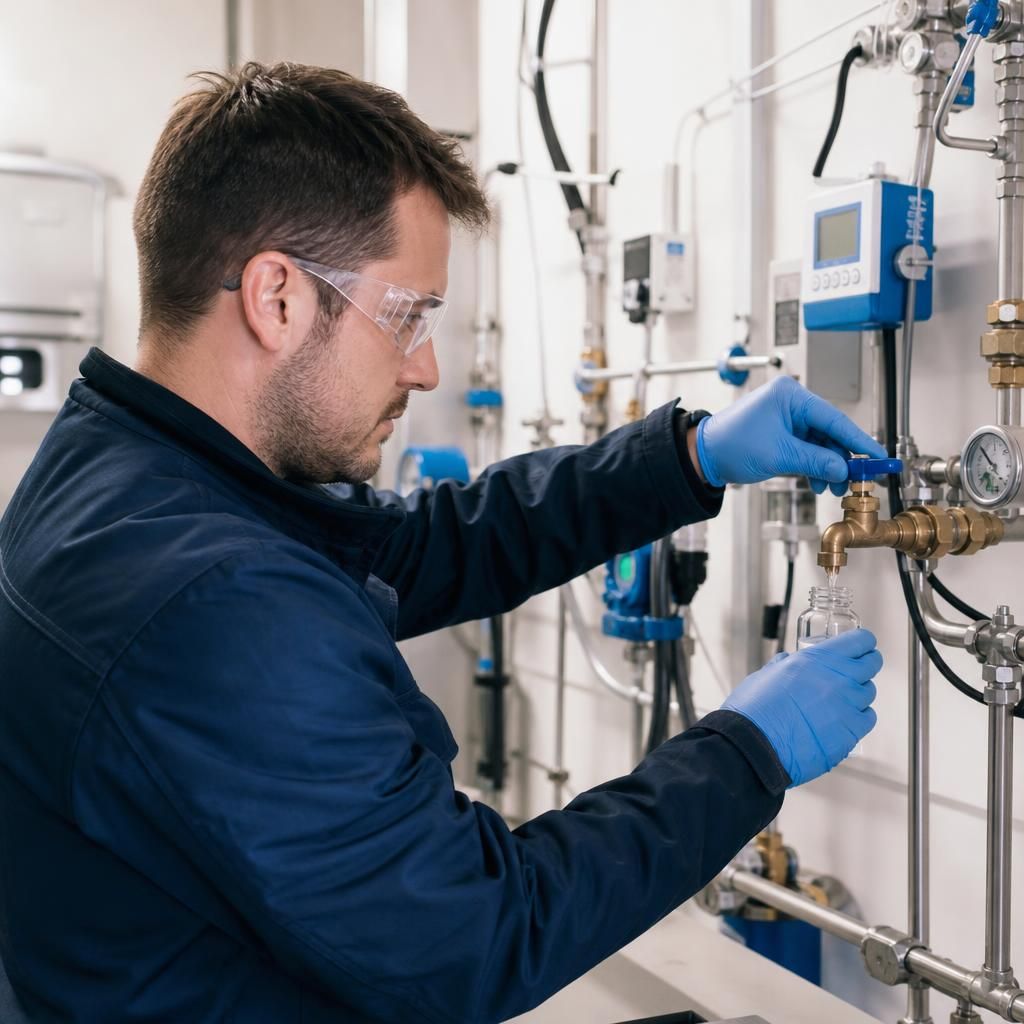
Technical Approach to Chlorination Testing
Chlorination for water testing is a controlled process in which disinfection is assessed through structured sampling. Blue Fish Water Management links the treatment method with representative evidence, allowing results to be considered in relation to the system’s condition and use rather than as standalone readings.
Experienced water hygiene personnel review system configuration, access points and the investigation’s purpose before work begins. This helps identify sampling locations that can produce useful evidence and brings relevant site observations into the technical assessment.
Quality control is supported by clear documentation, consistent procedures and technical review. Clients receive an organised account of the work completed, relevant results and the significance of findings, with practical recommendations where further action merits consideration.
Questions to Ask Before Appointing a Chlorination Testing Provider
What accreditation should a chlorination for water testing provider hold?
An appropriate provider should explain sampling locations, chlorine parameters, laboratory arrangements, interpretation criteria, reporting format, corrective recommendations and how findings will be reviewed with the dutyholder after treatment, including follow-up.
Read moreWhat qualifications should staff conducting chlorination for water testing have?
Staff should hold relevant water hygiene and sampling competence, with training in chlorine handling, microbiological sampling, risk assessment and health and safety. Ask for evidence of competence and technical supervision.
Read moreHow does a provider determine the chlorine dose for water testing?
A provider should base the chlorine dose on system volume, water quality, demand, temperature, pipework condition and treatment objectives, then verify residuals and adjust safely using a documented testing procedure.
Read moreWhat timescales apply to chlorination for water testing?
Timescales depend on system size, access, treatment requirements, laboratory processing and any remedial work. Agree written milestones for preparation, disinfection, sampling, reporting and follow-up before treatment work begins on site.
Read moreHow does a provider protect sample integrity during chlorination testing?
Sample integrity depends on sterile containers, representative sampling, labelled points, documented conditions, suitable transport and prompt laboratory submission, reducing contamination risks and supporting reliable interpretation of chlorination results after treatment.
Read moreDiscuss Your Chlorination Testing Requirements
Discuss your chlorination for water testing requirements with Blue Fish Water Management. The team can help clarify the evidence needed, identify a suitable scope and provide practical advice or a tailored quotation for your commercial water system.