
Legionella Testing Prices for UK Businesses
Legionella testing checks water systems for the bacteria that can cause Legionnaires’ disease. This guide helps UK businesses understand likely testing costs, the factors that influence quotes, and how results support proportionate water hygiene decisions and compliance planning.
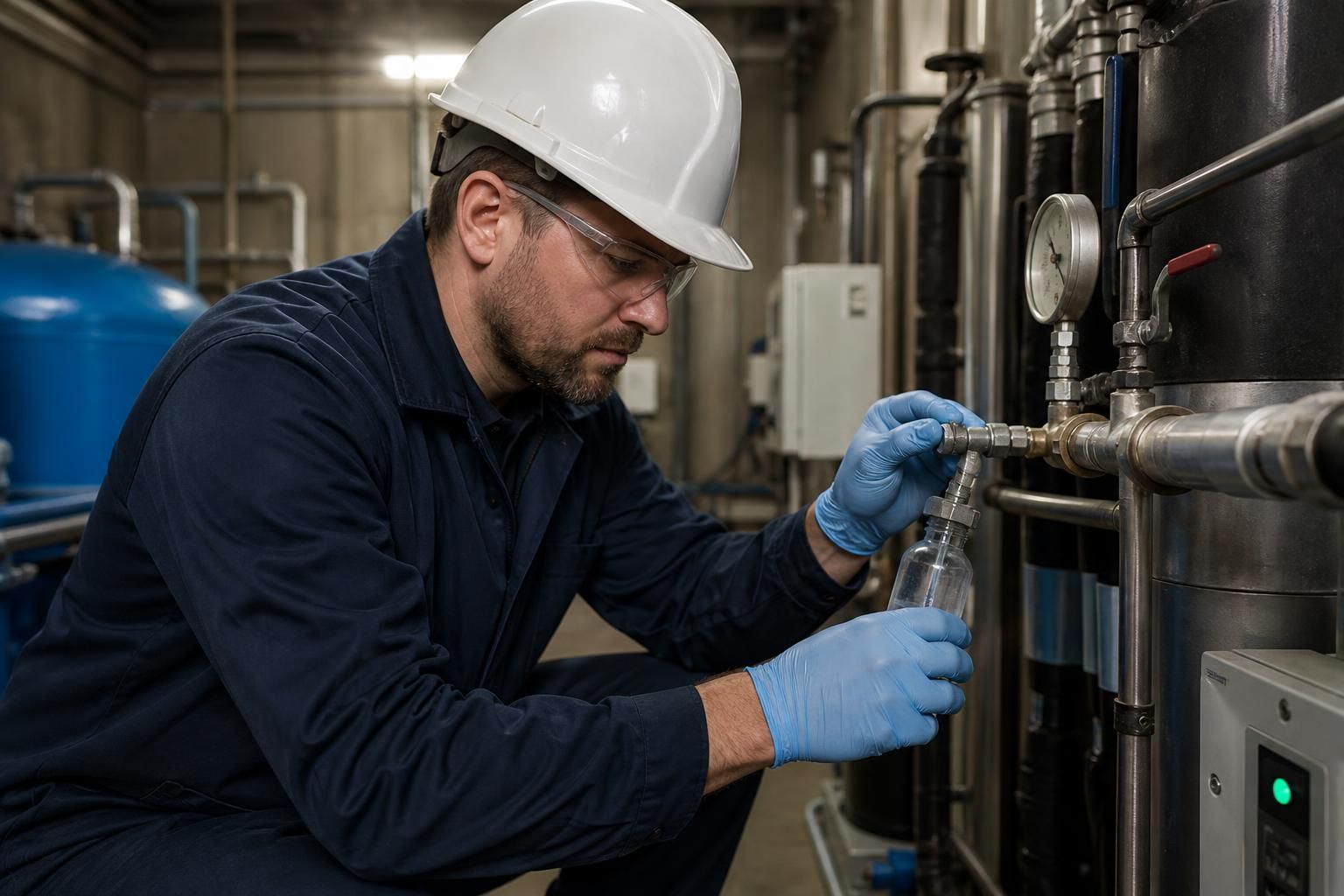
Compare Legionella Testing Options for Your Business
Businesses can compare testing approaches by the number of outlets sampled, the type of water system involved, and the level of interpretation required. The most suitable option depends on risk, purpose, and the decisions results must support.
Targeted single-point testing
A targeted sample examines a specific outlet, storage vessel or part of a water system. It may suit a defined concern or an isolated investigation, but the price should not be treated as the cost of assessing the wider system because one result cannot represent every outlet.
Representative sampling
Representative testing covers selected outlets and system points to provide a broader view without sampling every location. It can be suitable for routine monitoring or a defined building area, with the quote influenced by the number and accessibility of samples and the interpretation required.
Comprehensive system testing
A wider programme samples relevant parts of the hot and cold water systems, such as tanks, calorifiers, return loops and outlets. This approach generally involves more site work and laboratory samples, but is more appropriate when the business needs evidence across a complex or higher-risk system.
Investigation-led testing
Where there is an abnormal result, suspected contamination or a change in system conditions, testing may be designed around the specific investigation. Additional samples, site observations and expert interpretation can affect the price because the scope is determined by the issue rather than a standard sample list.
Follow-up and verification testing
Testing after cleaning, disinfection or other remedial work checks whether the intended water hygiene action has addressed the identified concern. The cost depends on the number of verification samples and the evidence required for the business's records, rather than being interchangeable with an initial survey.
What a Legionella Testing Service Includes
A typical legionella testing service covers sample planning, site records, sterile collection, laboratory analysis, result interpretation and clear reporting. Depending on the system, it may also include follow-up sampling or practical actions to address identified concerns.
System Scope Review
The service begins by reviewing the water systems, outlets and operating conditions that may affect the testing requirement. This helps define a proportionate scope rather than treating every site identically.
Representative Sampling
Samples are collected from relevant points within the system using suitable sterile procedures. The locations selected should reflect the risks being investigated and the information needed for the assessment.
Site Information
Details such as system type, outlet use, temperature conditions and recent maintenance can provide important context for the laboratory findings. Accurate records help results to be assessed against the site circumstances.
UKAS-Accredited Analysis
Collected samples are submitted for laboratory analysis through UKAS-accredited water testing arrangements. Laboratory work identifies whether Legionella bacteria are present and provides the basis for interpreting the result.
Result Interpretation
Results need to be considered alongside the system design, usage and existing control measures. Professional interpretation helps distinguish an isolated result from a finding that may require wider investigation.
Clear Findings Report
The completed report records the samples tested, laboratory findings and relevant observations in a format suitable for internal compliance records. Where findings indicate a concern, it can identify appropriate next steps, including further sampling or remedial action.
Which Legionella Testing Support Is Right for Your Business?
Which legionella testing approach suits a complex water system?
Choose support according to system complexity, responsible person’s competence, risk assessment findings and compliance duties; straightforward sampling may suffice, while complex systems benefit from specialist interpretation and documented recommendations.
Read moreWhat determines the scope of a legionella testing service?
Scope is set by system type, outlets, storage arrangements, usage patterns, previous results, sampling objectives and risk controls. A quote should clearly specify sample numbers, locations, analysis and reporting requirements.
Read moreWhen is repeat legionella sampling needed?
Repeat legionella sampling may follow an unsatisfactory result, remedial work, changes to system operation, or risk assessment findings. The timing and locations should reflect documented risk controls and competent advice.
Read moreWho is responsible for arranging legionella testing?
Responsibility typically rests with the duty holder or appointed responsible person, who must arrange competent assessment and testing, retain records, review findings and implement necessary control measures proportionate to risk.
Read moreWhat should a business review before commissioning legionella testing?
Check that your risk assessment is current, relevant records are available, site contacts understand access needs, and the quotation defines responsibilities, deliverables, exclusions, fees and planned use of test findings.
Read moreWhat to Confirm Before Proceeding with Legionella Testing
Before approving a legionella testing quote, confirm which parts of the water system will be sampled, how sample locations were selected and whether the proposed scope reflects the system’s use, history and identified risks. Ask who will collect the samples, what technical competence they have, and which laboratory will analyse them.
Clarify what evidence will be supplied, including sample records, laboratory findings and an explanation of any actions recommended. It is also useful to agree expected reporting timescales, arrangements for urgent or adverse results, and who is responsible for reviewing the findings and arranging any follow-up testing or remedial work.
Check what the quote includes
Ask for the specific systems, outlets, temperatures and sample types included in the quotation. Confirm whether the scope covers relevant hot and cold water services, tanks, calorifiers, showers, infrequently used outlets or other risk-based locations, and ask why any areas have been excluded. A low price may reflect fewer samples rather than a like-for-like comparison, so the sampling rationale should be recorded.
Once these points are clear, ask for a written, like-for-like quote that separates laboratory charges from sampling, reporting and any additional site work. This makes it easier to understand what the price covers and to compare proposals on scope and technical quality rather than cost alone.
Testing is one part of a wider water hygiene process, not a substitute for managing the system. The completed results should be retained with the site’s water safety records and used to inform any required review of control measures, monitoring arrangements or the wider legionella risk assessment.
Discuss Your Legionella Testing Requirements
Discuss your site’s testing needs with Blue Fish Water Management to review the relevant sampling considerations and identify a proportionate next step. You can then request advice based on your water system, use and existing records.