
When Is Laboratory Water Testing Necessary for a Commercial Water System?
Laboratory water testing is necessary when a risk assessment identifies a need for microbiological evidence, including during routine monitoring, after changes to a commercial water system, or when contamination is suspected. It can confirm whether control measures are effective and provide documented evidence for water safety management and compliance.
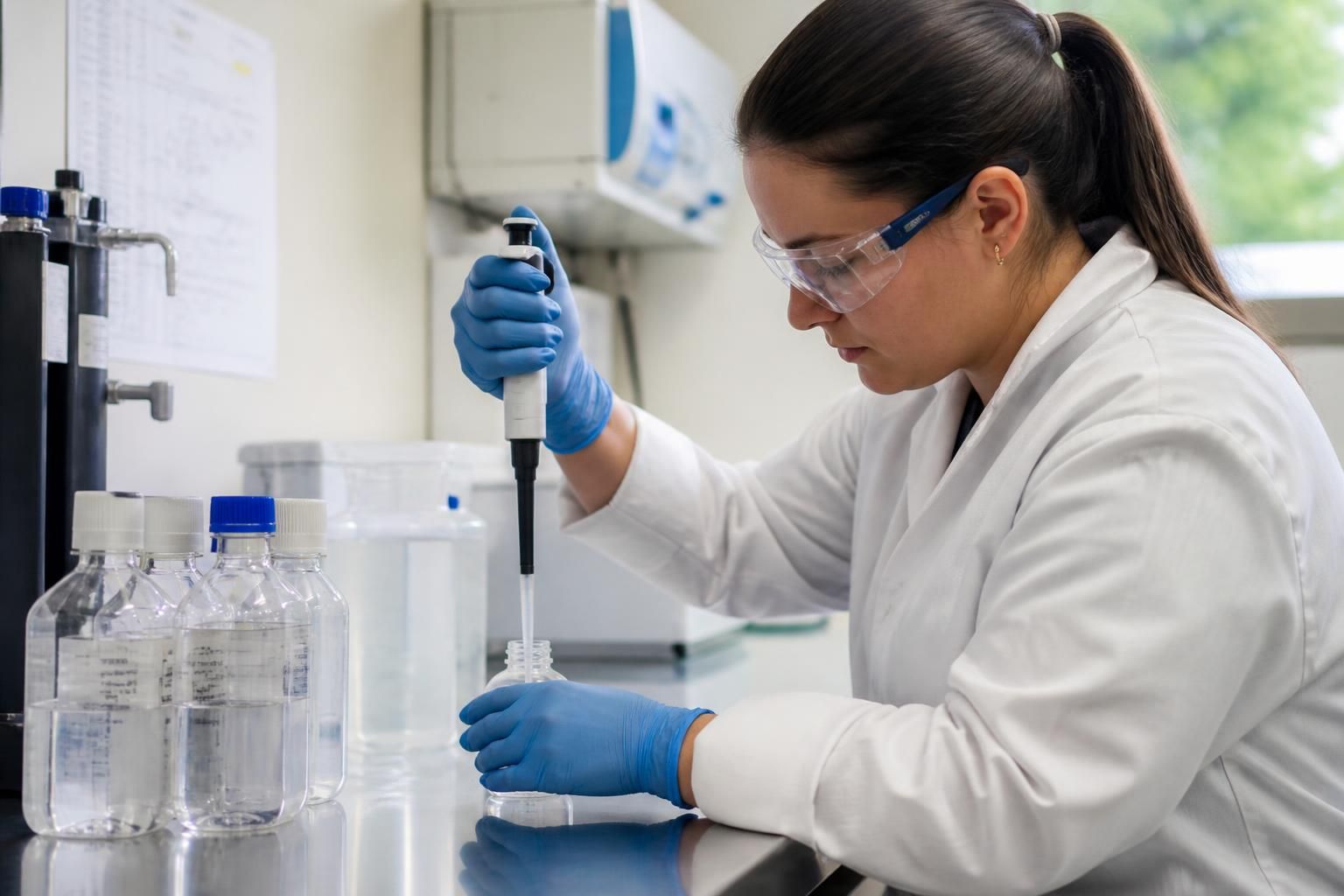
Laboratory water testing is necessary when the risks associated with a commercial water system require microbiological evidence that cannot be obtained through inspection, temperature checks or operational monitoring alone. The decision should be based on the system’s risk assessment, its users, the potential for exposure and the level of assurance required by the organisation’s water safety arrangements.
Testing is particularly important where exposure could have serious consequences. This may include premises used by people who are more vulnerable to infection, such as healthcare settings, care facilities and some supported living environments. It may also be appropriate in hotels, leisure facilities, schools, offices and industrial sites where showers, spray-producing outlets, stored water or complex distribution networks create opportunities for exposure.
A commercial system is more likely to need laboratory analysis where it contains features that make microbiological conditions difficult to predict or control. Examples include:
- storage tanks, calorifiers or other parts of the system where water can remain relatively still;
- long or complicated pipework runs with infrequently used outlets;
- showers, spray taps, whirlpool equipment or other outlets that can generate aerosols;
- multiple buildings, departments or tenants supplied from the same water system; and
- areas where water temperatures, flow or turnover vary significantly between outlets.
Reoccupation after prolonged closure can also justify testing. A building that has been unused may have experienced stagnation, reduced turnover and altered operating conditions. Before normal use resumes, the responsible person should consider whether sampling is needed alongside flushing, disinfection, inspection and other recommissioning measures. The appropriate approach depends on the system and the findings of its risk assessment.
The purpose of the analysis determines what should be tested. Legionella analysis may be selected where the system presents a legionellosis risk and a laboratory result is needed to inform control decisions. Other microbiological tests can examine general water quality or indicate faecal or environmental contamination. Depending on the premises and the source of concern, analysis may include:
- Legionella species and, where relevant, Legionella pneumophila;
- heterotrophic or total viable counts, used to assess general microbiological conditions and changes over time;
- coliform bacteria and Escherichia coli, where evidence of contamination needs to be investigated; and
- Pseudomonas aeruginosa or other organisms where the setting, water use or risk assessment makes them relevant.
Not every commercial system needs every parameter. Testing for organisms that are unrelated to the identified risk can produce results that are difficult to interpret and may not improve control. The sampling plan should therefore state why each parameter has been selected, which outlets will be sampled and how the results will be assessed.
Laboratory testing may be needed when operational results are uncertain or inconsistent. For example, repeated temperature readings that do not provide a clear picture of conditions, unusual variation between outlets, recurring maintenance concerns or unexplained changes in water quality may warrant targeted sampling. Laboratory results can help establish whether further investigation is proportionate, but they should be considered with temperature records, inspection findings, maintenance information and the system schematic rather than in isolation.
Testing can also be required to support internal governance, client requirements, insurance conditions, regulatory scrutiny or an audit trail for a water safety plan. In these situations, the value of the result depends on a defensible sampling method, suitable preservation and transport, clear identification of sample points and analysis by a competent laboratory. UKAS-accredited water testing can provide an appropriate level of confidence where formal evidence is required.
How often sampling is necessary is risk-based rather than universal. A fixed interval that is suitable for one building may be unsuitable for another. The responsible person should consider the system design, occupancy, vulnerable users, previous findings, control performance and any relevant guidance or contractual requirements. Results should be reviewed as a trend: a single result is a snapshot, while repeated sampling from comparable locations can show whether conditions are stable, deteriorating or improving.
Laboratory testing does not replace a legionella risk assessment or day-to-day control measures. It is one part of a wider management process that may include monitoring, cleaning, disinfection, maintenance, corrective action and staff training. Blue Fish Water Management Ltd can help businesses determine whether laboratory evidence is justified, select suitable analyses and interpret results within the wider requirements of their commercial water system.
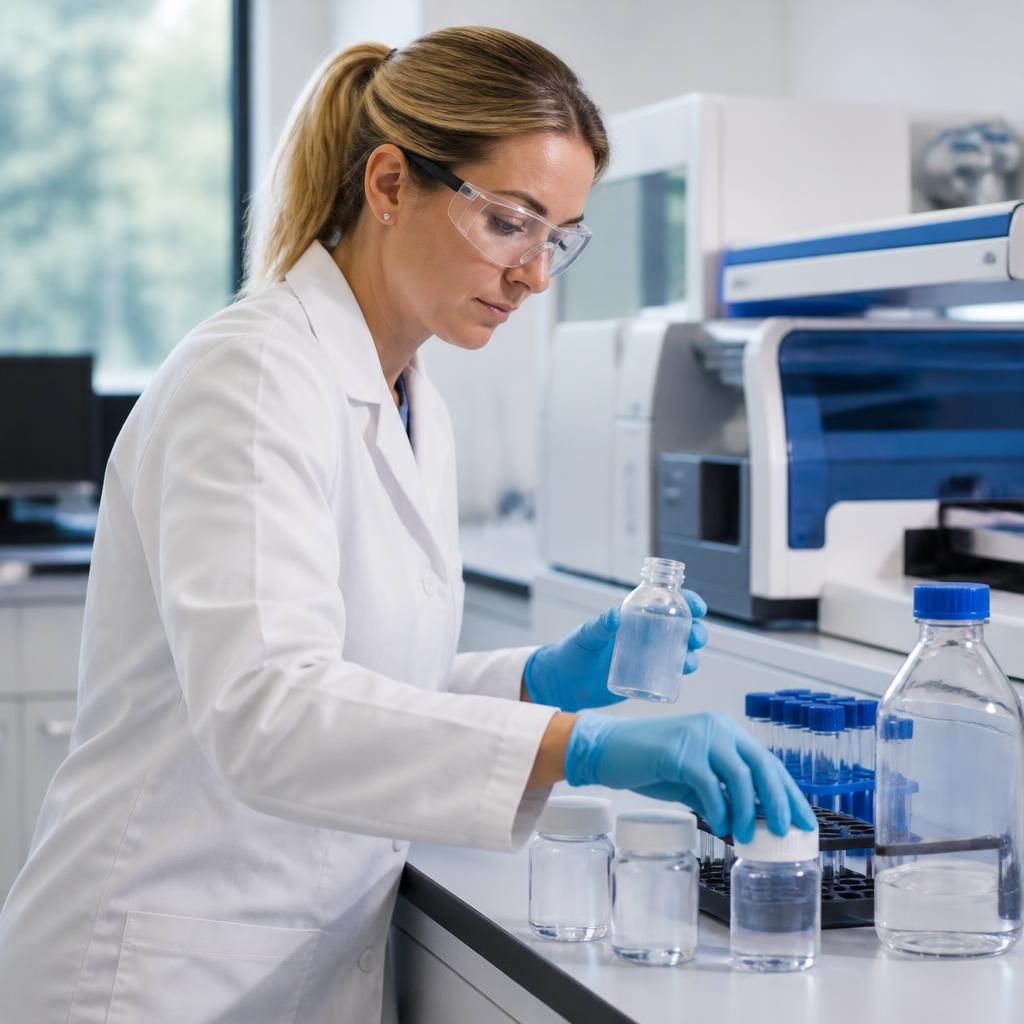
Commercial laboratory water testing may be necessary when a business needs objective evidence to support a formal decision, such as accepting a newly commissioned system, transferring responsibility for a premises or providing documented assurance to a client, landlord, insurer or auditor. In these circumstances, sampling should be planned around the decision it needs to inform rather than arranged as a standalone exercise.
The sampling brief should define what the result is expected to establish, which locations represent the system and what action will follow each possible outcome. This gives the laboratory analysis a clear purpose and helps the responsible person use the findings consistently within the water safety management process.
Discuss Your Commercial Laboratory Water Testing Needs
Discuss your commercial laboratory water testing needs with Blue Fish Water Management Ltd to clarify the evidence your water safety arrangements require and define a suitable testing brief.