
Water Hygiene Risk Assessments
A water hygiene risk assessment examines how water systems are designed, used and maintained to identify Legionella hazards and required controls. Explore Blue Fish Water Management’s UK-wide assessment, testing and compliance support to determine the right approach for your organisation.

Which Water Hygiene Risk Assessment Approach Is Right for Your Organisation?
Which type of water hygiene risk assessment suits your organisation?
Choose a standard assessment for straightforward systems, a detailed survey for complex or higher-risk installations, or review-led support where records already exist. Consider compliance duties, condition, scale, timescale and budget.
Read moreHow do water hygiene risk assessment methods differ?
Methods differ in inspection depth, evidence reviewed and reporting detail. Selection should reflect compliance duties, system condition, scale, timescale and budget, with complex installations requiring more detailed scrutiny and follow-up.
Read moreWhen is a detailed water hygiene risk assessment necessary?
A detailed assessment is necessary where systems are extensive, interconnected, altered, poorly documented or used by vulnerable people. It traces risks across storage, distribution, outlets, temperature control and maintenance arrangements.
Read moreWhat should a water hygiene risk assessment include?
A water hygiene risk assessment should document system ownership, schematics, usage patterns, vulnerable occupants, control measures, monitoring arrangements, maintenance records, deficiencies, responsibilities and prioritised recommendations, creating auditable basis for management.
Read moreCan one water hygiene risk assessment approach suit every organisation?
No single approach suits every organisation: selection depends on system complexity, risk profile, available evidence, operational changes, statutory responsibilities, required assurance, inspection scope, timescale, budget and objectives for effective management.
Read moreA More Practical Approach to Water Hygiene Risk Assessments
Choosing an assessor involves more than checking technical credentials. Blue Fish Water Management combines pragmatic interpretation, recommendations tailored to each system, national coverage, sector experience and consistent support for long-term water hygiene management, helping organisations understand and act on findings.
Assessment based on the real system
Blue Fish examines how water systems are designed, operated and maintained, rather than relying on a generic checklist. This helps identify hazards arising from the specific building, equipment and patterns of use.
Clear findings and priorities
Assessment findings are explained in practical terms, distinguishing significant control issues from lower-priority observations. This gives responsible organisations a clearer basis for deciding what needs attention first.
Recommendations suited to the site
Recommendations are developed around the system’s condition, use and management arrangements. The result is a proportionate action plan that supports informed decisions about monitoring, remedial work and ongoing control.
Experience across working environments
Experience across domestic, industrial and commercial settings supports a more relevant assessment of how people use water systems and how operational practices can affect Legionella control.
Support beyond the report
A risk assessment is most useful when its conclusions inform continuing water hygiene management. Blue Fish builds its advice around ongoing client relationships, helping organisations interpret findings alongside testing, audits, monitoring and training where appropriate.
From Assessment Findings to Ongoing Control
A water hygiene risk assessment is a documented review of the people, procedures, equipment and records associated with a water system. It should identify vulnerable users, relevant control measures, sampling requirements and any gaps requiring attention, providing a clear basis for managing Legionella risk.
A properly managed engagement produces a structured report, prioritised actions and supporting evidence that can be retained for compliance purposes. Where required, follow-through may include water sampling, temperature monitoring, record reviews, staff guidance and practical remedial recommendations, helping the responsible person maintain control over time.

System Design and Use Review
The assessment considers how a water system is designed, configured and used, including the conditions that may allow Legionella hazards to develop. Reviewing the system in context helps identify where controls need to reflect actual operational practices.
Records and Procedure Checks
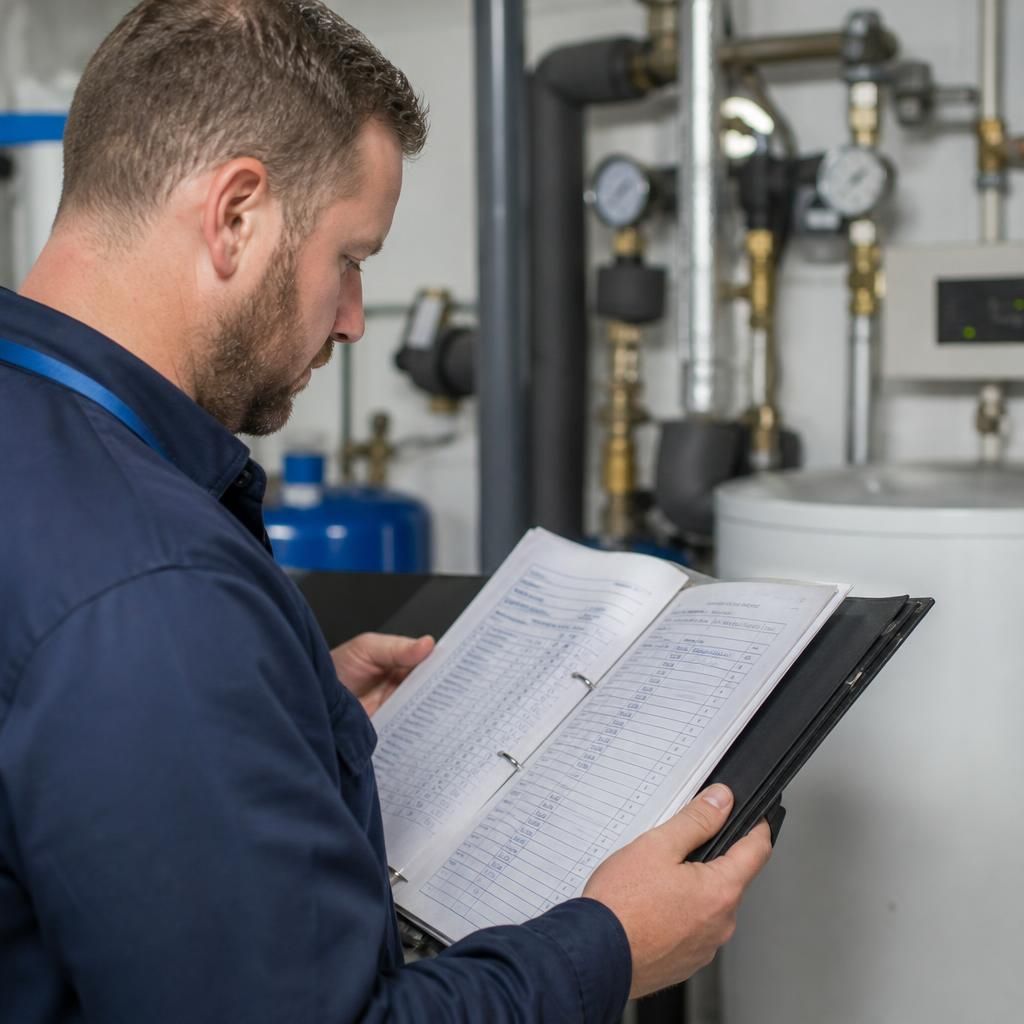
Relevant maintenance records, monitoring procedures and existing control documentation are examined alongside the physical system. This helps establish whether arrangements are suitable, consistently applied and supported by reliable evidence.

Risk-Based Control Advice
Findings are translated into practical control advice for the responsible person and other relevant duty holders. Recommendations are aligned with the identified hazards, system use and the needs of people who may be particularly vulnerable to exposure.

Clear Assessment Reporting
A documented report sets out the assessment findings, identified risks and recommended controls in a format that can support internal decision-making. Prioritised actions make it easier to distinguish immediate attention from longer-term improvements.

Evidence for Compliance
The assessment creates a traceable record of how Legionella risks have been considered and managed. Supporting documentation can be retained with other water hygiene records and used during compliance audits or management reviews.

Practical Follow-Through
Where assessment findings identify deficiencies, the next steps may include targeted remedial recommendations, further testing, monitoring or staff guidance. This keeps the assessment connected to the practical work required to maintain effective control.
Questions to Ask Before Appointing a Provider
Appointing a provider for a water hygiene risk assessment involves checking that its competence, scope and working methods match your organisation’s water systems and responsibilities. Ask who will carry out the work, what qualifications or accreditation support their services, which standards guide the assessment, and whether relevant higher-risk features or vulnerable users will be considered.
Before agreeing terms, clarify what the report will contain, who is responsible for supplying information, the expected timescales, how recommendations will be prioritised and what support is available afterwards. Comparing these points, alongside the total cost and any follow-on services, helps you judge whether the proposed assessment provides useful, proportionate value.
Checking competence and accreditation
Request information about the assessor’s training, technical experience and quality assurance arrangements. If the proposal includes sampling or laboratory analysis, establish whether the testing is covered by appropriate UKAS accreditation and which activities that accreditation applies to. Accreditation for testing should not automatically be treated as accreditation for the risk assessment itself, so ask the provider to distinguish between the two.
Before appointing a provider, give them enough information to understand the premises, water systems, occupancy and existing control arrangements. Ask for any assumptions to be recorded in the proposal, so the agreed scope can be checked before the assessment begins.
Once you have compared responses, choose an assessment that produces clear, usable evidence for your water safety records and defines the next steps if deficiencies are found. The completed report should support informed decisions rather than sit separately from your ongoing water hygiene management.
Discuss Your Water Hygiene Risk Assessment Requirements
Contact Blue Fish Water Management to clarify your assessment requirements. We can discuss the relevant scope, explain proportionate options and prepare a tailored quotation or sensible next step, without committing your organisation to an unsuitable solution. Send your enquiry today.