
Which Laboratory Water Testing Service Fits My System?
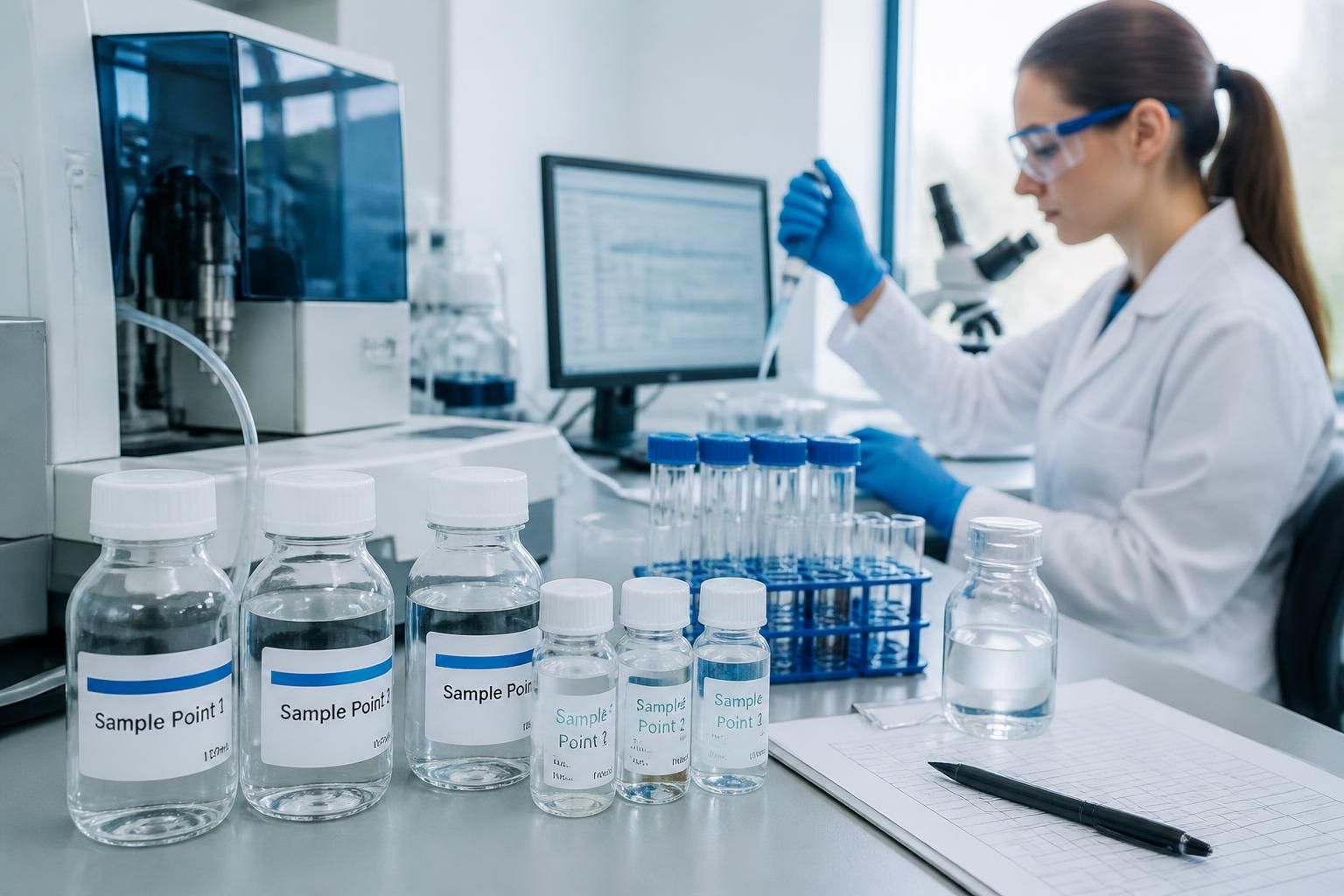
A suitable laboratory water testing service is one that matches the analytical method, sample process and reporting format to the water system being assessed. The correct choice is not determined by the laboratory’s general range of tests alone; it depends on the system’s design, its use, the control measures in place and the decision the results need to support.
Start with the type of water system
Different systems create different sampling and analytical requirements. A domestic hot and cold water system in a managed property may require a different testing approach from a cooling tower, spa pool, healthcare water system or process-water installation. Factors such as stored water, recirculation, temperature control, stagnation, aerosol generation and vulnerable occupants can affect which tests are relevant.
For example, a building with showers and stored hot water may need testing that supports legionella control and verification of the management regime. A cooling system may require analysis linked to aerosol risk and the condition of the circulating water. A process installation may require chemistry or microbiological tests selected around the production process rather than a standard domestic water panel.
Define why the samples are being tested
The reason for testing should be agreed before samples are collected. Common purposes include:
- routine monitoring within a water safety plan;
- investigating an unexpected change in system condition;
- checking a system after cleaning, disinfection or other remedial work;
- supporting a risk assessment or compliance review;
- establishing baseline information for a newly commissioned or altered installation; and
- investigating a suspected microbiological problem.
A routine monitoring programme may use a defined set of locations and parameters over time. An investigation may need a wider or more targeted sampling plan, particularly where the source of a result is uncertain. Testing after remedial work also needs to be timed and interpreted appropriately; a result can only demonstrate what was present in the sampled locations at the time of collection.
Choose parameters that answer the practical question
Laboratory water testing can cover microbiological, chemical and physical parameters, but a larger test panel is not automatically more useful. The selected parameters should relate to the hazard under consideration and the controls being checked.
Depending on the system and purpose, this may include legionella analysis, general bacterial indicators, coliforms, Escherichia coli, Pseudomonas aeruginosa, total viable counts or selected chemical parameters such as metals. Temperature, pH, disinfectant residual and other field observations may also be important, although these are not always measured by the laboratory itself.
Ask the laboratory or water hygiene specialist to explain why each parameter has been included. If a test is not relevant to the system or cannot inform a management decision, it may add cost and complexity without improving understanding. Conversely, omitting a relevant parameter can leave an important control question unanswered.
Check the laboratory’s technical competence
The laboratory should be able to demonstrate that it uses suitable, validated methods for the organisms or substances being tested. For formal compliance or risk-management purposes, check whether the particular test is covered by the laboratory’s UKAS accreditation rather than assuming that every service listed by a provider has the same status.
Technical competence also includes the laboratory’s arrangements for sample receipt, storage, analysis, quality control and result interpretation. The laboratory should be able to state the required sample containers, minimum volumes, preservation conditions and acceptable time between collection and analysis. These details can affect whether a result is representative and whether the sample can be processed at all.
Consider how samples will be collected
The testing service should provide clear instructions for sampling points, containers, labelling, transport and documentation. Sampling locations should be selected to reflect the risk assessment and the structure of the system, rather than chosen only because they are convenient to access.
For legionella and other microbiological tests, collection technique can be particularly important. The sampler may need to record the outlet, location, date, time, temperature and relevant disinfectant or operational information. Samples must be protected from contamination and transported under the conditions specified by the laboratory. If the service includes sampling by a water hygiene professional, confirm that the sampling plan will be documented and that any access limitations or unusual system conditions will be recorded.
Look for reports that support decisions
A useful laboratory report should identify the client or site, sample locations, collection and receipt details, the parameters tested, the analytical methods used, results, units, reporting limits and any relevant qualifications. It should make clear whether a result is detected, not detected, below a reporting limit or otherwise subject to a limitation.
Where interpretation is provided, it should be kept distinct from the measured result. A laboratory report is evidence from defined samples; it is not, by itself, a complete assessment of the whole water system. Results need to be considered alongside system design, operational records, temperatures, maintenance, previous results and the findings of the water risk assessment.
Match the service to the level of support required
Some organisations need analysis only, while others require help with the sampling plan, result review and follow-up actions. A suitable service may therefore include one or more of the following:
- advice on the scope and frequency of sampling;
- site sampling using documented procedures;
- laboratory analysis by appropriate methods;
- comparison of current findings with previous results;
- technical explanation of unusual or positive findings; and
- recommendations for further investigation or remedial work where justified.
For organisations managing several properties, consistency is also important. Using an agreed approach to sample identification, reporting and record retention makes results easier to compare and helps demonstrate how monitoring forms part of the wider water safety process.
Questions to ask before appointing a service
- Which parameters are recommended for this specific system, and why?
- Are the relevant analytical methods covered by UKAS accreditation?
- Who will design the sampling plan and collect the samples?
- What information must be recorded at each sampling point?
- How will samples be preserved and transported?
- What will the report show if a result is positive, atypical or subject to a limitation?
- Can the findings be reviewed alongside the site’s risk assessment and control records?
Blue Fish Water Management Ltd provides UKAS-accredited water testing alongside legionella risk assessment, compliance and water hygiene support. This allows the testing approach to be considered in relation to the wider management of the system, rather than treating laboratory results as isolated figures. For a B2B water system, the best-fit service is the one that produces technically reliable evidence and makes that evidence usable within the organisation’s documented water safety arrangements.
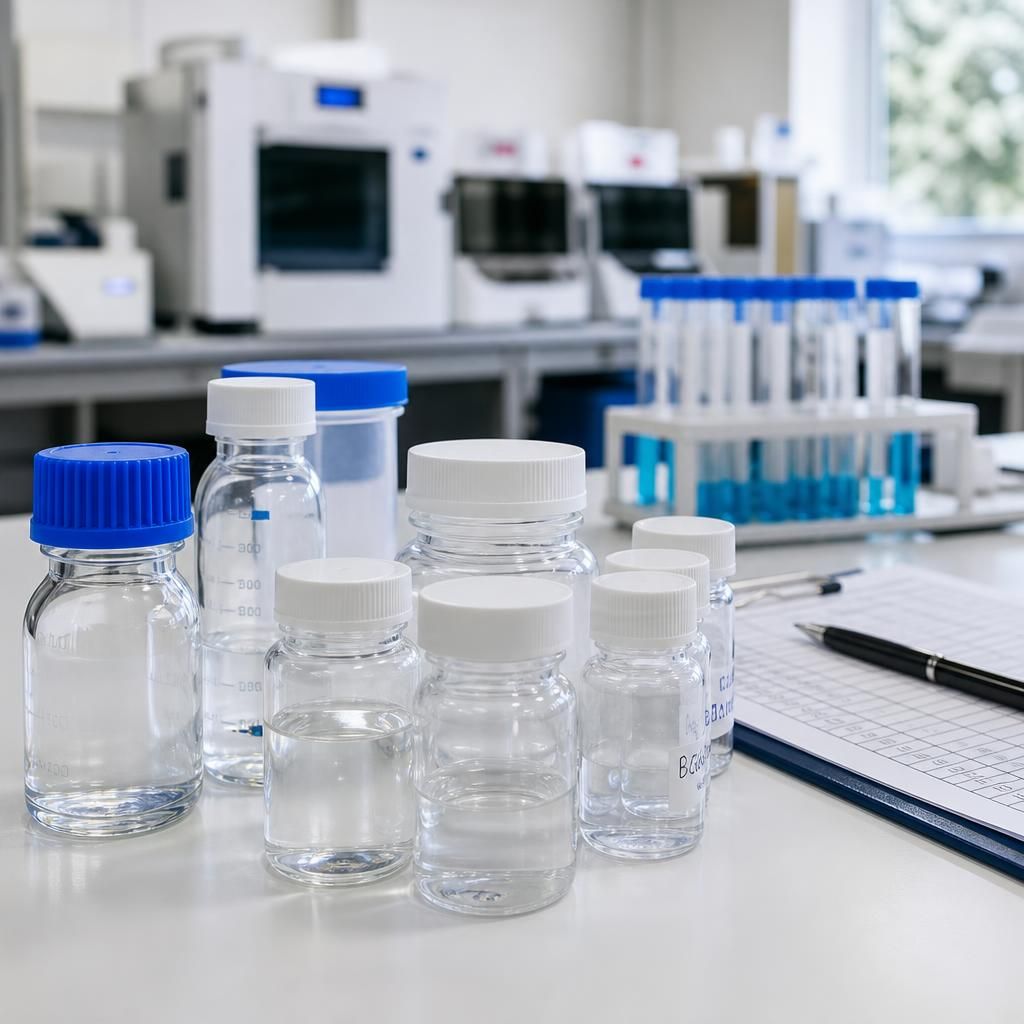
The most suitable laboratory water testing service should fit the way your organisation manages results, not just the type of water system being tested. Before appointing a provider, establish who will authorise sampling, receive the reports, review unusual findings and record any resulting actions. This avoids technically valid results being separated from the organisation’s water safety responsibilities.
For multi-site or periodically monitored systems, check that the service can maintain consistent site references, sample-point descriptions and reporting conventions. A clear audit trail makes it easier to identify changes between sampling rounds and demonstrate how laboratory evidence has been considered within the system’s ongoing management.
Find the Right Laboratory Water Testing Service for Your System
If you need to determine the appropriate testing scope for your water system, speak to Blue Fish Water Management Ltd about your system type, sampling purpose and reporting requirements. Their team can help identify a suitable next step for your organisation’s water safety arrangements.