
Water Tank Leak Repair
Water tank leak repair addresses failures in storage tanks serving commercial, industrial and domestic premises. Blue Fish Water Management assesses the source, recommends proportionate remedial work and helps restore watertight, hygienic systems that support safe water management and compliance.
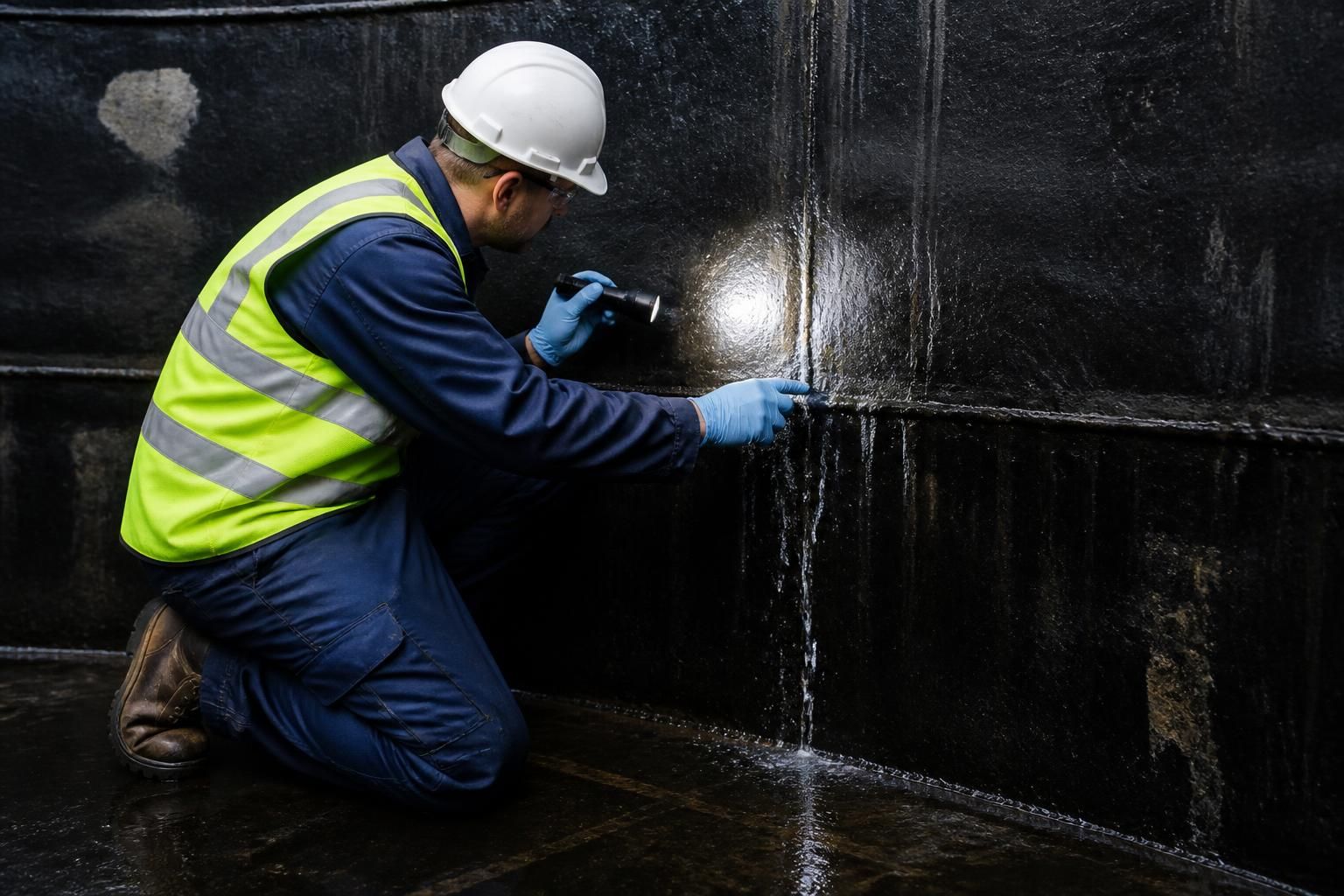
Repair Priorities
Identify leaks promptly, protect water quality, meet UK safety responsibilities and obtain clear remedial recommendations for practical, informed maintenance decisions.
What Water Tank Repair Includes
Repair work begins by examining the tank, connections and surrounding evidence to identify the leak source and assess its significance. Findings help determine whether targeted remedial work is suitable or whether the tank’s condition requires a broader repair approach.
The engagement records hygiene and structural considerations, giving responsible persons a clear basis for maintenance planning and decisions about continued use.
Leak Source Assessment
The tank, associated fittings and visible evidence of water loss are examined to establish where the failure has occurred.
Condition and Risk Review
The assessment considers the tank’s structural condition and any implications for water hygiene, continued use and maintenance planning.
Proportionate Repair Options
Recommendations distinguish between targeted remedial work and a broader repair approach where the tank’s condition makes limited intervention unsuitable.
Hygienic Repair Planning
Repair decisions take account of the need to protect stored water and maintain hygienic conditions throughout the tank’s use.
Clear Remedial Findings
The engagement provides responsible persons with documented findings and practical recommendations to support informed maintenance decisions.
Water Tank Repair Findings and Compliance Records
A practical repair service should provide more than a sealed tank: it should include documented observations, repair details, materials or components used, photographs where appropriate, and recommendations for inspection, monitoring and any follow-up actions required by the system.
Leak Source Assessment
Investigate the tank, fittings and connected pipework to distinguish the point of leakage from related defects such as damaged seals, corrosion or structural deterioration.
Hygiene-Conscious Repair Planning
Recommend remedial work that considers the tank’s construction, use, condition and water hygiene requirements, with repair methods selected to support a safe, serviceable installation.
Qualified Technical Expertise
Apply practical water management knowledge to assess the significance of the defect and identify when further inspection, testing or specialist remedial work should be considered.
Photographic and Technical Evidence
Provide suitable photographs and supporting technical notes where appropriate, helping responsible persons understand the defect, its location and the condition of the repaired area.
Clear Repair Documentation
Record the work completed, relevant materials or components used and any limitations identified, creating an accessible reference for future maintenance and compliance reviews.
Follow-Up Recommendations
Set out proportionate recommendations for inspection, monitoring or additional action so the repaired tank can be incorporated into ongoing water safety management.
Questions to Ask About Water Tank Leak Repair
When does a leaking water tank need replacement?
Assessment typically considers tank construction, access, fittings, water condition and leak severity. Repair may involve component replacement, sealing or specialist remedial work, followed by verification and documentation for the repair.
Read moreCan water tank leaks be repaired without draining the system?
Some localised repairs can proceed without full drain-down, depending on leak location, tank design, water use and safe access. Assessment confirms whether isolation or drainage is required before work begins.
Read moreHow is the source of a water tank leak identified?
Technicians trace the leak through visual inspection, fittings, joints, accessories and surrounding surfaces, then use testing to distinguish tank damage from condensation, pipework failures or overflow issues before specifying repair.
Read moreHow are repaired water tanks checked for continued watertightness?
Checks may include visual examination, controlled filling, observation of joints and fittings, and review of surrounding areas. Findings should be recorded, with further monitoring specified where necessary for the system.
Read moreWhat causes water tank leaks to recur after repair?
Recurrence commonly results from unresolved movement, degraded seals, unsuitable repair materials, vibration, corrosion, or pressure changes. Identifying the underlying mechanism, rather than resealing repeatedly, informs corrective work and maintenance planning.
Read moreHow Water Tank Leak Repairs Are Assessed and Documented
Water tank leak repair involves establishing the leak’s location, likely cause and effect on the wider water system before remedial work is selected. The assessment considers tank condition, access, connections, valves and surrounding equipment so that the proposed response is based on the actual defect rather than an assumption about its source.
Findings should be explained in clear terms, including any limitations, risks and available repair options. Where a repair is unsuitable or further investigation is needed, the recommended next step should be stated separately, allowing responsible persons to review the advice, authorise appropriate work and retain a transparent record for future maintenance decisions.
What the inspection considers
The assessment reviews visible water loss, tank surfaces, joints, access points, inlet and outlet connections, overflow arrangements and nearby components. Where access or operating conditions restrict the inspection, that limitation is recorded so the findings are not presented with more certainty than the evidence allows.
Once the findings have been reviewed, the responsible person can approve the appropriate repair scope or arrange further investigation where the defect requires closer examination. This keeps decisions proportionate to the tank’s condition and the system’s operational requirements.
Blue Fish Water Management can then provide practical remedial advice that supports the client’s maintenance records, helping ensure the repair and any continuing inspection requirements are understood by those responsible for the water system.
Discuss Your Water Tank Repair Requirements
To discuss a suspected tank defect, share your system details and arrange a suitable assessment, contact Blue Fish Water Management. The team can clarify the repair requirements, explain next steps and help you determine what information to provide.