
Water Quality Monitoring & Records
Water quality monitoring combines planned checks, recorded observations and test results to identify changes in water systems and support control measures. Blue Fish Water Management can help you choose proportionate monitoring and record-keeping arrangements for informed, auditable water safety decisions.

Which Water Quality Monitoring Approach Fits Your System?
Which water quality monitoring approach suits your system?
Select an approach according to compliance requirements, system condition, scale, timescale and budget: observations suit stable systems, targeted sampling addresses uncertainty, while continuous instruments support critical, variable environments or systems.
Read moreWhat should water quality monitoring records include?
Records should identify dates, locations, outlets, temperatures, observations, samples, laboratory results, corrective actions, responsible personnel and review dates, creating an evidence trail for decisions and compliance across relevant monitored systems.
Read moreHow do manual, targeted and continuous water monitoring differ?
Manual monitoring relies on scheduled observations and measurements; targeted monitoring investigates defined risks or anomalies; continuous monitoring uses instruments to track changing conditions, generating more frequent data and potential alerts.
Read moreWhat role does compliance play in selecting water monitoring methods?
Compliance requirements determine the evidence, frequency and competence needed from monitoring. Select methods that produce defensible records, align with applicable guidance, and demonstrate control without collecting disproportionate or irrelevant data.
Read moreHow does timescale affect water monitoring method selection?
Shorter monitoring timescales may suit temporary changes, commissioning or investigations, while longer intervals can support stable systems. Consider seasonal variation, trend development, escalation thresholds and the time available for review.
Read morePragmatic, Tailored Water Monitoring Across the UK
Blue Fish applies practical sector knowledge to each monitoring plan, matching recommendations to the system, premises and responsibilities involved. Ongoing client relationships support consistent record review and sensible adjustments as operational conditions, risks or compliance requirements change.
Monitoring with a clear purpose
Blue Fish links each check to the water safety risks it is intended to control, helping clients understand what should be monitored, by whom and how often.
Records that support accountability
Structured records bring observations, corrective actions and test results together, creating a clear evidence trail for responsible persons, audits and compliance reviews.
Experience across varied sectors
Recommendations reflect the practical differences between domestic, industrial and commercial water systems, rather than applying an unsuitable standard template.
Useful interpretation of results
Recorded trends and water test findings can be reviewed in context, helping distinguish isolated results from changes that may require investigation or control measures.
Advice that develops with the client
An established understanding of the site and its responsibilities supports informed refinements to monitoring arrangements as systems, risks or compliance needs change.
What Effective Water Monitoring Should Include
Water quality monitoring is the structured collection and interpretation of information about conditions within a water system, including relevant temperatures, disinfectant levels, visual observations and laboratory findings. A properly managed programme establishes what is checked, how results are documented, who reviews them and which findings require further investigation.
Effective records provide an evidence trail from assessment through to follow-up, bringing together sampling information, monitoring logs, identified deviations and completed actions. Expert review can help distinguish isolated results from developing control issues, support compliance audits and inform proportionate remedial work where the evidence indicates that intervention is needed.

Planned Monitoring Schedules
A monitoring schedule sets out which parts of a water system require checks, the relevant parameters and the frequency of review. Blue Fish Water Management can help align monitoring arrangements with the findings of a legionella risk assessment and the level of control required.
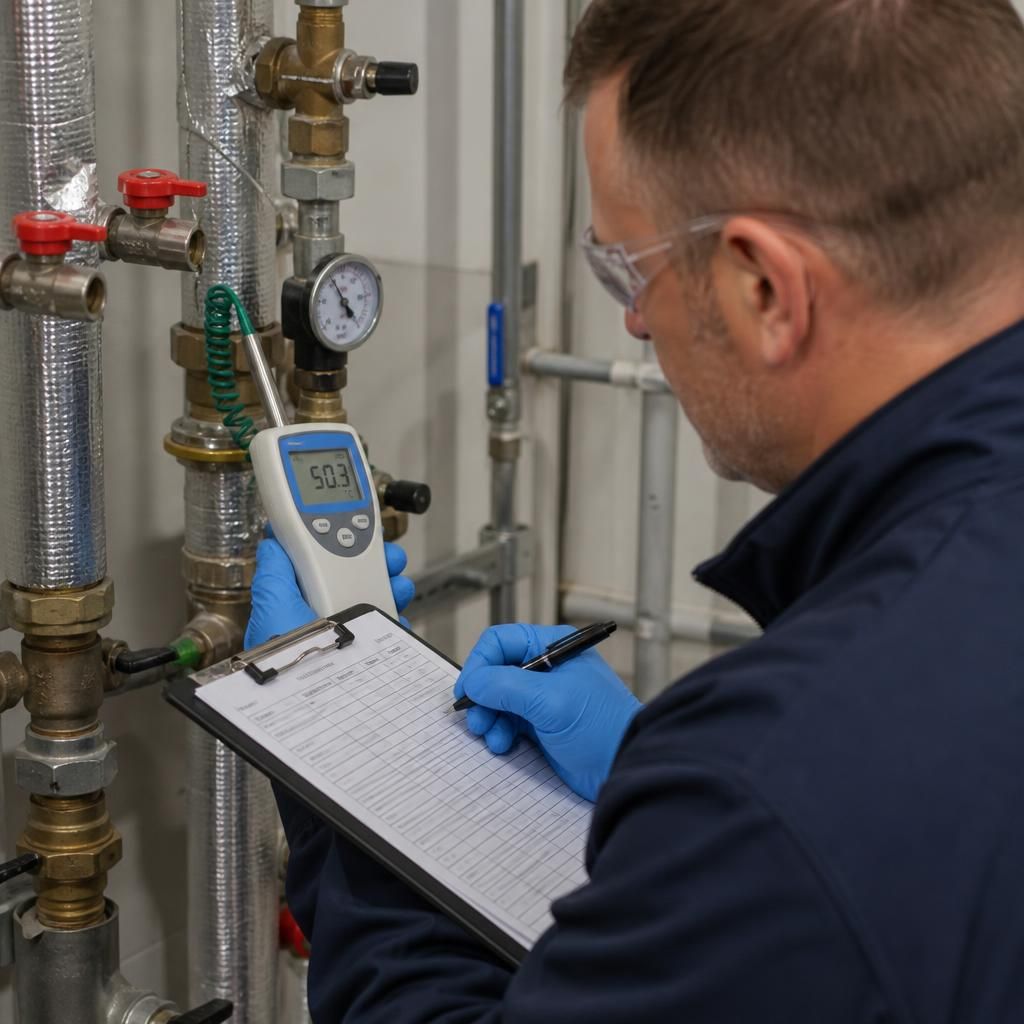
Temperature and Condition Checks
Recorded temperature observations can help identify conditions that may affect water safety control. Monitoring records can capture readings at relevant points alongside visual observations, helping reviewers identify changes, recurring issues or deviations requiring investigation.

Sampling and Test Results
Where laboratory testing is appropriate, sample details and results should be linked to the relevant location, date and system information. UKAS-accredited water testing provides a structured basis for interpreting findings and deciding whether further checks or action are warranted.
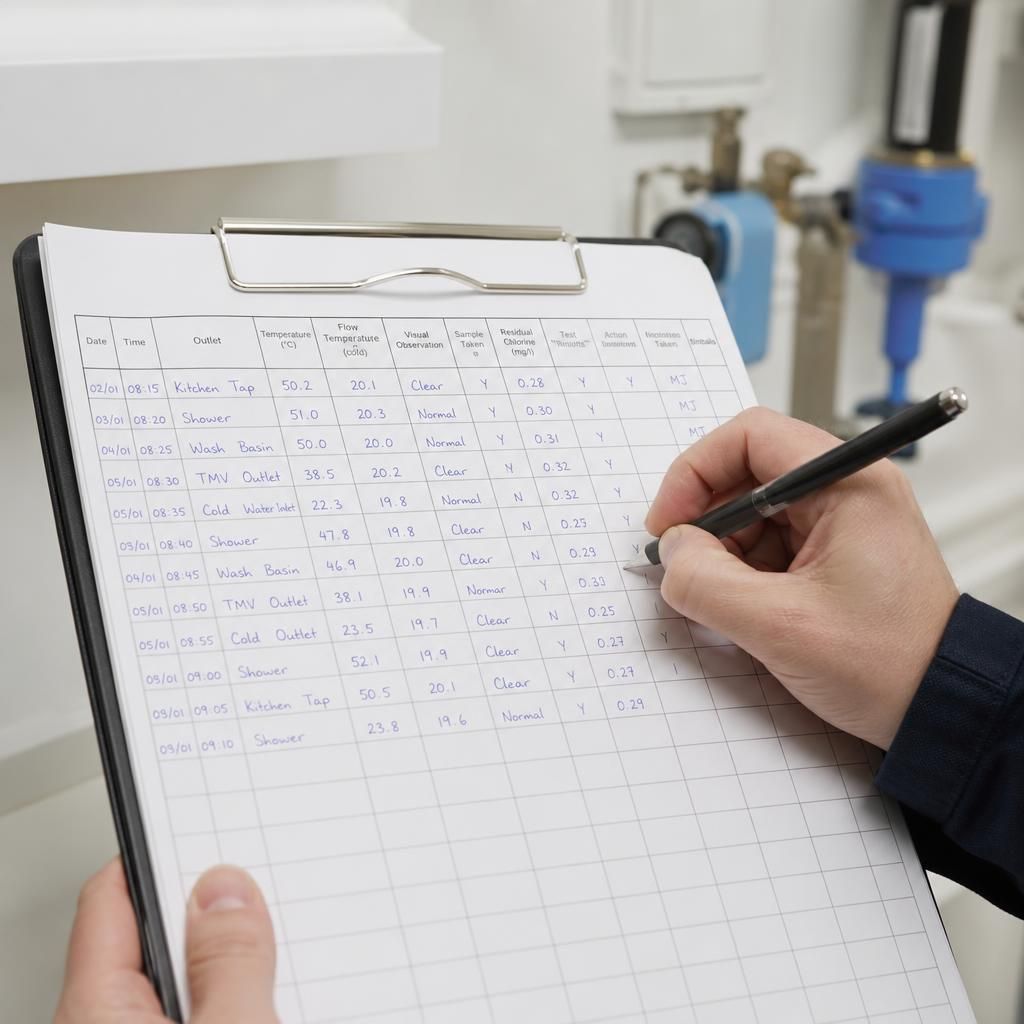
Clear, Traceable Records
Well-maintained records bring together monitoring logs, sampling information, test results, identified deviations and completed actions. This creates a usable evidence trail for internal review, compliance audits and future assessment of the water system.

Expert Review of Findings
Individual results need to be considered in context rather than viewed in isolation. Expert review can compare observations and test results with the established control measures, helping distinguish a one-off finding from a developing issue that needs further investigation.
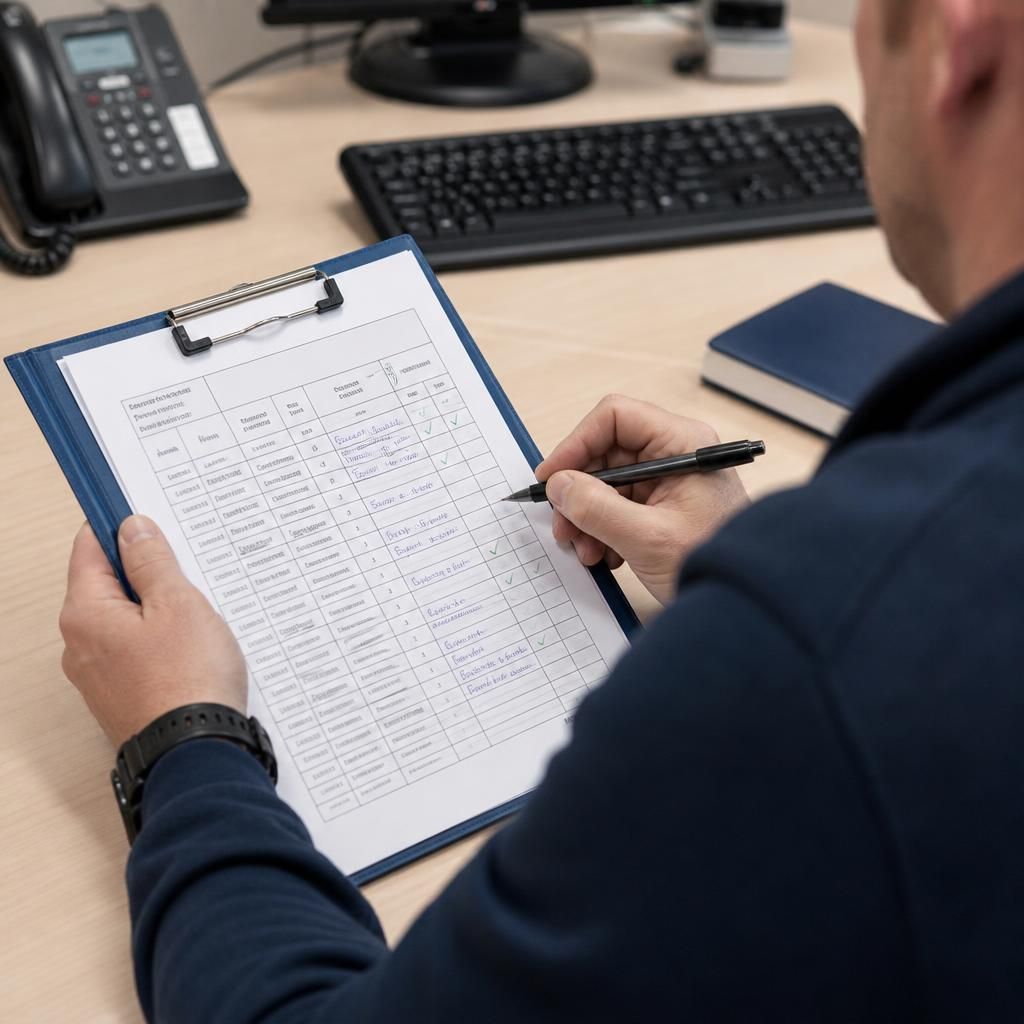
Action Tracking and Follow-Through
A monitoring programme should record what happens after an issue is identified, including the action taken, its status and any subsequent checks. This supports accountable follow-through and helps determine whether remedial work or additional monitoring is proportionate to the evidence.
Questions to Ask Before Choosing a Water Monitoring Provider
Choosing a water quality monitoring provider involves checking how its competence, accreditation and technical scope match the requirements of your water systems. Ask which parameters can be monitored, how sampling and measurements are controlled, and whether the provider can explain the significance of results rather than simply issuing data.
Before appointing a provider, clarify what the reports contain, who reviews findings, how responsibilities are divided and what support follows a concerning result. Confirm the expected timescales, record format, review arrangements and overall value so the monitoring programme is practical to maintain and provides useful evidence for water safety management.
Check qualifications, experience and accreditation
Ask which qualifications, technical procedures and relevant experience support the proposed work. Where laboratory analysis is included, establish whether the tests are undertaken through UKAS-accredited water testing arrangements and which specific methods or parameters are covered. Accreditation should be relevant to the service being commissioned, not treated as evidence that every activity has the same scope.
Once these points are clear, ask the provider to relate its proposed monitoring and records to your existing water safety arrangements. A sample report, example monitoring schedule and explanation of how exceptions are escalated can help you judge whether the service will produce usable evidence rather than isolated results.
Before appointing a provider, document the agreed scope, responsibilities and review process, including how records will be retained and how significant findings will be communicated. This gives your organisation a defined basis for managing water quality information and deciding when further investigation or corrective action is appropriate.
Discuss Your Water Monitoring Requirements
Contact Blue Fish Water Management to clarify your monitoring and record-keeping requirements. We can discuss your existing arrangements, outline proportionate advice and develop a tailored quotation or sensible next step, without committing you to an unsuitable solution. Submit an enquiry.