
Water Chemistry Testing: TOC, COD & BOD
Water chemistry testing measures organic pollution and oxygen demand using total organic carbon (TOC), chemical oxygen demand (COD) and biological oxygen demand (BOD) tests. Blue Fish supports commercial and industrial teams with evidence for compliance, investigations and safer water-system management.
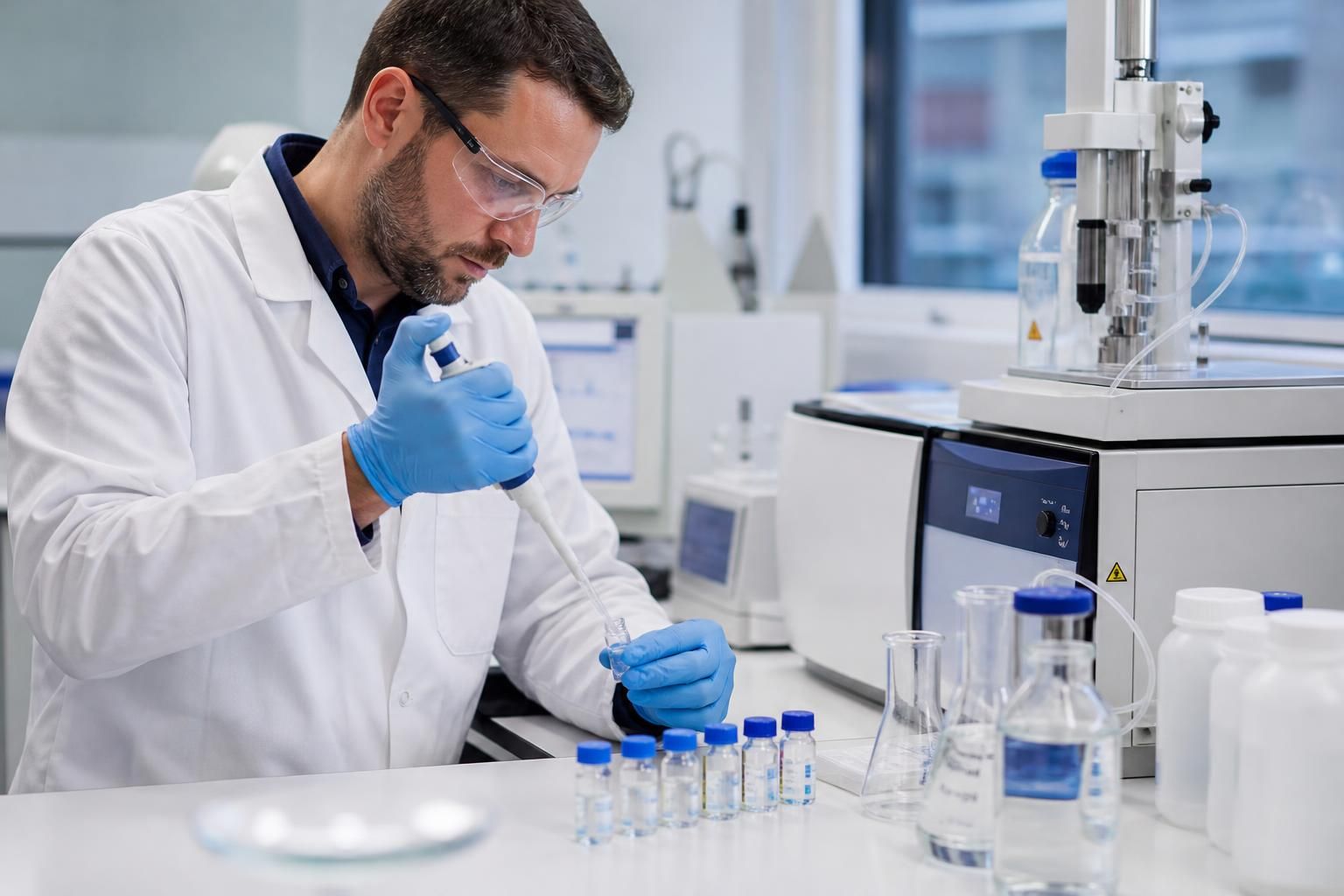
Choosing the Right Water Chemistry Test
Choose an approach according to whether you need an indication of organic loading, an estimate of oxygen demand, or evidence of biological activity. The decision, sampling context and reporting requirements help determine whether one test or a combined assessment is appropriate.
Total Organic Carbon (TOC)
TOC measures the carbon content of organic compounds in a water sample. It is suitable when the main requirement is an overall indication of organic loading, helping identify changes or investigate potential contamination without determining the oxygen demand directly.
Chemical Oxygen Demand (COD)
COD estimates the oxygen required to chemically oxidise substances in the sample. It provides a comparatively direct assessment of oxidisable material and can support investigations where the potential chemical oxygen demand is more relevant than biological breakdown.
Biological Oxygen Demand (BOD)
BOD assesses the oxygen consumed by microorganisms as they break down biodegradable organic matter. It is appropriate when the biological activity of the sample is important, particularly when interpreting the potential effect of biodegradable pollution on water quality.
Combined Testing
TOC, COD and BOD measure related but different characteristics, so a combined assessment may provide a more complete interpretation. Comparing organic carbon, chemical oxygen demand and biological oxygen demand can help distinguish overall loading from oxidisable or biodegradable material.
Practical Support for Water Chemistry Testing
Practical support covers sampling plans, sample preservation, laboratory coordination, method selection and clear reporting. Results are reviewed against the purpose of the investigation, relevant operational conditions and applicable UK compliance requirements, helping teams understand findings and determine proportionate next steps.
Sampling Plans
Sampling locations, frequencies and containers are selected to reflect the water system and the question being investigated. A documented plan helps produce representative samples and supports consistent comparison between results.
Sample Preservation
Samples are handled, labelled and preserved according to the requirements of the selected analysis. Correct storage and transport conditions help limit changes before testing, particularly where organic content or oxygen demand is being assessed.
Test Method Selection
TOC, COD and BOD measure related but different aspects of organic pollution. The appropriate test, or combination of tests, is selected according to the system, suspected source and compliance or investigation objective.
Laboratory Coordination
Blue Fish coordinates the testing requirements with the laboratory, including sample information, analytical scope and supporting documentation. This creates a clear link between field sampling and the reported result.
Results Review
Results are considered alongside sampling conditions, operational information and relevant water-quality criteria. Comparing TOC, COD and BOD findings can help identify patterns and guide proportionate technical investigation.
Clear Reporting
Reports set out the tests performed, sample details, results and relevant interpretation in a format suitable for internal records, compliance reviews and communication with responsible teams.
Which Water Chemistry Testing Support Is Right for Your System?
When is a chemical oxygen demand test appropriate?
TOC provides organic-carbon measurement, COD estimates chemically oxidisable demand, and BOD reflects biological demand; select the method according to system conditions, investigation objectives, compliance requirements and reporting needs.
Read moreWhat does total organic carbon testing reveal about water quality?
Total organic carbon testing reveals the concentration of carbon-based organic matter in a sample, helping identify pollution sources, assess treatment performance, and distinguish changing water conditions from consistent background levels.
Read moreWhen is a biological oxygen demand test needed?
Use a biological oxygen demand test when biodegradable organic matter and microbial oxygen consumption need assessment, particularly during treatment evaluation, pollution investigations, or where oxygen depletion could affect receiving waters.
Read moreWhat should a water chemistry testing report include?
Include sampling details, analytical methods, detection limits, units, quality-control information, results, interpretation and any limitations, with recommendations linked to the investigation’s objectives, relevant compliance responsibilities and documented system conditions.
Read moreWhen should water chemistry testing be repeated?
Repeat testing after significant changes to treatment, process conditions, water sources or discharge characteristics, or when results differ unexpectedly. Otherwise, use a documented, risk-based schedule aligned with monitoring requirements.
Read moreQuestions to Ask Before Commissioning Water Chemistry Tests
Water chemistry testing for TOC, COD and BOD measures different indicators of organic matter and oxygen demand in a water sample. Before commissioning a test, confirm which indicator is relevant to the suspected issue, the required detection range, sampling conditions and the decision the result must support.
Ask who will undertake the analysis, which methods and quality controls apply, how sample integrity will be maintained, and what the report will include. Also clarify reporting timescales, interpretation against the agreed criteria, responsibility for reviewing unusual results, and whether repeat sampling or ongoing monitoring is needed.
Match the test to the decision
TOC measures the carbon content of organic compounds, while COD estimates the oxygen required to chemically oxidise pollutants and BOD measures oxygen consumed by biological activity over a defined test period. Ask whether one test is sufficient or whether a combination is needed, and agree the expected concentration range, sample type and interpretation criteria before collection begins.
Once the testing brief is agreed, record the sampling location, date, system conditions and reason for testing alongside the result. This context helps distinguish a localised finding from a wider water-quality issue and prevents isolated figures being interpreted without regard to how the system was operating.
Use the completed report to document the decision taken, any corrective action and the evidence needed to verify that action. Where results are unexpected, a structured review of the sample, method and surrounding system information should come before conclusions are drawn.
Discuss Your Water Chemistry Testing Requirements
Discuss your water chemistry testing requirements with Blue Fish to clarify the most appropriate TOC, COD or BOD analysis for your investigation. Receive practical advice on defining the testing scope and selecting a suitable next step.