
Potable Water Chlorination for Safe Systems
Potable water chlorination is the controlled treatment of drinking water systems to reduce harmful microorganisms. Blue Fish Water Management supports domestic, commercial and industrial clients with assessment-led chlorination, verification and practical documentation for safer, demonstrably compliant water supplies.
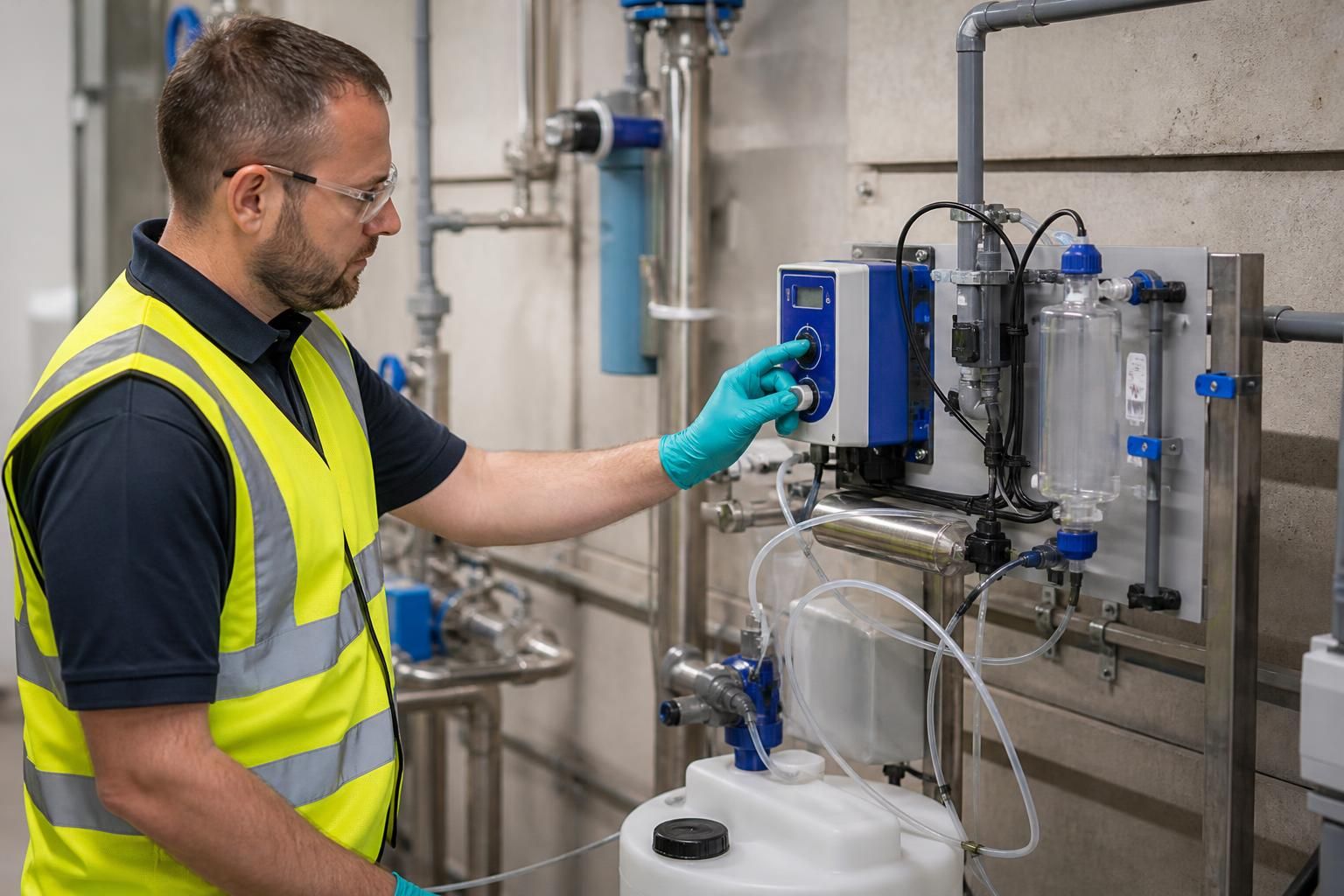
Which Potable Water Chlorination Approach Is Right for Your System?
Potable water chlorination can be structured around system commissioning, remedial treatment, or routine risk-led intervention. Comparing each approach by system condition, treatment scope, verification requirements and intended outcome helps responsible persons select proportionate work for their drinking water installation.
Commissioning Chlorination
Used for new, refurbished or substantially altered potable water systems before they are brought into service. The installation is isolated, dosed and flushed under a controlled procedure, with sampling used to verify that the system is suitable for use.
Remedial Chlorination
Designed for an existing system where contamination, unsatisfactory samples or identified hygiene concerns require corrective treatment. The scope should reflect the affected parts of the installation, followed by flushing, resampling and records showing whether further action is needed.
Targeted System Treatment
A focused approach for a defined section, outlet group or storage arrangement rather than the whole building. It can be appropriate where investigation identifies a localised problem and treating unaffected parts would be disproportionate.
Whole-System Chlorination
This involves coordinated treatment of the complete potable water installation, including storage, distribution pipework and relevant outlets. It may be considered where contamination could have spread through the system or where the condition cannot be reliably confined to one area.
Risk-Led Repeat Treatment
Repeat chlorination should not be treated as a substitute for investigating the cause of a failed result. Where risk assessment, monitoring or verification identifies continuing vulnerability, treatment may need to be combined with cleaning, remedial works, operational changes and a documented sampling plan.
What Potable Water Chlorination Support Includes
Potable water chlorination support should cover safe access and isolation, chemical control, contact conditions, post-treatment flushing, sampling arrangements and clear handover information. Each element should be recorded against the system so results can be reviewed and acted upon.
System Access and Isolation
Before treatment, the system is reviewed to identify tanks, pipework, outlets, valves and other components requiring access. Suitable isolation arrangements help prevent untreated water entering the system during chlorination and support safe, controlled work.
Controlled Chlorine Dosing
Chlorine is introduced using a controlled method appropriate to the potable water system. The treatment approach considers system condition, materials, water quality and the areas that must receive effective disinfection.
Contact Conditions
The disinfectant must remain in contact with internal surfaces for the specified treatment period. Measurements and observations during this stage help confirm that the required conditions have been maintained throughout the system.
Flushing and Restoration
Following treatment, the system is flushed thoroughly to remove chlorinated water and loosened residues. Outlets are checked as the system is returned to service, with the process managed to avoid leaving unsuitable water within the installation.
Verification Sampling
Post-treatment samples can be arranged from representative points to assess whether the system is suitable for return to use. Results provide objective evidence of the treatment outcome and identify where further action may be needed.
Records and Handover Information
The completed work is documented against the relevant system, including treatment details, measurements, sampling information and any observations. Clear handover records support compliance reviews, future maintenance planning and ongoing water hygiene management.
Potable Water Chlorination: Common Questions Answered
Who is responsible for arranging potable water chlorination?
Suitability depends on system design, occupancy, contamination history and duty-holder requirements. A competent assessment should define treatment, verification, sampling and records before treated supply is returned to normal use.
Read moreWhen is potable water chlorination required?
It is commonly required after contamination, prolonged stagnation, new installation, significant alteration, or remedial work, particularly where risk assessment, testing, or regulatory expectations identify inadequate microbiological control within the system.
Read moreHow can organisations choose appropriate potable water chlorination support?
Choose support according to system complexity, contamination history, organisational responsibilities and required evidence, checking that the provider can coordinate chlorination, sampling, interpretation and remedial recommendations within the project’s defined scope.
Read moreWhat information should a provider review before potable water chlorination?
A provider should review system plans, pipework, storage, outlets, occupancy, water-use patterns, contamination history, previous test results, isolation points, materials, access constraints, and duty-holder requirements before treatment is properly planned.
Read moreHow is potable water chlorination verified after treatment?
Verification requires laboratory analysis of representative post-treatment samples, review of chlorine residual evidence, and confirmation that microbiological results meet defined acceptance criteria before the system returns to intended service use.
Read moreQuestions to Ask Before Potable Water Chlorination
Before approving potable water chlorination, confirm which parts of the installation are included, why treatment is considered necessary, and how the proposed approach reflects the system’s design, use and risk profile. Ask who will carry out the work, what relevant competence they hold, and how the treatment criteria and timescales will be determined.
Agree what evidence will be supplied after completion, including treatment records, test results, deviations and any recommended corrective action. Clarify who is responsible for reviewing the findings, retaining the documentation and managing any follow-up monitoring or remedial work identified.
What should the scope document include?
The scope should describe relevant tanks, pipework, outlets, branches, storage arrangements and connection points, together with the planned isolation and access requirements. Ask how dead legs, low-use outlets, inaccessible sections and connected equipment will be addressed. If parts of the installation cannot be treated, the reasons and any resulting limitations should be recorded rather than assumed to be covered.
Use the answers to compare proposed treatments against the system’s actual configuration and risk, rather than selecting a method on price or speed alone. Before work starts, ensure the acceptance criteria are understood by everyone responsible for approving the system’s return to normal use.
After treatment, the results should be reviewed by a suitably informed person who can decide whether the system is ready for use or requires further action. Keep the completed information with the water safety records so future decisions can be based on the system’s treatment history.
Discuss Your Potable Water Chlorination Requirements
Discuss your potable water chlorination requirements with Blue Fish Water Management to clarify the appropriate treatment approach, evidence and follow-up for your system. Receive practical advice based on its configuration, intended use and water safety responsibilities.