
Diesel Tank Cleaning for Safer Storage
Diesel tank cleaning services remove sludge, water and other contaminants from storage tanks serving commercial, industrial and domestic operations. Cleaning helps protect fuel quality, reduce contamination-related risks and support more reliable, compliant fuel storage and equipment operation.
Compliance Focus
Documented diesel tank assessments establish cleaning priorities, support safe water systems, meet UK responsibilities, and provide a basis for action.
What Diesel Tank Cleaning Includes
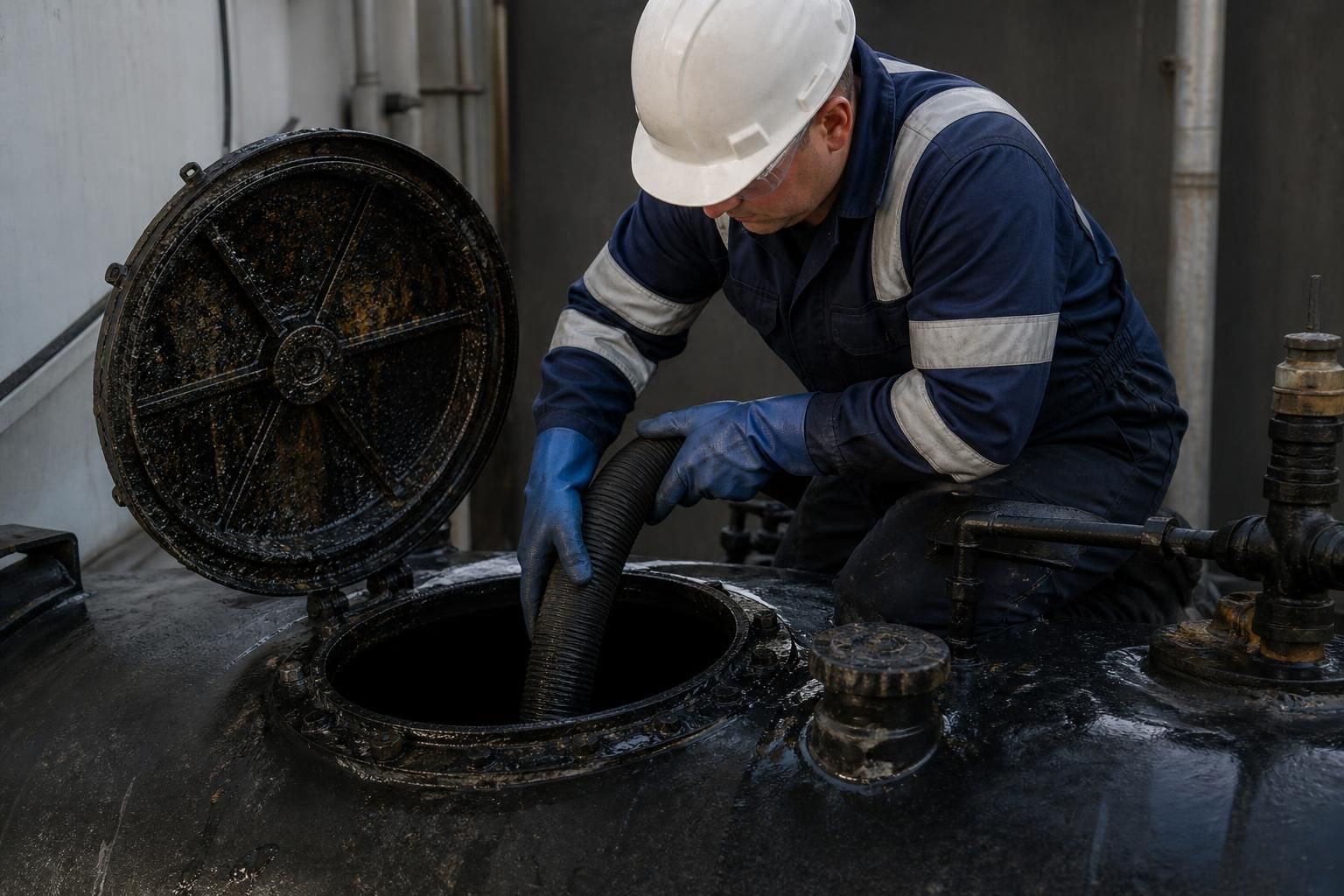
Diesel tank cleaning is a controlled service that restores the internal condition of fuel storage tanks. Planning considers tank design, access, fuel handling and inspection findings, allowing the method to suit the installation.
The engagement can include preparation, residue removal, waste handling and post-cleaning checks. Completion records document the work and identify maintenance considerations for future filtration or monitoring.
Defined Cleaning Scope
The service establishes the tank, fuel type, access arrangements and contamination concerns that determine the appropriate cleaning approach.
Safe Isolation
Fuel connections and associated equipment are considered as part of controlled isolation, helping prevent avoidable contamination or damage during the work.
Internal Tank Cleaning
Sludge, water, sediment and other deposits are removed from the tank to improve the condition of the fuel storage environment.
Responsible Waste Handling
Removed residues and contaminated materials are managed separately from usable fuel and handled in line with applicable waste requirements.
Completion Records
The completed service is recorded with relevant findings and maintenance considerations, giving responsible teams a clear basis for ongoing tank care.
Diesel Tank Cleaning Features and Deliverables
Diesel tank cleaning services provide a structured evidence trail alongside the physical work, with technical findings, cleaning decisions and completion details presented in a format suitable for responsible managers, contractors and compliance files.
Defined Cleaning Scope
A clear scope sets out the tank, connected equipment, access arrangements, isolation requirements and proposed cleaning method before work begins. This helps responsible managers understand what is included and what site controls are required.
Sludge and Water Removal
Cleaning removes accumulated sludge, free water, sediment and other contaminants from the tank. The work is documented so that the condition found and the actions taken can be reviewed after completion.
Tank Condition Findings
Inspection during cleaning can identify corrosion, residue build-up, damaged fittings, access limitations or other conditions affecting tank operation. These findings provide a practical basis for maintenance or remedial decisions.
Controlled Fuel Handling
Where fuel must be moved, separated or returned to the tank, the process is planned around contamination control and safe system reinstatement. The completion record distinguishes cleaning activities from any further work recommended.
Waste Documentation
Removed water, sludge and contaminated residues require appropriate handling and disposal. Waste documentation provides traceability for the materials taken from the tank and supports responsible site records.
Completion Report
The final report records the tank cleaned, the work completed, notable observations and any limitations affecting the result. It gives facilities and compliance managers a concise reference for future maintenance planning.
Practical Recommendations
Findings from the cleaning work can be used to identify follow-up actions, such as repairs, improved contamination controls or further monitoring. Recommendations are linked to observed tank conditions rather than presented as generic advice.
Questions About Diesel Tank Cleaning Services
When should diesel tank cleaning be carried out?
Before commissioning, confirm that the scope covers tank isolation, fuel removal, sludge and water extraction, internal inspection, safe waste handling, reporting, and recommendations to prevent recurring contamination within the system.
Read moreWhat does diesel tank cleaning involve?
The process typically covers isolation, fuel removal, sludge and water extraction, internal inspection, cleaning, safe waste handling, and documented recommendations for preventing contamination and maintaining tank integrity during subsequent storage.
Read moreWhat contamination indicates a diesel tank needs cleaning?
Visible sludge, sediment or dark fuel may indicate microbial growth, while free water, rust particles and cloudiness suggest corrosion or water ingress. Unusual odours and filter blockages also warrant investigation.
Read moreCan diesel tank cleaning be carried out without removing the tank?
In situ cleaning is often possible when tank construction, access points and safety controls permit. The method reduces dismantling, but fuel recovery, isolation and waste arrangements remain necessary on site.
Read moreWhat should be checked before returning a diesel tank to service?
Before returning a diesel tank to service, verify fuel quality, remove residual cleaning waste, confirm valves and fittings are secure, check alarms and gauges, and record findings and handover details.
Read moreHow Diesel Tank Cleaning Is Planned and Documented
Diesel tank cleaning is planned around the tank’s construction, access arrangements, retained fuel and operational requirements. Before work begins, the scope is clarified so that isolation, fuel transfer and any safety controls are understood, while issues requiring separate remedial attention can be identified.
Once cleaning is complete, the findings are explained in clear, practical terms. The information provided can distinguish the tank’s observed condition from recommended next steps, helping responsible managers decide whether further inspection, maintenance or monitoring is appropriate.
Establishing the cleaning scope
The assessment considers the tank construction, access points, fuel type, retained contents and connected equipment. This helps separate routine cleaning requirements from issues that may need specialist inspection, repair or other remedial work. Any agreed limitations can be recorded so that the final information accurately reflects the work undertaken.
After the cleaning report has been reviewed, any recommended follow-on action can be considered separately and prioritised according to the tank’s condition and operational needs. This gives responsible managers a clear basis for deciding what should happen next, while keeping the cleaning record distinct from any further maintenance or remedial work.
Discuss Your Diesel Tank Cleaning Requirements
If you are reviewing diesel storage arrangements, discuss your tank’s capacity, access, fuel condition and operational constraints with Blue Fish Water Management Ltd. The team can clarify whether cleaning is suitable and outline the next practical step.