
Legionella Control & Compliance
Legionella control is the planned management of water systems to prevent exposure to Legionella bacteria and support compliance. Blue Fish Water Management helps commercial and industrial organisations through risk assessments, testing, monitoring and practical remedial advice across the UK.
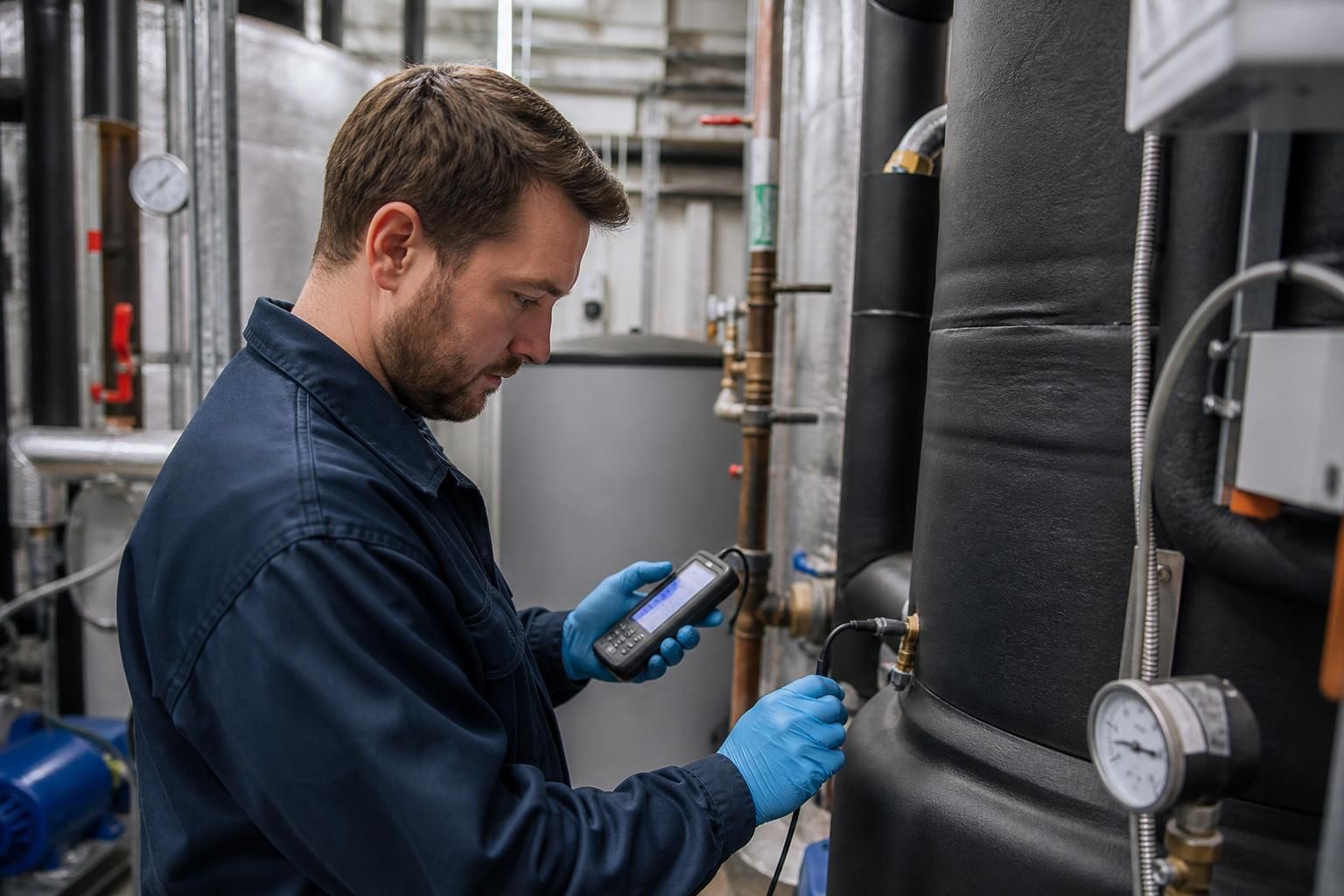
Practical Benefits of Effective Legionella Compliance
Effective legionella compliance combines documented controls with routine oversight, so water systems are managed according to identified risks rather than assumptions. Clear responsibilities, monitoring records and defined actions help organisations demonstrate that control measures remain active and relevant.
Blue Fish supports this with proportionate advice, testing, audits and monitoring, creating clearer evidence for day-to-day decisions and targeted remedial action.
Safer Water Systems
Risk-based control measures help reduce conditions that can allow Legionella to grow and spread, supporting safer water systems for building users.
Proportionate Compliance
Controls can be matched to the findings for each system, helping organisations focus attention and resources on the risks that require action.
Better Risk Insight
Structured assessments and water testing provide evidence about system conditions, helping decision-makers distinguish confirmed issues from potential concerns.
Clearer Follow-Up
Compliance reviews can connect identified deficiencies with specific corrective actions, making it easier to track what needs attention and why.
More Confident Responsibilities
Practical training helps relevant personnel understand their role in legionella control, supporting more consistent application of procedures across an organisation.
Effective Ongoing Management
Integrated monitoring, review and remedial planning support the continued management of water systems as conditions, equipment and operational requirements change.
Common Questions About Legionella Control and Compliance
What does legionella compliance require from a duty holder?
Requirements depend on the building’s water systems, occupancy, usage and existing controls. A competent assessment identifies relevant hazards, assigns responsibilities and sets proportionate monitoring, testing and review arrangements for compliance.
Read moreWhen should a legionella risk assessment be reviewed?
Review the assessment after significant changes to water systems, occupancy, usage or management arrangements, and following incidents or monitoring findings. Scheduled reviews should confirm that controls remain suitable and documented.
Read moreWhat does legionella testing reveal about water system control?
Testing identifies Legionella bacteria or conditions that support growth, but results require interpretation alongside records, temperature monitoring and risk assessment findings before deciding whether controls or remedial measures are appropriate.
Read moreWhat records should support legionella compliance?
Supporting records should include risk assessment findings, monitoring logs, test reports, maintenance details, remedial actions, training evidence and review dates. Together, they demonstrate decisions, responsibilities and control activity over time.
Read moreWhat happens if Legionella is found in a water system?
A positive finding prompts an evidence-based response: confirm results, assess exposure and system conditions, review controls, and implement proportionate remedial measures, with follow-up testing where appropriate to verify control effectiveness.
Read more
Technical Evidence for Legionella Compliance
Legionella compliance is evidenced by a defensible record of how water-system risks are identified, controlled and reviewed. Blue Fish helps organisations connect risk assessments with monitoring records, test results and clearly assigned actions, so decisions can be traced back to relevant system conditions.
Its technical input covers domestic, industrial and commercial water systems, with proportionate recommendations rather than automatic treatment. Where results or site observations indicate a control gap, remedial works and follow-up monitoring can address the issue and verify that revised arrangements remain appropriate.
Training and compliance audits help dutyholders understand their responsibilities and maintain consistent procedures. Blue Fish provides pragmatic advice in a format suited to operational records, management review and ongoing legionella disease prevention.
Pragmatic Partnership
Practical guidance, clear communication and proportionate actions support informed decisions, consistent responsibilities and constructive working relationships throughout water safety management.
Discuss Your Legionella Compliance Requirements
If you are reviewing water safety arrangements, share the relevant system context and compliance questions with Blue Fish. The team can help clarify which assessment, testing or control measure best fits your organisation's circumstances and define a suitable next step.