
Clean Water Tank Services
Clean water tank services cover inspection, cleaning and condition reporting for commercial and industrial water systems. They help facilities teams identify contamination, sediment and defects, supporting documented maintenance, remedial decisions and compliant cold-water storage.
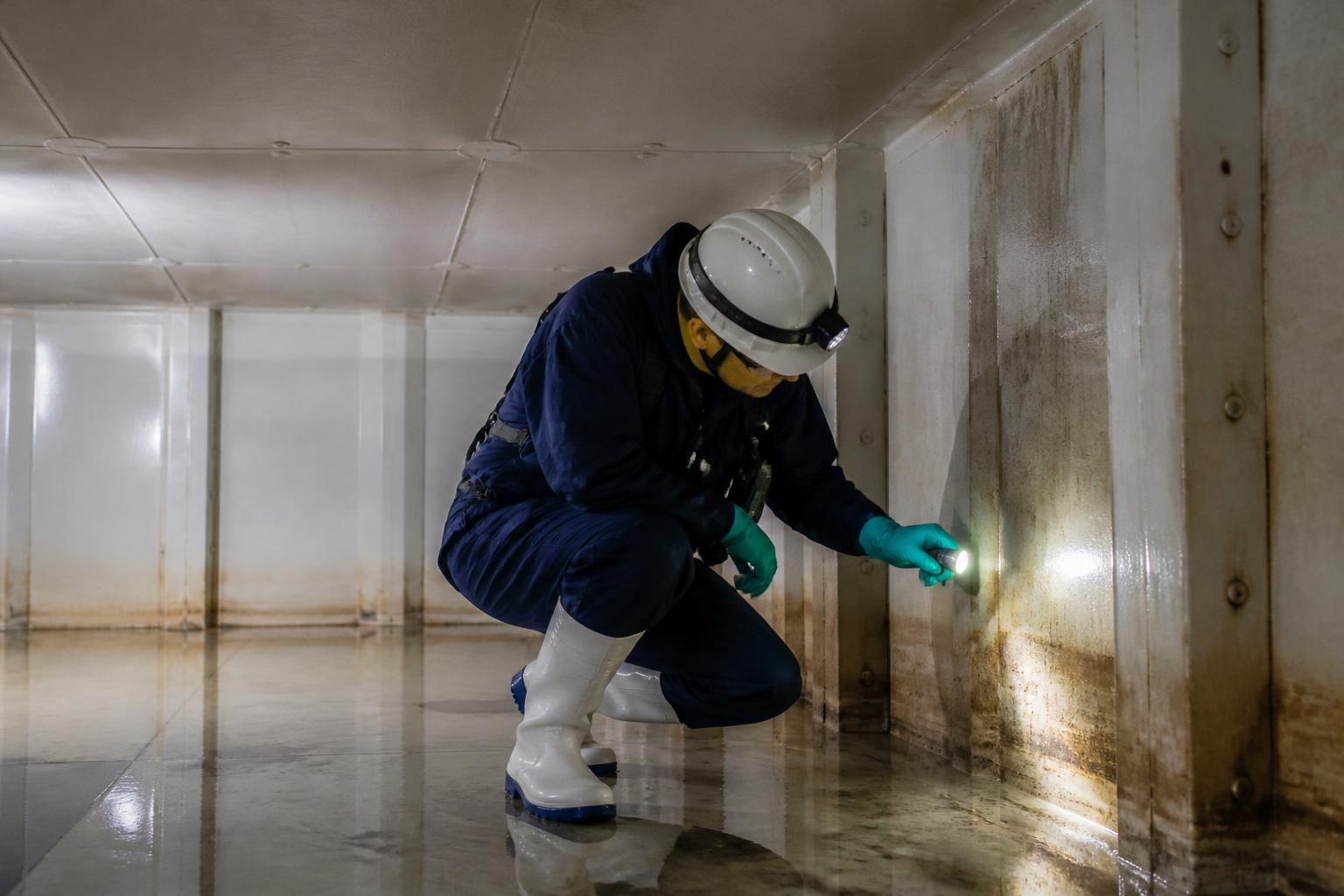
Safe Compliance
Expert clean water tank services support safe systems, UK compliance duties, and documented decisions on inspection, maintenance, or remedial action.
What Clean Water Tank Services Include
Clean water tank services assess tanks and define the work needed to keep them hygienic. The engagement can consider tank condition, access, water use and maintenance records before cleaning or remedial tasks are agreed.
Depending on findings, it may include cleaning, disinfection, photographic evidence and written reporting, giving responsible parties a clear record of completed work and recommended follow-up.
Tank Inspection
The engagement begins with an assessment of tank condition, access, internal surfaces, fittings and visible contamination to establish the appropriate scope of work.
Controlled Cleaning
Cleaning removes accumulated sediment, deposits and other contaminants from accessible tank surfaces using methods suited to the tank and water system.
Disinfection Measures
Where required, disinfection supports hygienic storage conditions and forms part of a controlled cleaning process for cold-water storage tanks.
Photographic Evidence
Photographs can record tank condition and completed work, helping facilities teams review findings and retain evidence within their maintenance records.
Condition Reporting
A written report sets out relevant findings, completed tasks and recommended follow-up, supporting proportionate remedial decisions and ongoing compliance management.
Key Deliverables from Clean Water Tank Services
Pre-Cleaning System Assessment
A competent assessment reviews the tank’s construction, access arrangements, inlet and outlet configuration, internal condition and operational use before work begins. This helps define a suitable cleaning approach and identify access or safety constraints.
Controlled Cleaning Process
Cleaning removes accumulated sediment, biofilm and other visible contamination from internal tank surfaces. The work is planned around the tank design and connected system so that cleaning is practical, controlled and appropriate to the site.
Condition Evidence
Photographic and written evidence can record the condition of tank surfaces, fittings, covers, supports and associated components. Clear evidence helps facilities teams distinguish routine cleaning needs from defects requiring further attention.
Post-Cleaning Verification
Following cleaning, the tank and relevant components are checked for remaining contamination, damage or access issues. Where appropriate, verification activities provide supporting evidence that the completed work meets the agreed scope.
Compliance-Focused Reporting
The final report sets out the work completed, findings identified and any recommended follow-up actions. Structured records support audit trails, maintenance planning and evidence of responsible cold-water storage management.
Remedial Recommendations
Where cleaning identifies damaged coatings, defective covers, poor protection or other concerns, recommendations explain the practical implications and next steps. This enables proportionate decisions about repair, replacement or continued monitoring.
Questions to Ask Before Commissioning Clean Water Tank Services
How often should clean water tanks be professionally cleaned?
Competent providers should review tank design, inlet arrangements, access, coatings, sediment and surrounding conditions, then document findings, cleaning requirements, defects, recommendations and necessary follow-up verification for responsible site management.
Read moreWhat should a clean water tank cleaning method statement include?
A method statement should define the tank, scope, isolation arrangements, access controls, cleaning sequence, disinfection requirements, waste handling, safety measures, inspection points, reinstatement procedure and completion records for site approval.
Read moreWhat factors determine the scope of clean water tank cleaning?
Scope depends on tank capacity, construction, access, water use, contamination evidence, sediment levels, connected outlets, isolation requirements and post-cleaning inspection needs, with work tailored accordingly to site conditions and risk.
Read moreHow do you choose a clean water tank services provider?
Choose a provider that demonstrates relevant water hygiene competence, clear reporting, suitable insurance, transparent scope, and understanding of your system’s operational constraints, compliance duties and management arrangements before work begins.
Read moreWhen should a clean water tank be repaired or replaced?
Repair is appropriate where defects are localised and the tank remains structurally sound; replacement may be necessary for widespread corrosion, failed coatings, persistent contamination, obsolete design, or uneconomic remedial work.
Read moreHow Clean Water Tank Services Are Delivered
Clean water tank services are planned around the tank’s function, construction and operational constraints. Before work begins, the scope, access requirements, isolation arrangements and any limitations affecting the assessment are identified, so the proposed approach is clear and appropriate to the site.
Findings are explained in practical terms, separating hygiene concerns from defects that may require remedial attention. Clients receive clear records of the work completed, the condition observed and any recommended next steps, providing an auditable basis for maintenance planning and water safety decisions.
What is reviewed before cleaning?
Relevant information may include the tank location, construction, access route, inlet and outlet arrangements, water use, isolation points and known maintenance history. Any restrictions that could affect inspection or cleaning are recorded, allowing the proposed work to reflect the actual installation rather than relying on a standard assumption.
Once the service is complete, the responsible person can review the outcome alongside the site’s water safety arrangements and decide whether any maintenance, remedial work or follow-up inspection is appropriate. Recommendations are based on the observed condition and operational use of the clean water tank, rather than applying the same action to every installation.
This gives facilities teams a clear basis for prioritising work, allocating responsibility and demonstrating how tank hygiene and condition have been considered within ongoing compliance management.
Discuss Your Clean Water Tank Requirements
If you are reviewing clean water tank requirements, discuss the installation, planned scope and any site constraints with Blue Fish Water Management. This provides a straightforward way to confirm suitable support and agree the appropriate next step.