
Cold Water Storage Tank Cleaning
Cold water storage tank cleaning removes sediment, scale, biofilm and other contamination that can compromise water hygiene. Blue Fish provides planned cleaning and disinfection for commercial, industrial and domestic water systems, supporting legionella control, documented compliance and safer ongoing operation.
Safe Water
Assess tank condition and contamination risks to prioritise cleaning, support UK water-safety duties and establish a documented basis for action.
What Cold Water Storage Tank Cleaning Includes
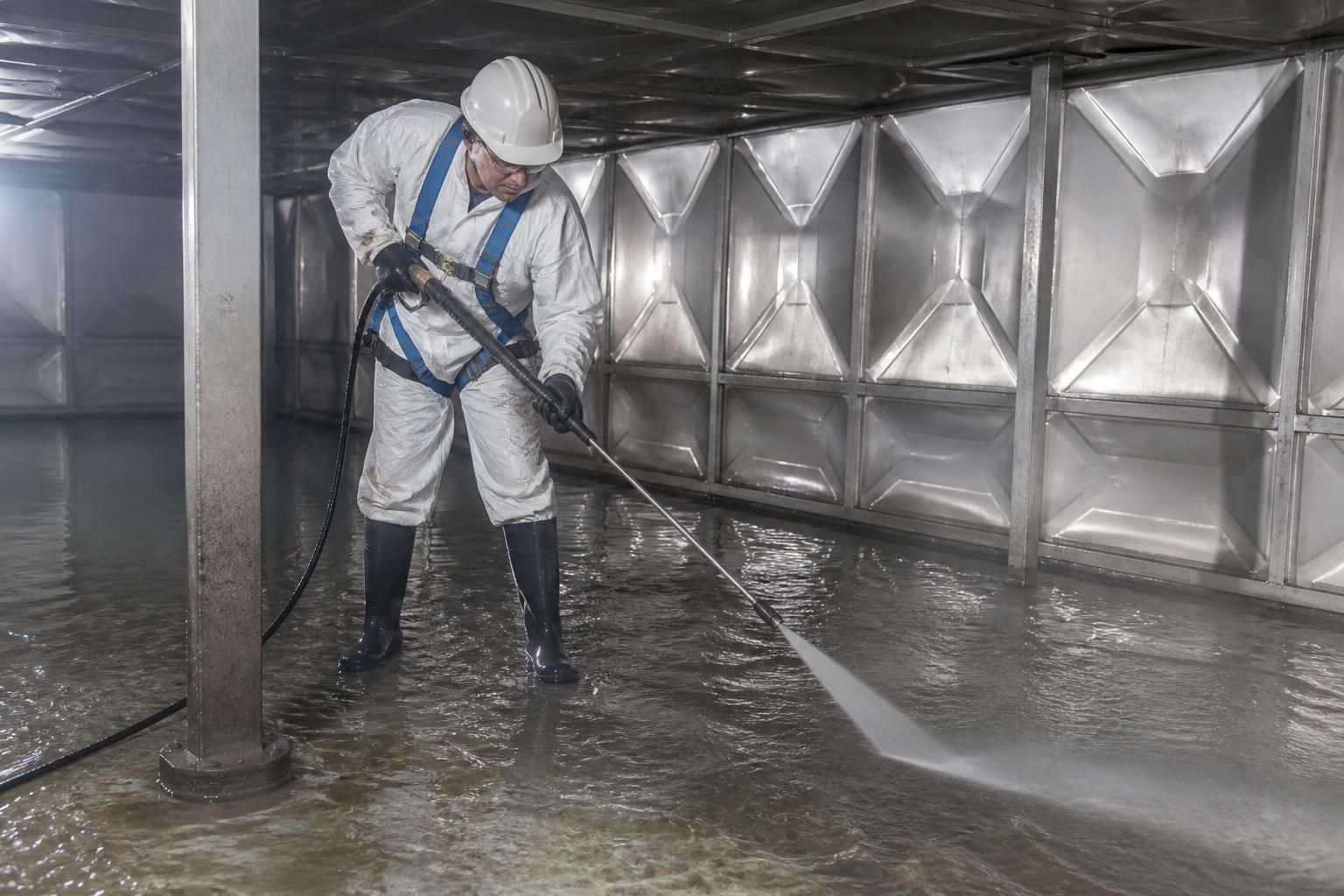
Cold water storage tank cleaning covers planned isolation, draining and removal of deposits from the tank, fittings and accessible internal surfaces. The method reflects the tank’s construction, condition and connection to the wider system.
Blue Fish can undertake cleaning, disinfection, rinsing and return-to-service checks, with documentation recording completed work, observations and any recommendations.
Scope Based on Tank Conditions
The cleaning approach is selected according to the tank’s construction, access arrangements, condition and relationship with the wider cold water system.
Targeted Contamination Removal
Work focuses on deposits and surface contamination that can accumulate in the tank, around fittings and in other accessible areas.
Disinfection as Part of the Work
Disinfection follows physical cleaning where appropriate, helping address microbiological contamination within the cleaned tank.
Issues Identified During Cleaning
Visible defects, access limitations or conditions that may affect ongoing water hygiene can be recorded for consideration.
Clear Service Records
The completed work is documented with relevant observations and recommendations, giving responsible persons a clear record for water-safety management.
What Cold Water Storage Tank Cleaning Delivers
Effective tank cleaning should produce more than a visibly clean vessel. It should provide competent decision-making, controlled work, traceable evidence and clear follow-up information, enabling responsible persons to understand what was completed, what was found and what action remains.
Condition-led cleaning plan
Review the tank, associated components and available system information before work begins. This helps determine the appropriate cleaning approach and identifies defects or conditions that may affect water hygiene.
Controlled isolation and preparation
Plan isolation, access and protection of connected services so the tank can be taken out of service in a controlled manner. Preparation should account for system use, safety requirements and the condition of the installation.
Thorough internal cleaning
Remove accumulated deposits and contamination from the tank and relevant internal surfaces using methods suited to the tank construction and condition. The work should address areas where contamination can remain after surface-level cleaning.
Disinfection of the tank
Apply an appropriate disinfection process after cleaning to support control of microbial contamination. The method and any required checks should reflect the system design and the intended return to service.
Inspection findings recorded
Document visible defects, damaged surfaces, inadequate covers, defective fittings or other issues identified during the work. These findings provide useful evidence for deciding whether remedial action is needed.
Clear completion documentation
Provide records describing the work undertaken, the tank or system covered and relevant observations. Clear documentation supports internal water-safety records, compliance reviews and future maintenance planning.
Practical remedial recommendations
Where cleaning identifies problems that could contribute to recurring contamination or poor tank condition, set out proportionate next steps. Recommendations can help responsible persons prioritise repairs, improvements or further investigation.
Questions to Ask Before Commissioning Cold Water Storage Tank Cleaning
What should cold water storage tank cleaning include?
Confirm the scope includes isolation, safe access, draining, physical cleaning, disinfection, refilling, reinstatement and verification, with responsibilities agreed beforehand to protect operations and minimise exposure risks for staff and occupants.
Read moreHow often should cold water storage tanks be cleaned?
There is no universal interval: frequency depends on risk assessment findings, tank condition, sediment accumulation, usage, turnover and water quality results. Review the schedule after incidents, alterations or prolonged stagnation.
Read moreWhat evidence should cold water storage tank cleaning produce?
Evidence should include dated photographs, pre- and post-cleaning inspection findings, disinfection details, verification results, identified defects, waste records and recommendations, linked clearly to the specific tank and work actually completed.
Read moreWhat competence should a cold water storage tank cleaning contractor demonstrate?
A competent contractor should demonstrate relevant water-hygiene training, safe systems of work, risk assessment capability, suitable equipment, and understanding of legionella controls, with responsibilities and supervision clearly defined throughout operations.
Read moreHow can cold water storage tank cleaning minimise disruption to operations?
Plan cleaning during suitable operational windows, coordinate isolations with affected users, prepare temporary water arrangements where necessary, and confirm reinstatement checks before normal activities resume across the affected site safely.
Read moreWhat to Expect from Cold Water Storage Tank Cleaning
Before cleaning begins, the tank, associated pipework, access requirements and isolation arrangements should be confirmed with the responsible person. The proposed method should reflect the tank’s construction, condition, contents and operational requirements, including how drainage, cleaning, rinsing and disinfection will be managed safely.
Findings should be explained in practical terms, distinguishing routine maintenance needs from issues requiring further investigation or remedial work. Blue Fish provides clear advice on the condition observed, actions completed and any recommended next steps, so clients can make informed decisions about their water systems.
What is reviewed before cleaning?
Blue Fish considers the available system information, tank condition, visible contamination, access constraints and the requirements for isolating the tank. The agreed method should explain how the tank will be emptied, cleaned, rinsed and disinfected, while taking account of how the system will continue to operate during the work. Any limitations or assumptions should be identified before cleaning starts.
Following the clean, the recorded findings can be reviewed against the site’s existing water safety arrangements. This helps the responsible person decide whether any follow-on inspection, repair or monitoring should be included in the management plan.
Where the tank forms part of a wider water system, Blue Fish can help interpret the results in context and identify any related control measures that warrant attention. This keeps future decisions based on the tank’s actual condition rather than on a routine assumption about cleaning alone.
Discuss Your Cold Water Storage Tank Cleaning Requirements
Discuss your cold water storage tank cleaning requirements with Blue Fish to clarify the system’s needs, confirm a suitable scope of work and identify the information required to plan the next stage of compliance-focused cleaning and disinfection.