
Water Hygiene Solutions for Safer Systems
Water hygiene solutions combine planned monitoring, risk-based controls and technical support to manage water systems in commercial, industrial and domestic settings. Blue Fish Water Management helps duty holders identify hazards, maintain compliance and reduce conditions that support legionella growth.
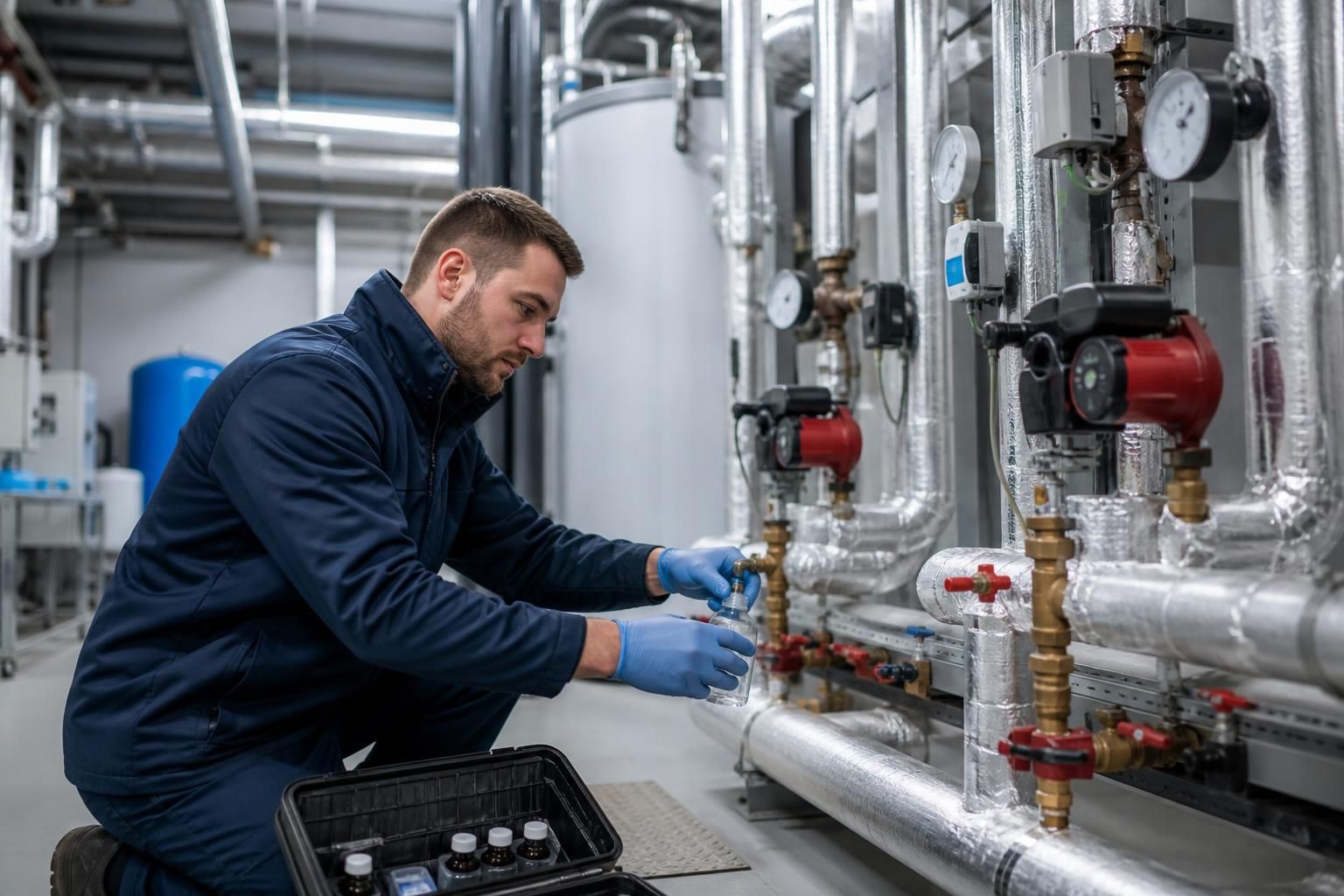
Water Hygiene Solutions by Scope and Level of Support
The most suitable water hygiene approach depends on system complexity, identified risks, available internal expertise and required assurance. Options range from targeted checks and testing to coordinated management programmes with documented actions and review.
Planned Water Hygiene Monitoring
Suitable for sites that need regular oversight of water temperatures, control measures, records and follow-up actions. This approach provides ongoing involvement and helps maintain consistent management between formal reviews.
Targeted Water Testing
Water sampling and UKAS-accredited testing can be used where analytical evidence is needed to investigate conditions, verify controls or support decisions about further action. It is suited to defined questions rather than continuous site management alone.
Water Hygiene Compliance Audits
A compliance audit reviews existing arrangements, documentation and management practices against relevant duties and procedures. This option suits organisations that have internal controls in place but need an objective assessment of their completeness and application.
Water Hygiene Training
Training is appropriate when staff or duty holders need a clearer understanding of their responsibilities, control measures and record-keeping requirements. It strengthens internal involvement without requiring every task to be outsourced.
Remedial Water Hygiene Works
Remedial support addresses identified defects or weaknesses in a water system or its management arrangements. It is most suitable after monitoring, testing or auditing has established that corrective technical or operational action is needed.
Integrated Water Hygiene Management
A coordinated programme combines monitoring, testing, audits, training and remedial action according to the needs of the site. This higher-involvement approach is suited to complex systems, multiple responsibilities or organisations seeking one structured framework for ongoing control.
Practical Elements of Water Hygiene Management
Practical delivery may cover system surveys, schematic records, control-point verification, sampling coordination, remedial recommendations and management documentation. Each element supports evidence-based decisions, clearer accountability and proportionate control of risks within the water system while supporting alignment with UK requirements.
System Surveys
A structured survey reviews water outlets, storage, distribution and relevant plant to identify conditions that may affect hygiene control. Findings provide a practical basis for prioritising further investigation and action.
Schematic Records
Clear schematic records map the water system and its key components. Accurate documentation helps responsible persons understand system design, locate control points and maintain consistent monitoring arrangements.
Control-Point Checks
Verification of temperatures, usage patterns and other relevant control measures helps establish whether arrangements are operating as intended. Results can be recorded for review and follow-up.
Water Sampling
Sampling can be coordinated around the risks identified within the system, with results supporting informed decisions about water quality and legionella control. Testing is available through UKAS-accredited facilities.
Remedial Recommendations
Where survey findings or monitoring results indicate weaknesses, recommendations set out proportionate remedial actions. These may address system condition, dead legs, low-use outlets, temperature control or operational practices.
Management Documentation
Inspection findings, monitoring records, test results and completed actions can be brought together into usable management documentation. This supports clearer accountability and provides evidence of ongoing water hygiene control.
Water Hygiene Solutions: Questions and Answers
What does a proportionate water hygiene management plan include?
Choose support according to system complexity, duty-holder responsibilities and evidence gaps: targeted advice may suffice for established controls, while wider review is appropriate where risks remain unclear or records incomplete.
Read moreWhen is specialist water hygiene management support necessary?
Specialist support is necessary when legionella hazards are poorly understood, control measures fail, system changes introduce new risks, or duty holders lack the competence to interpret technical findings and act.
Read moreWhich evidence should a water hygiene management service provide?
Evidence should include dated findings, sampling results, temperature records, control checks, remedial actions, responsible persons and review dates. Clear audit trails demonstrate decisions, follow-up and ongoing oversight to duty holders.
Read moreHow do you choose suitable water hygiene management support?
Assess the system’s design, use, occupancy, controls and available competence. Choose support that matches identified gaps, from focused technical advice to broader management input where responsibilities or risks are complex.
Read moreWhen should water hygiene controls be reviewed after a system change?
Review controls before commissioning and after the altered system stabilises, particularly where changes affect temperatures, flow, storage, outlets, occupancy or usage. Reassess risks, update records and confirm responsibilities remain clear.
Read moreQuestions to Ask About Water Hygiene Solutions
Before appointing a water hygiene provider, clarify the scope of the work: which systems, assets and responsibilities are included, how site access will be managed, and where the provider’s duties end. Ask how the people carrying out the work are trained and supervised, and whether their experience matches the complexity of the systems being assessed.
Confirm what evidence will be supplied, how findings and actions will be reported, and the expected timescales for each stage. It is also important to establish who reviews records, authorises remedial work, tracks outstanding actions and retains responsibility for ongoing water hygiene management after the initial work is complete.
Confirm the boundaries of the service
Request a written scope identifying relevant hot and cold water systems, storage, outlets, associated equipment and any areas excluded from review. Clarify whether the work includes site surveys, schematic verification, control-point checks, sampling coordination, risk-based recommendations and follow-up actions, and establish how changes to the system will be addressed.
Once these questions have been answered, record the agreed approach in the appointment documentation, including any exclusions, assumptions and actions that depend on information from the duty holder. This creates a clear baseline for reviewing whether the water hygiene arrangements remain suitable as systems, occupancy or site use changes.
Before work begins, ensure the relevant responsible person has reviewed and approved the proposed arrangement. A clear agreement at this stage helps prevent gaps between assessment, control measures and the practical management of the system.
Discuss Your Water Hygiene Requirements
Discuss your water hygiene requirements with Blue Fish Water Management and receive practical advice on the most suitable next step for monitoring, testing, treatment and ongoing control across your organisation’s water systems.