
Water Testing & Hygiene Services
Water testing and hygiene services assess water quality, identify contamination risks and support safe management of hot and cold-water systems. Blue Fish Water Management provides sampling, laboratory testing, monitoring and practical compliance guidance for commercial, industrial and domestic environments nationwide.
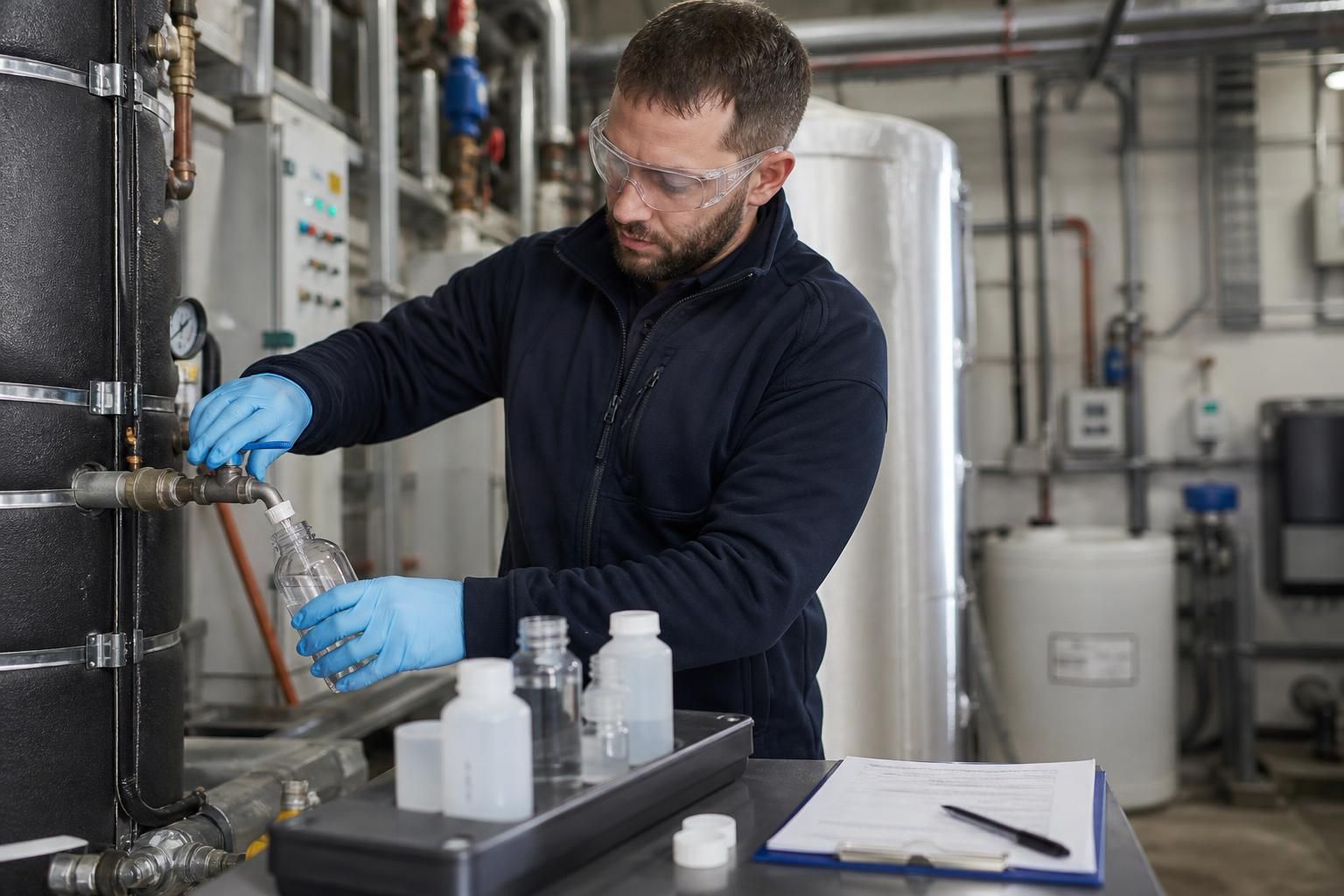
Stages of Water Testing and Hygiene Management
Water testing and hygiene management follows a structured process: first establish how a water system operates, then choose representative samples and suitable analytical methods. Results are reviewed against relevant guidance before findings are documented and corrective actions prioritised.
- 1
Understand the Water System
Review the system design, sources, storage, distribution routes, outlets and usage patterns. This establishes where water quality and hygiene risks may arise and which parts of the system require attention.
- 2
Identify Potential Risks
Consider factors such as temperature control, stagnation, storage conditions, system complexity and maintenance history. The findings help determine the scope of sampling and any monitoring requirements.
- 3
Select Sampling Locations
Choose representative points across hot and cold-water systems, including storage vessels, distribution outlets and areas associated with higher risk. Sampling locations should provide useful evidence about the wider system.
- 4
Take Suitable Samples
Collect samples using appropriate procedures for the water system and the investigation being carried out. Correct labelling, handling and recording are essential for reliable interpretation of results.
- 5
Complete Laboratory Testing
Submit samples for relevant analysis through suitable laboratory testing, including UKAS-accredited water testing where applicable. The analytical method should match the suspected risk and the information required.
- 6
Review and Interpret Results
Assess laboratory findings alongside system conditions, monitoring records and applicable water hygiene guidance. A result is most useful when considered in the context of how the system is designed and managed.
- 7
Report Findings
Document sample details, test results, observations and any relevant limitations in a clear report. This provides a traceable record for internal management, compliance reviews and future comparison.
- 8
Recommend Corrective Action
Prioritise practical actions according to the nature and significance of the findings. Recommendations may include further investigation, changes to monitoring, remedial works or adjustments to system management.
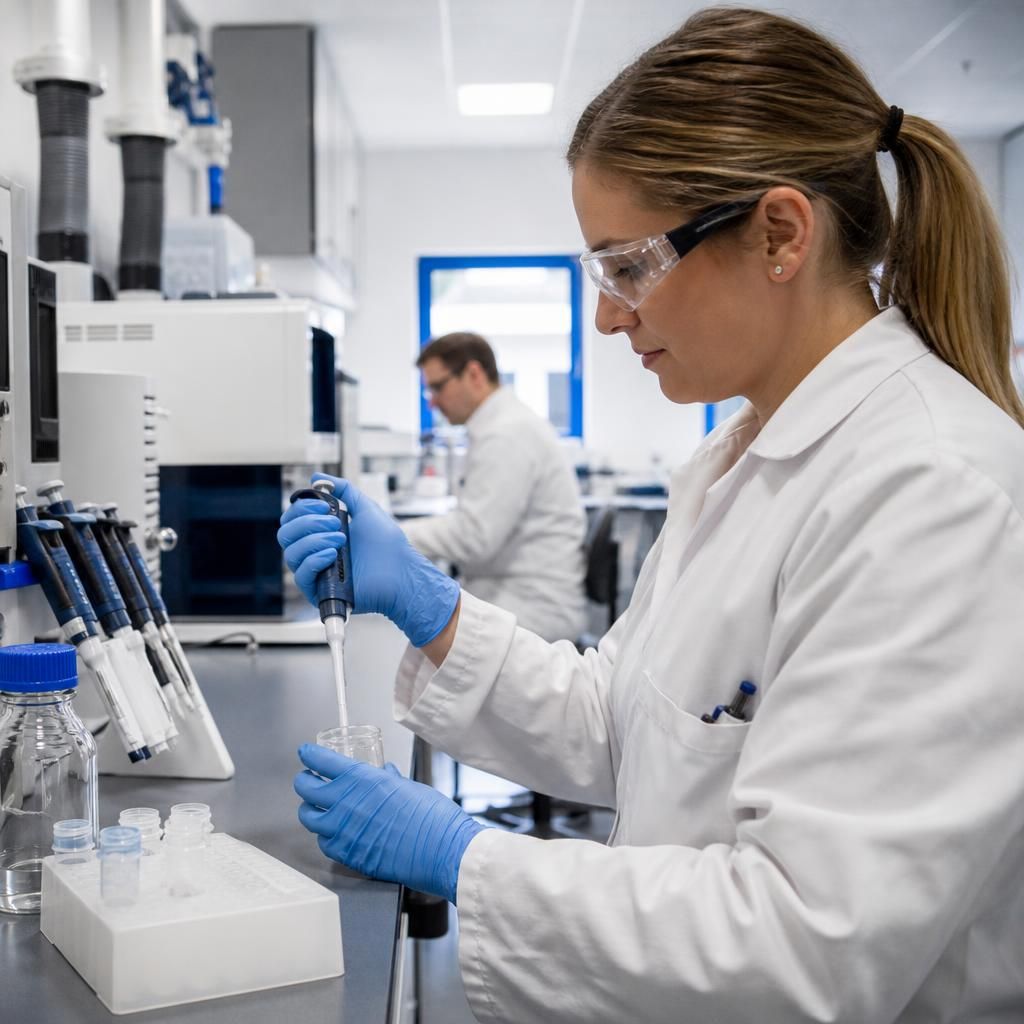
UKAS-Accredited Water Testing from an Experienced, Pragmatic Team
Water testing is the analytical examination of a water sample to identify microbiological or chemical conditions relevant to health, system operation and regulatory duties. For Legionella control, sampling is interpreted alongside system information, temperatures and site risk rather than treated as an isolated result.
Blue Fish Water Management applies robust laboratory procedures, documented sample handling and clear reporting. Results are explained in practical terms, distinguishing a finding that needs investigation from one that can be managed through routine monitoring and control.
Advice is tailored to the system, building use and responsibilities of the duty holder. The experienced team can help translate laboratory findings into proportionate actions, such as reviewing controls, adjusting monitoring arrangements or commissioning remedial work, while keeping records suitable for ongoing water hygiene management and compliance review.
Questions to Ask a Water Testing Provider
Ask whether the proposed sampling plan covers the outlets, storage vessels and temperature regimes relevant to your building, and how sample points are selected. Clarify which analyses are performed under UKAS accreditation, whether the laboratory is suitable for the required microbiological or chemical tests, and how samples are preserved and transported.
Confirm what the report will include: results, interpretation, reference criteria, limitations and clearly prioritised actions. You should also establish who remains responsible for reviewing findings, updating water hygiene records and arranging corrective work, and whether the provider can support follow-up sampling, trend review or compliance checks when results require further investigation.
Checking the scope of sampling
The plan may need to consider sentinel outlets, little-used outlets, storage tanks, calorifiers and parts of the system with different temperature profiles. Ask how sampling locations are selected, how often they should be reviewed and whether access limitations or changes in building use could affect the findings.
Use the answers to compare providers on the quality and relevance of their proposed service, not simply on the number of tests included. Before appointing a provider, request a written scope confirming the sampling locations, analyses, reporting arrangements and any follow-up process.
Providing available system records, previous results and details of known issues will help the provider assess the water system accurately. A clear agreement should leave the duty holder knowing what will be tested, how findings will be managed and what documentation will support ongoing water hygiene control.
Water Testing & Hygiene: Frequently Asked Questions
What does water testing reveal about Legionella control?
Water testing examines microbiological and chemical conditions, while hygiene management controls legionella risks. Support may benefit healthcare, hospitality, education, housing, industrial and commercial organisations managing shared water services and responsibilities.
Read moreWhat does Legionella water sampling involve?
Legionella water sampling involves collecting representative hot and cold-water samples from defined outlets, using documented methods and laboratory analysis to identify evidence requiring investigation, control, or follow-up across the system.
Read moreWhen is Legionella water testing required?
Testing is required when risk assessment, system changes, control failures, or unusual conditions indicate possible Legionella exposure, helping duty holders verify controls and determine suitable corrective action and monitoring requirements.
Read moreWhich organisations need water hygiene testing?
Organisations with shared hot- or cold-water systems may need testing, including landlords, healthcare providers, schools, care settings, hospitality businesses, offices, factories and other commercial premises where people could be exposed.
Read moreHow are water testing results used in hygiene management?
Results are reviewed alongside system controls, temperatures and maintenance records to identify trends, prioritise remedial work and confirm whether routine monitoring remains appropriate for the duty holder's documented management decisions.
Read moreDiscuss Your Water Testing & Hygiene Requirements
Discuss your water testing, hygiene monitoring or Legionella compliance requirements with the Blue Fish team. They can help clarify suitable sampling arrangements, explain reporting needs and identify practical next steps for managing your organisation’s water safety responsibilities.