
Chlorine Disinfection & Hygiene
Chlorine disinfection uses controlled chlorine dosing to reduce harmful microorganisms in water systems. Hygiene measures, including sampling, monitoring and documented verification, help demonstrate compliance and manage legionella risks. Blue Fish provides practical, system-specific guidance and remedial support for commercial operators.
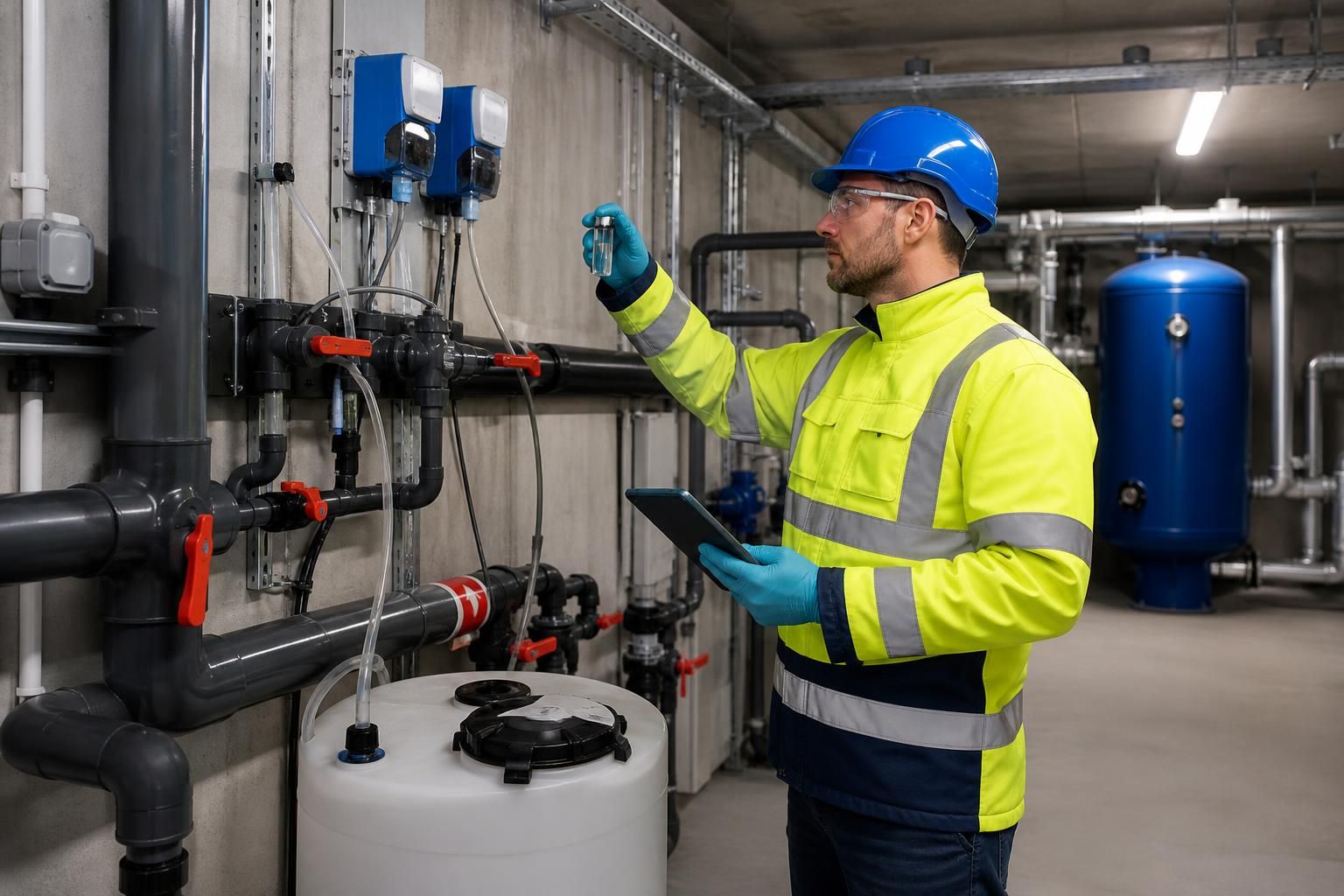
Chlorine Disinfection and Hygiene Specification
A service specification defines which system sections are included, the treatment method, chemical safeguards, operating limits, applicable standards and required evidence. Clear acceptance criteria also establish when the work is complete and what action follows any unresolved issue.
System Scope
The specification identifies the water systems, outlets, storage vessels, distribution pipework and associated equipment included in the disinfection programme. It also records exclusions, isolation points and any access constraints that could affect treatment coverage.
Controlled Chlorine Dosing
Chlorine concentration, contact time, flow conditions and distribution throughout the system are considered together. Dosing requirements are set according to system characteristics, with checks used to confirm that treated areas have received appropriate exposure.
Chemical Safety Controls
The method includes suitable chemical handling, storage and dosing controls, together with precautions for occupants, operatives and connected equipment. Isolation, warning notices, flushing and reinstatement procedures are defined where required.
Standards and Risk Controls
The work should be aligned with the relevant UK legionella-control guidance, site risk assessment and water safety procedures. System-specific controls address stagnation, low-use outlets, temperature conditions, dead legs and other factors that may support microbial growth.
Sampling and Verification
Verification can include visual checks, chlorine residual measurements and water sampling at representative points. Where laboratory analysis is required, results provide evidence for assessing treatment effectiveness and identifying any further investigation.
Records and Close-Out
Completion records should identify the treated system, treatment method, readings, samples, deviations and corrective actions. A clear close-out statement confirms which areas meet the agreed acceptance criteria and records any unresolved issue for follow-up.
Key Principles of Chlorine Disinfection and Hygiene
Chlorine disinfection performance depends on the relationship between disinfectant concentration, pH, temperature, contact time and system condition. Free chlorine is the active residual available to control microorganisms, while combined chlorine has reacted with other substances and is a less direct indicator of treatment effectiveness. Biofilm, sediment, scale and stagnant sections can reduce the reliability of a treatment if they are not identified and addressed.
The duty holder remains responsible for providing suitable system information, arranging access and ensuring that agreed control measures are maintained after treatment. Results should be interpreted against the treatment objectives and applicable guidance rather than viewed in isolation. An unsatisfactory result may require investigation of dosing, circulation, contact conditions, sampling technique or system cleanliness, followed by proportionate remedial action and further evidence where necessary.
Why the Applied Dose Is Not the Same as the Residual
The applied dose is the quantity of chlorine introduced, whereas the residual is what remains after reactions within the system. A high demand can indicate contamination, deposits or inadequate preparation, and may require investigation before further dosing is considered. Dosing should therefore be controlled against the treatment objective, system capacity and measured conditions rather than selected as an isolated chemical quantity.
Once chlorine disinfection is complete, the treatment record should support a clear decision: accept the system, investigate a deviation or arrange further work. It should identify the areas treated, relevant measurements, any restrictions or exclusions and the evidence used to reach that decision.
That record gives the responsible person a practical basis for updating water hygiene documentation and confirming any follow-up actions. Blue Fish can help interpret the findings and identify proportionate remedial measures where the results do not support closure.
Where Chlorine Disinfection and Hygiene Measures Apply
Chlorine disinfection and hygiene controls must reflect the building’s use, water-system design and risk profile. The following examples show where tailored treatment, monitoring and documentation may be relevant, from occupied commercial premises to complex or vulnerable systems.
Healthcare and care environments
Healthcare facilities and care settings require carefully controlled disinfection and hygiene arrangements because occupants may be more vulnerable to waterborne infection. Treatment planning should consider the system layout, access constraints, operational requirements and the evidence needed for responsible-person records.
Residential blocks and managed housing
Apartment buildings and other managed residential properties may contain shared storage, distribution pipework and areas with differing patterns of use. Chlorine disinfection can form part of a documented response where system condition, occupancy patterns or maintenance findings indicate a need for closer control.
Hotels, leisure and education premises
Hotels, sports facilities, schools and similar buildings can have variable occupancy and periods of reduced water use. Hygiene measures should account for outlets that are used less frequently, changes in demand and the need to verify conditions across representative parts of the system.
Industrial and process sites
Industrial premises may contain extensive pipework, specialist outlets or water systems connected to operational processes. Any disinfection approach should define the sections included, protect process requirements where relevant and record exclusions, access limitations and post-treatment checks.
Systems following stagnation or interruption
A system affected by prolonged stagnation, shutdown or restricted circulation may need investigation before chlorine treatment is selected. Sediment, scale, biofilm and poorly circulating sections can affect contact conditions, so hygiene controls should address the underlying system condition as well as the disinfectant residual.
New, modified or recommissioned systems
Newly installed, altered or recommissioned water systems may require disinfection and verification before normal operation. The scope should reflect the completed installation, identify parts not included in the treatment and retain sampling and monitoring evidence alongside the relevant handover documentation.
Targeted remedial treatment
Where monitoring or investigation identifies a localised hygiene concern, treatment may be directed towards defined sections rather than applied indiscriminately. The decision should be based on system information and risk assessment, with follow-up evidence used to confirm whether further action is necessary.
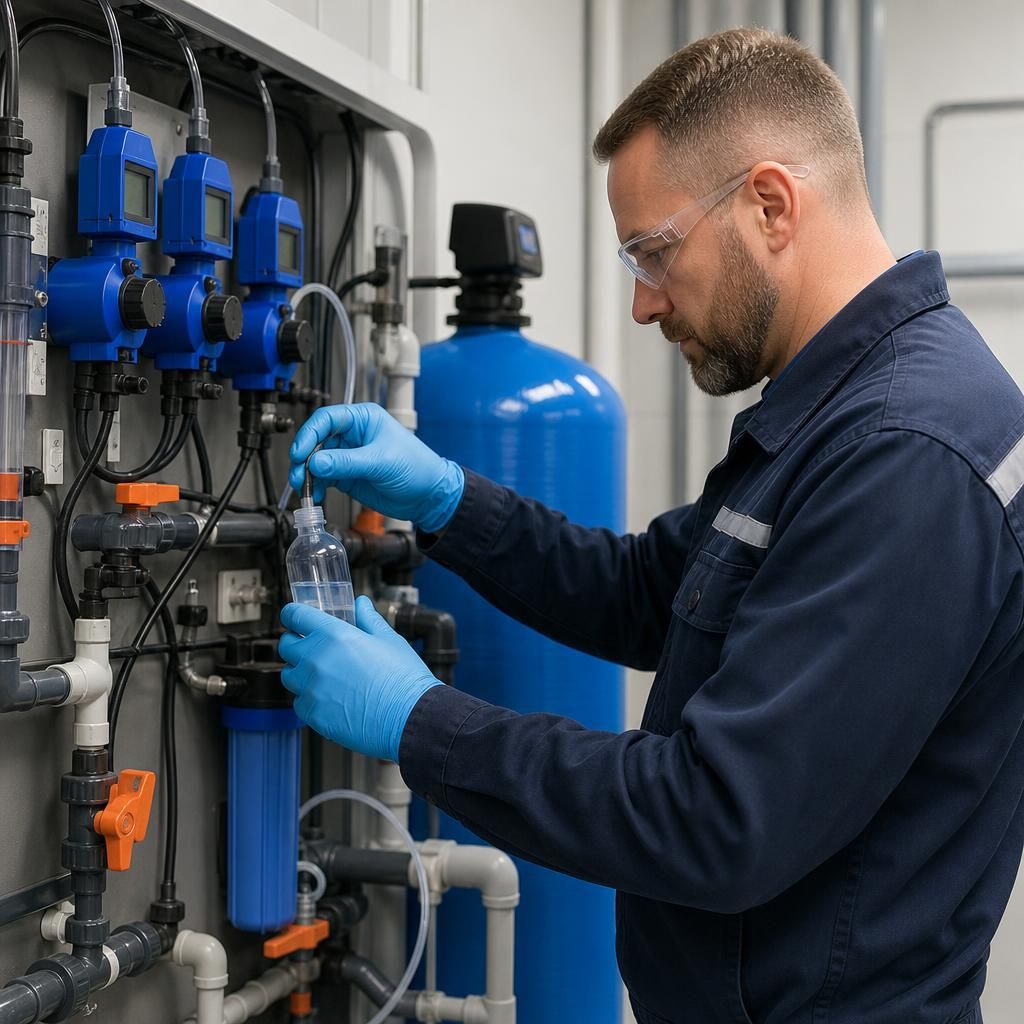
Technical Expertise in Chlorine Disinfection and Hygiene
Chlorine disinfection is managed as a defined engineering process, not simply the addition of a chemical. Blue Fish’s technical personnel assess the installation, its operating purpose and practical constraints that could affect safe, even treatment. This supports a method suited to the actual system rather than a generic dosing approach.
Experienced staff coordinate preparation, treatment and post-treatment checks with the responsible person and relevant contractors. They consider isolation, access, circulation and reinstatement requirements, helping prevent connected equipment or affected users being overlooked during the work.
Quality controls focus on traceable measurements, consistent procedures and clear records. Clients can expect documentation that separates completed work from limitations or outstanding actions, with technically reasoned advice where conditions require investigation or further hygiene measures.
Questions to Ask Before Appointing a Chlorine Disinfection Provider
What qualifications should a chlorine disinfection provider have?
Ask whether the provider can explain how it selects chlorine concentrations, contact times and acceptance criteria for the specific installation, and how deviations are escalated and documented before work begins.
Read moreHow should a chlorine disinfection provider report treatment results?
A suitable report should present sampling locations, measured chlorine and pH values, test methods, acceptance criteria, deviations, limitations and corrective actions, with records traceable to sampling dates, personnel and methods.
Read moreWhat preparation does a chlorine disinfection provider require before treatment?
Before treatment, the provider should receive current schematics, asset details, usage information, isolation arrangements, access requirements, known defects, previous results and details of vulnerable users or restrictions affecting the system.
Read moreWhat follow-up support does a chlorine disinfection provider offer after treatment?
Clarify whether post-treatment support covers reviewing residual risks, coordinating agreed corrective work, confirming system reinstatement, and advising on ongoing monitoring or repeat verification where treatment evidence is inconclusive or incomplete.
Read moreHow long should chlorine disinfection treatment take?
Treatment duration depends on system volume, configuration, contamination, access, circulation and contact requirements. Ask for a method-specific estimate, including preparation, dosing, contact, flushing, testing and reinstatement, with exclusions clearly identified.
Read moreDiscuss Your Chlorine Disinfection Requirements
Discuss your chlorine disinfection and hygiene requirements with Blue Fish Water Management. We can help clarify the appropriate scope, assess practical constraints and provide advice or a tailored quotation for your commercial water system.