
Legionella Surveys & Inspections
A legionella survey is a structured inspection of water systems, storage, distribution and use points to identify conditions that may support bacterial growth. It provides evidence for targeted control measures and helps organisations review their ongoing water safety arrangements.
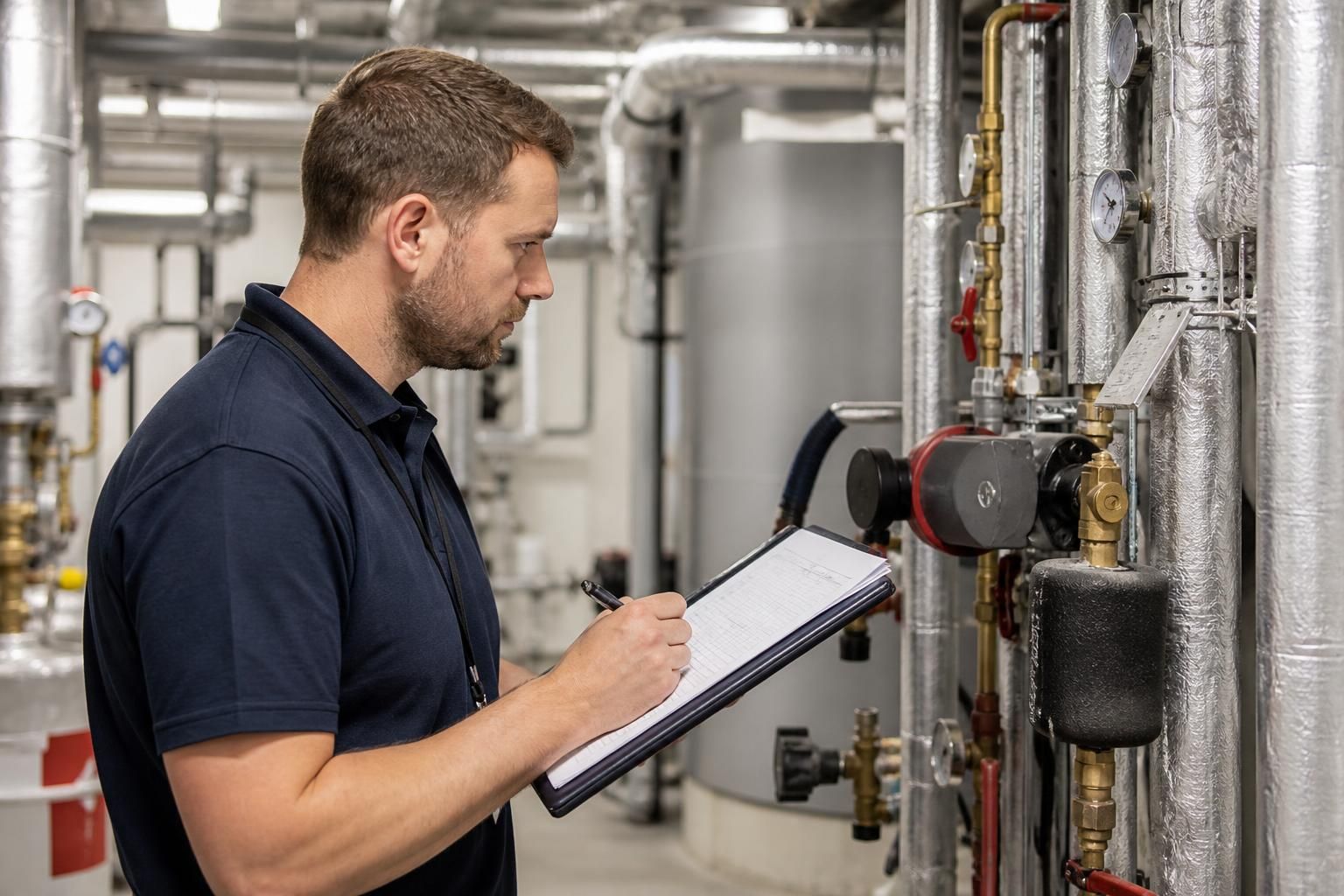
Technical Expertise in Legionella Inspection Surveys
A legionella inspection survey is an evidence-gathering review of how a water system is designed, managed and maintained. It considers whether arrangements identify relevant hazards, assign responsibilities and provide suitable records for demonstrating control.
Blue Fish Water Management applies practical water hygiene knowledge to assess system configuration, access points, temperature-control arrangements, outlets, storage and usage patterns. Inspectors interpret site observations alongside available schematics, monitoring records and maintenance information, helping distinguish immediate concerns from weaknesses requiring planned corrective action.
The findings support the responsible person in meeting duties under the Health and Safety at Work etc. Act and the control principles set out in HSG274 and the ACOP L8 guidance. Where an inspection identifies a gap, the report can inform proportionate remedial works, monitoring requirements, management-plan updates or further investigation.
How a Legionella Inspection Survey Is Carried Out
Each survey follows a documented sequence: first, the system, scope and site requirements are confirmed; available records are reviewed; inspection activities are completed; findings are documented; and proportionate next steps are identified for consideration.
- 1
Confirm the Survey Scope
The inspection begins by confirming the premises, water systems, areas of responsibility and specific questions the survey needs to address. This establishes which assets, outlets and management arrangements are included.
- 2
Review Existing Information
Relevant records are considered before or during the site visit, including current schematics, asset details, previous assessments, temperature logs, cleaning records and maintenance documentation. This helps relate physical conditions to the organisation’s documented controls.
- 3
Inspect the Water System
The survey examines storage vessels, distribution pipework, outlets, vulnerable areas and points where water may stagnate or remain within an unsuitable temperature range. Access, condition, use and system configuration are recorded where relevant.
- 4
Assess Management Arrangements
Inspection findings are compared with the organisation’s responsibilities, monitoring procedures, control measures and record-keeping arrangements. This assessment helps identify whether the system is being managed consistently with its risk profile.
- 5
Document Findings and Recommendations
The completed report records the evidence gathered, significant observations and any areas requiring attention. Recommendations may include remedial work, revised monitoring, updated management documentation or further technical investigation, depending on the findings.

Evidence and Findings from Your Legionella Inspection
The completed legionella inspection survey should produce a clear, traceable record of what was examined and what the evidence shows. The report should identify inspected areas, relevant observations and any limitations, allowing the responsible person to understand the basis of each finding.
Technical findings should distinguish observed conditions from interpretation and recommendations. This may include issues affecting temperature control, access, storage, outlets, usage or maintenance records, with the significance of each issue explained in relation to legionella risk. Where evidence is incomplete, that qualification should be stated.
Conclusions should be prioritised and practical, separating actions requiring attention from matters suitable for routine monitoring. The report provides an auditable reference for reviewing responsibilities and checking whether identified corrective measures have been addressed.
Questions About Legionella Inspection Surveys
How disruptive is a legionella inspection survey for occupied premises?
A survey can accommodate site access requirements and operational constraints, with limitations recorded in the report, helping organisations judge whether further investigation or corrective work is needed following inspection.
Read moreWhat records are needed for a legionella inspection survey?
Useful records include the risk assessment, asset register, written scheme, temperature logs, sampling results, maintenance certificates, cleaning records, contractor reports and evidence of completed corrective actions where relevant to operations.
Read moreWhen should a legionella inspection survey be repeated?
Repeat a legionella inspection survey after significant system alterations, changes in use, control failures or evidence of changed risk. Otherwise, timing should follow documented risk-based review arrangements for the site.
Read moreWhat happens if a legionella inspection identifies a problem?
If a problem is identified, it is documented with its significance and recommended action. The responsible person can prioritise corrective work, update controls, and retain evidence that issue was resolved.
Read moreWho should be involved in a legionella inspection survey?
The responsible person should coordinate the survey, supported by competent water-management specialists and relevant facilities, engineering, operations and maintenance personnel who understand the system, its use and existing controls arrangements.
Read moreConsistent Advice
Practical inspection advice, consistent reporting and dependable delivery help organisations manage legionella risks across domestic, industrial and commercial water systems.
Discuss Your Legionella Survey Requirements
Discuss your premises, existing records and concerns with the Blue Fish team. They can help clarify whether a legionella survey is appropriate, define a proportionate inspection scope and explain the information needed to arrange the next stage.