
Benefits of Water Tank Relining
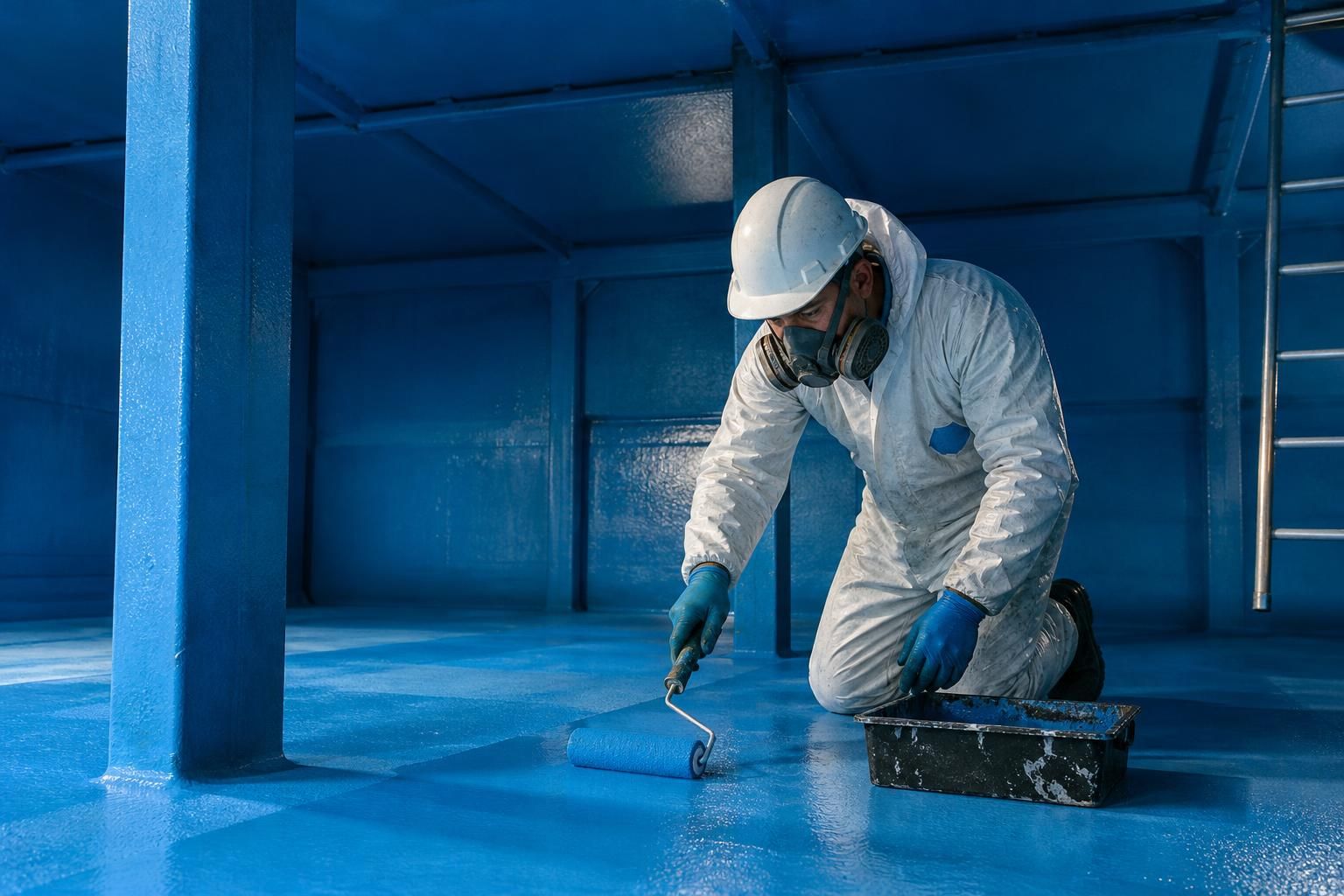
Water tank relining provides a hygienic refurbishment option for facilities managing cold-water storage tanks. By renewing the internal lining rather than replacing the tank, it can support water quality, extend service life and reduce disruption associated with replacement work.
Water Safety
Relining can help responsible persons address deteriorating tanks, support compliant water management, and establish whether refurbishment is an appropriate action.
What Water Tank Relining Includes
An effective relining service covers more than applying a coating. It should define the tank’s condition, preparation requirements, lining suitability and the inspection information needed.
For the site team, this provides a documented scope covering access, isolation, remedial limitations and post-work checks, supporting decisions about managing the refurbished tank within the wider water safety plan.
Supports Water Hygiene
A renewed internal lining provides a hygienic surface within a suitable cold-water storage tank, helping the site team manage water quality.
Extends Tank Service Life
Relining can extend the usable service life of a tank where the underlying structure remains suitable for refurbishment.
Retains Existing Infrastructure
Refurbishment can preserve the existing tank arrangement rather than requiring complete replacement, subject to condition and suitability checks.
Addresses Deterioration
The process provides a practical response to ageing or deteriorating internal surfaces, while identifying limitations that may require further remedial work.
Strengthens Water Safety Records
Inspection findings and completion information provide useful evidence for maintaining the tank within the site’s wider water safety management arrangements.
Benefits for Site Management and Compliance
The practical value of relining lies in the evidence and controls surrounding the installation. Depending on the tank and project scope, deliverables may include condition findings, preparation records, material information, inspection results and recommendations for ongoing management.
Extends the usable life of the tank
A sound relining system can restore the internal surface of a tank where the structure remains suitable for refurbishment. This may defer full replacement and help the facility continue using existing storage infrastructure.
Creates a hygienic internal surface
The new lining forms a continuous barrier over suitable prepared surfaces, helping isolate the stored water from degradation, corrosion or other defects affecting the original coating or substrate.
Reduces replacement-related disruption
Relining uses the existing tank rather than removing and installing a complete replacement unit. This can simplify project planning where access, space or continuity of water storage makes replacement difficult.
Provides traceable project records
A properly managed installation can produce records covering the work undertaken, materials used and relevant checks. These documents give site managers evidence to retain within the building’s water hygiene records.
Supports informed compliance decisions
Relining findings help responsible persons distinguish between a tank suitable for refurbishment and one requiring a different remedy. This supports a proportionate response within the site’s wider water management arrangements.
Clarifies future maintenance needs
The completed project can identify matters requiring continued observation, inspection or maintenance. Clear recommendations help facilities teams incorporate the refurbished tank into planned water hygiene controls.
Questions to Ask Before Choosing Water Tank Relining
What maintenance does a relined water tank require?
Relining may preserve a tank’s existing capacity and connections, avoiding a wholly new installation. Its suitability still depends on condition, design, access, contamination history and remedial controls required for site.
Read moreHow does water tank relining compare with tank replacement?
Relining renews the tank’s internal protective surface, while replacement removes the existing vessel. Choice depends on structural condition, access, contamination, design compatibility, project controls and its overall future management requirements.
Read moreWhat are the main benefits of water tank relining?
Benefits may include retaining a serviceable tank structure, improving internal surface protection, supporting documented maintenance decisions, and helping responsible persons coordinate remedial work with wider water-system management needs and controls.
Read moreHow does water tank relining affect water quality?
Relining can improve water quality by providing a sound, cleanable internal surface, but outcomes depend on thorough preparation, compatible materials, disinfection, curing, inspection and appropriate subsequent management of the system.
Read moreWhat affects the cost of water tank relining?
Cost depends on tank size, lining specification, substrate repairs, access, preparation, disinfection, inspection requirements, project controls and any associated remedial work identified during assessment before installation and final commissioning checks.
Read moreClear Advice and Evidence at Every Stage
Water tank relining decisions should be based on the tank’s condition, construction, access and role within the water system. A suitable contractor should explain why relining is being considered, identify any limitations, and distinguish between defects that the lining can address and issues requiring other remedial work.
Blue Fish Water Management presents findings in practical terms, so responsible persons can understand the implications for water hygiene, maintenance and ongoing management. Where relining is not the appropriate option, the advice should make that clear and outline the relevant alternatives or further investigations.
Suitability and project scope
The review should consider corrosion, leaks, surface deterioration, tank materials, access arrangements and any constraints affecting the work. Findings can then be used to define the proposed scope, identify exclusions and explain where replacement, structural repair or further investigation may be more appropriate.
Once the findings have been reviewed, the responsible person can decide whether relining should proceed, whether further investigation is needed, or whether replacement is more suitable. Any agreed work should be incorporated into the site’s water safety documentation, with clear records of the completed installation and any restrictions or recommendations.
Relining is not the end of tank management. The refurbished tank remains part of the wider water system and should continue to be included in inspection, cleaning, monitoring and risk assessment arrangements appropriate to its condition and use.
Discuss Your Water Tank Relining Requirements
Discuss your tank’s condition and proposed relining requirements with Blue Fish Water Management. We can help you clarify whether refurbishment is appropriate, what information should be reviewed, and which practical next step best supports your site’s water management.