
Mains Water Chlorination Services
Mains water chlorination services disinfect newly installed, modified or contaminated mains-fed water systems before use. Blue Fish Water Management supports commercial, industrial and domestic-sector organisations with treatment, sampling and clear records to help demonstrate safe water management and UK compliance.
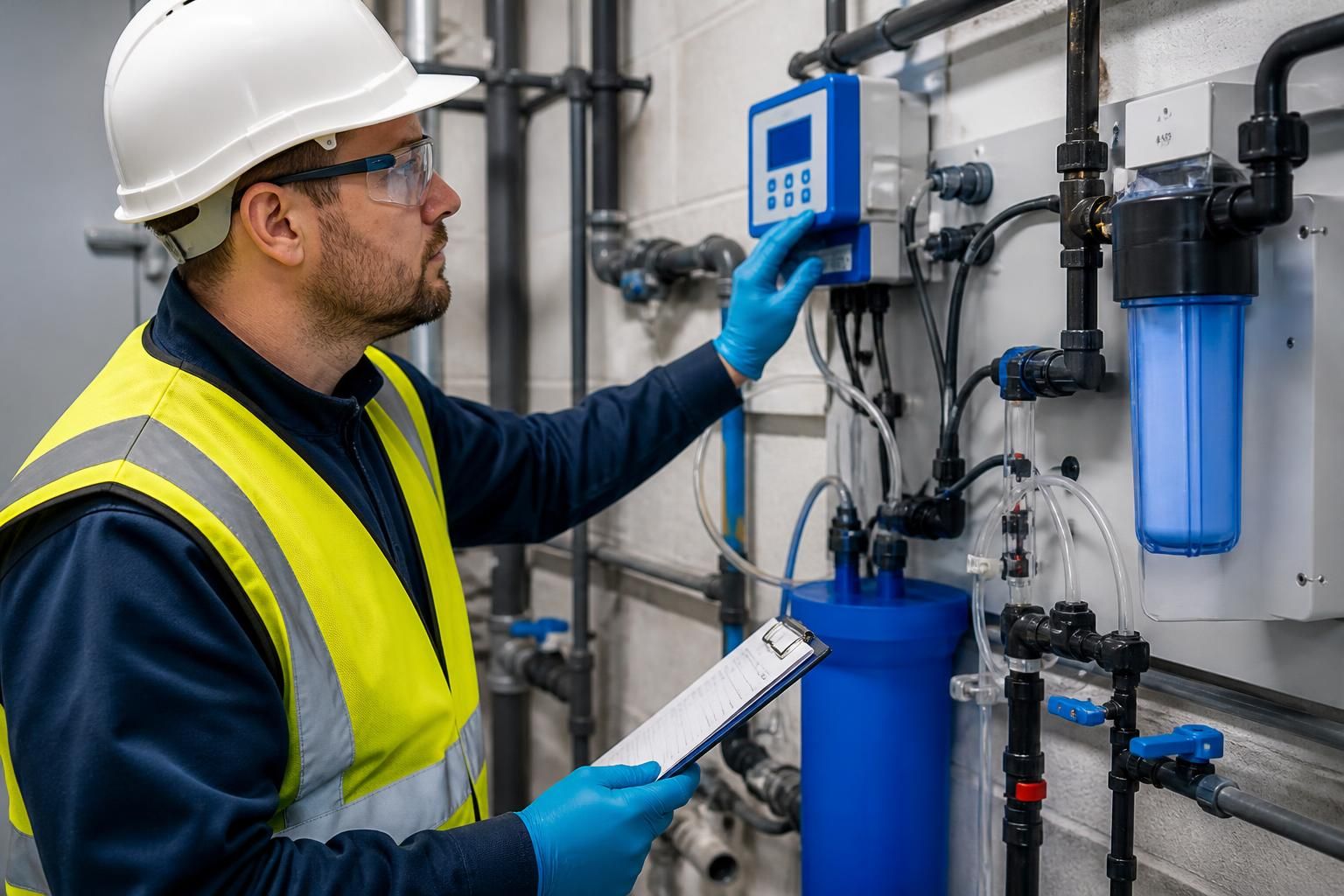
Mains Water Chlorination Options
Mains water chlorination services can be tailored to a system’s condition, configuration and intended use. Options differ in treatment scope, sampling requirements and documentation, helping organisations select proportionate disinfection before commissioning or returning supplies to service.
New mains commissioning
Chlorination of newly installed mains and associated pipework removes contamination introduced during construction. It is suitable before a new supply is connected to occupied commercial, industrial or domestic premises, with sampling and records used to support commissioning decisions.
Modified or extended systems
Where existing mains-fed pipework has been altered, extended or replaced, targeted chlorination can address the affected sections before they are returned to service. The scope is determined by the work completed and the way the modified system connects to the wider supply.
Contaminated mains disinfection
A contaminated mains supply may require investigation, disinfection and follow-up sampling rather than routine commissioning treatment. This approach focuses on identifying the affected area, applying an appropriate treatment sequence and recording the evidence needed to assess whether the supply can be reinstated.
Targeted section treatment
Where contamination or engineering work is limited to a defined section, treatment can be planned around that section instead of the entire mains-fed installation. This requires a clear understanding of pipework configuration, isolation points and the possible effect on connected outlets.
Chlorination with compliance documentation
Some projects require more than physical disinfection, particularly where handover or audit records must demonstrate what was treated and how it was assessed. Sampling results, treatment details and completion records provide a documented basis for water safety compliance decisions.
What Mains Water Chlorination Services Include
Core elements typically cover preparation, chlorination, verification and handover. The exact sequence depends on pipework condition, water source, operational constraints and commissioning requirements, with each stage documented so responsible persons can review the work completed and supporting evidence.
System Inspection and Planning
The mains-fed system is reviewed before treatment to identify pipework layout, materials, access points, potential contamination risks and any operational constraints. This establishes a suitable method for isolating, treating and reinstating the system.
Pipework Preparation
Relevant sections are isolated and prepared for chlorination. This can include checking discharge arrangements, protecting connected equipment and confirming that the system is ready to receive the disinfectant without disrupting uncontrolled areas.
Controlled Chlorination
Disinfectant is introduced through the appropriate parts of the mains water system and distributed through the pipework. The process is managed according to the system design, condition and commissioning requirements.
Flushing and Verification
Following treatment, the system is flushed in a controlled manner and checked through appropriate sampling. Results provide evidence that the treated pipework has been assessed before it is returned to service.
Records and Handover
The completed work is supported by clear documentation, including relevant treatment details, sampling information and observations. These records give responsible persons an auditable reference for commissioning and ongoing water safety management.
Questions About Mains Water Chlorination Services
When are mains water chlorination services required?
Suitability depends on pipework ownership, installation stage, contamination history and required evidence. A competent assessment can identify chlorination scope, sampling points, safety controls and documentation needed before commissioning or handover.
Read moreWho is responsible for arranging mains water chlorination?
Responsibility usually rests with the system owner or dutyholder, who should appoint a competent provider and ensure access, risk information, sampling arrangements and completion records are available before work begins.
Read moreWhat evidence should mains water chlorination services provide?
Records should identify the system, treatment method, chemical details, contact period, sampling locations, test results, acceptance decisions, deviations and any remedial actions, creating an auditable handover record for responsible persons.
Read moreWhat happens when mains water chlorination results are unsatisfactory?
Unsatisfactory results require investigation before handover. The provider may review sampling, repeat tests, inspect affected pipework, extend treatment or recommend remedial work, with findings recorded for responsible persons and stakeholders.
Read moreWhat safety controls are needed during mains water chlorination?
Controls include suitable PPE, chemical handling procedures, segregation of treated systems, secure access, signage, ventilation, discharge planning and protection against exposure, with risks assessed appropriately before work begins and documented.
Read moreWhat to Confirm Before Arranging Mains Water Chlorination
Before arranging mains water chlorination services, establish exactly which pipework, outlets and connected components are included, why disinfection is required and what standard or commissioning requirement applies. The scope should also identify any access, isolation, flushing or reinstatement arrangements needed to carry out the work safely.
Ask who will carry out the work and how competence will be demonstrated, what sampling and verification evidence will be provided, and how results or failures will be reported. Confirm the planned timescales, required records and any actions that remain with the responsible person after handover, including monitoring, maintenance or repeat testing.
Agree the system boundaries
Ask for the affected pipework to be identified on current drawings or another suitable record, including branches, storage interfaces, outlets and any sections that cannot be treated. Confirm the reason for chlorination, the required acceptance criteria and how isolation, access, flushing and reinstatement will be managed. Clear boundaries reduce the risk of leaving untreated sections or disrupting connected systems unintentionally.
Once these points have been answered, review the proposed treatment against the condition of the installation and the point at which it will be brought into use. Defects, dead legs, inaccessible sections or restrictions on flushing should be addressed before disinfection begins, as chlorination cannot compensate for unsuitable pipework or poor system design.
Where the work forms part of a construction, refurbishment or remedial project, coordinate the final arrangements with the installer, principal contractor and responsible person. This helps ensure that mains water chlorination is completed at the appropriate project stage and that any outstanding issues are dealt with before the system is accepted for use.
Discuss Your Mains Water Chlorination Requirements
Discuss your mains water chlorination requirements with Blue Fish Water Management to clarify the appropriate treatment and verification approach. Receive practical guidance on documentation, sampling and handover arrangements, based on the installation’s condition, intended use and project requirements.