
Water Potability, Drinking Water & Filtration
Water potability testing determines whether water is suitable for drinking against relevant quality requirements, while filtration addresses identified contaminants or treatment needs. Explore testing, interpretation and water management options with Blue Fish Water Management before selecting equipment or remedial measures.

Comparing Water Testing, Filtration and Treatment Approaches
Which drinking water approach best suits your compliance and treatment requirements?
Choose testing to establish whether water meets potable requirements, filtration to remove or reduce identified contaminants, and treatment to alter water chemistry. Consider compliance, system condition, scale, timescale and budget.
Read moreWhat does potable water testing identify before filtration or treatment is specified?
It identifies microbiological and chemical indicators, including organisms, metals, nitrates or other contaminants, while sampling context helps assess whether results reflect the building’s supply and point-of-use conditions at each outlet.
Read moreWhat distinguishes drinking water testing, filtration and treatment?
Drinking water testing measures compliance indicators; filtration physically reduces selected contaminants; treatment changes water chemistry or controls hazards. Their suitability depends on evidence, source conditions, required outcome and ongoing maintenance.
Read moreWhat should you assess before selecting a commercial drinking water filtration system?
Assess source condition, contaminants, flow demand, outlet use, maintenance requirements, available space, controls and budget; confirm that the proposed system supports potable compliance and is operated, serviced and monitored appropriately.
Read moreWhen is a drinking water filter unsuitable without additional treatment?
A drinking water filter may be unsuitable where microbiological hazards, chemical contamination, or poor source quality require disinfection, source control, specialist treatment, and ongoing monitoring requirements to maintain potable compliance.
Read morePragmatic, Tailored Advice for Potable Water Management
Blue Fish Water Management combines sector-specific understanding with practical interpretation of potable water results. Its recommendations are tailored to each system and organisation, supported by national coverage and an emphasis on clear communication and enduring B2B client relationships.
Results Interpreted in Context
Potability results need to be considered alongside the source, distribution system and intended use. Blue Fish Water Management provides clear interpretation so organisations can understand what findings mean for their potable water arrangements.
Filtration Based on Evidence
Filtration should address an identified contaminant or treatment requirement rather than being selected as a generic solution. Recommendations can be aligned with test findings, system characteristics and the organisation’s practical requirements.
Clear Compliance Guidance
UKAS-accredited water testing can support a structured review of drinking water quality. Blue Fish Water Management helps connect test information with proportionate management actions and relevant compliance considerations.
Advice for Different Sectors
Potable water risks and management priorities vary between domestic, industrial and commercial settings. Blue Fish Water Management applies its water hygiene experience to develop advice that is relevant to the system and the organisation using it.
Potable Water Testing, Filtration and Compliance Evidence
Potable water management combines representative drinking water sampling with laboratory analysis against relevant quality requirements. A properly planned assessment identifies whether water is suitable for consumption, highlights parameters requiring attention and provides results that can be interpreted in the context of the supply and its intended use.
Outputs may include documented sampling information, laboratory findings, clear recommendations and records to support ongoing water quality monitoring. Where treatment is relevant, filtration, conditioning or other remedial options can be considered against the results, system characteristics and compliance requirements rather than selected without evidence.
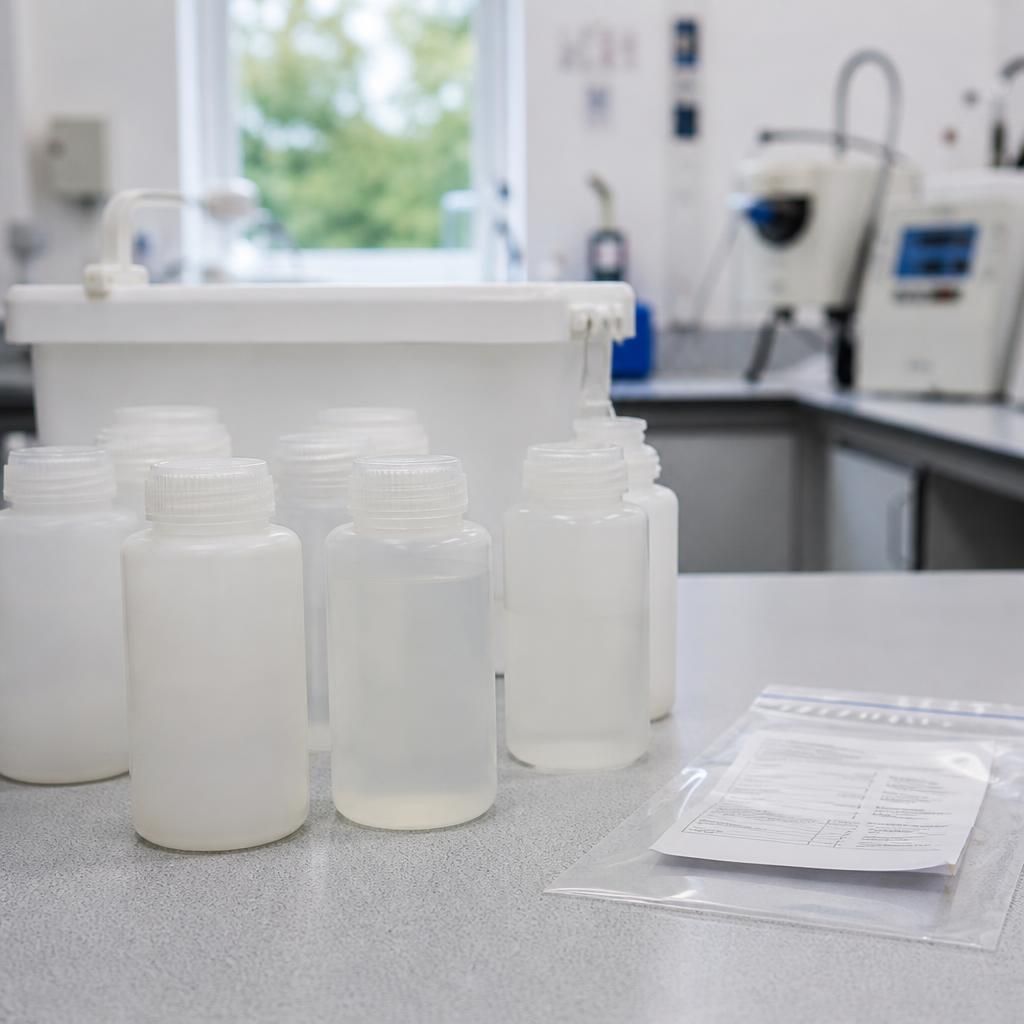
Representative Sampling Plans
A potable water assessment begins with sampling locations selected to reflect how the supply is stored, distributed and used. Sampling instructions and site information help place each result in its operational context and reduce the risk of drawing conclusions from an unrepresentative point.

Targeted Parameter Analysis
Testing can be specified around the source, system characteristics and intended use of the water. Laboratory analysis identifies results that require attention and creates a technical basis for deciding whether further investigation, treatment or continued observation is appropriate.

Clear Interpretation of Results
Laboratory results need to be considered alongside the supply arrangement and relevant quality requirements. Blue Fish can help distinguish an isolated finding from a wider system issue, explain the practical significance of reported parameters and set out proportionate next steps.

Documented Compliance Evidence
A well-managed engagement produces an organised record of sampling details, laboratory findings, interpretations and recommendations. This evidence can support internal reviews, compliance audits and communication between responsible persons, facilities teams and appointed contractors.
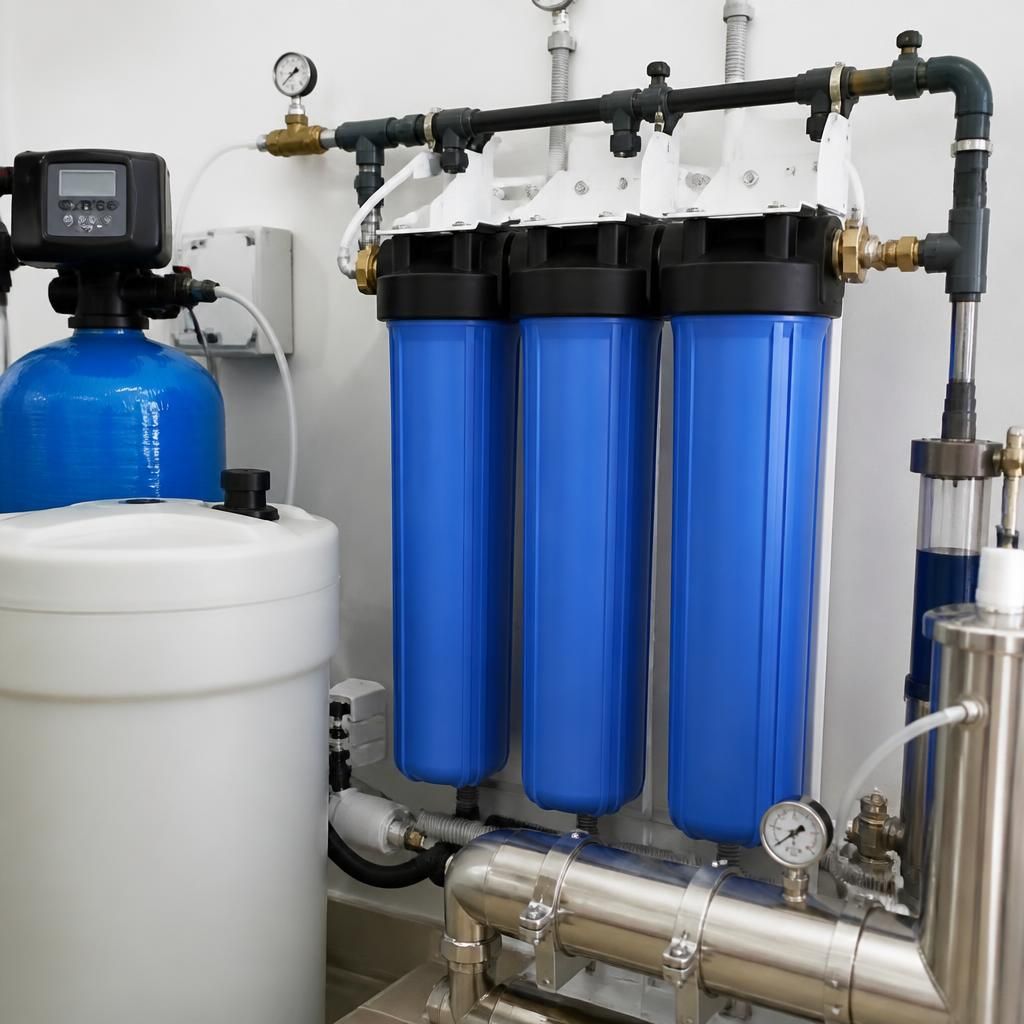
Evidence-Led Filtration Decisions
Filtration should follow an understanding of the contaminant or treatment requirement rather than being selected as a default solution. Test findings can be considered with flow conditions, system design, maintenance needs and the intended point of use when reviewing suitable remedial approaches.

Monitoring and Practical Follow-Through
Where results indicate a need for continued oversight, findings can inform a monitoring schedule, repeat testing or further system checks. Recommendations remain linked to the original evidence so that actions, subsequent results and any changes to the water management approach can be tracked.
Questions to Ask Before Choosing a Potable Water Testing and Filtration Provider
Before appointing a provider, ask who will carry out the work, what qualifications and relevant accreditation apply, and whether the proposed scope covers the supply, premises and intended drinking-water use. Clarify which parameters will be assessed, how sampling locations will be selected, and what assumptions or exclusions could affect the findings.
Request an explanation of how results will be reported, who is responsible for access, records and follow-up actions, and when each stage is expected to be completed. It is also useful to confirm the arrangements for reviewing results, supporting ongoing monitoring and pricing any filtration, conditioning or remedial work separately, so quotations can be compared on scope and overall value rather than headline cost alone.
What evidence should a provider provide?
Request details of the provider’s relevant experience, sampling competence and laboratory arrangements. Where laboratory analysis is required, ask whether the laboratory is UKAS-accredited for the methods and parameters included in the quotation, and clarify any subcontracted work. The provider should also explain how sampling integrity, chain of custody and quality controls are maintained from collection through to reporting.
The answers should leave you with a clear written basis for deciding whether testing alone is sufficient or whether filtration, conditioning or another intervention needs to be investigated. Before commissioning, make sure the proposed work reflects the supply and its intended use, and that any treatment decision can be revisited if the evidence or site conditions change.
Discuss Your Water Potability and Filtration Requirements
Contact Blue Fish Water Management to clarify your water potability or filtration requirements. We can discuss context, outline a proportionate next step and prepare a tailored quotation without committing you to unsuitable testing or treatment. Send your enquiry for guidance.