
Chlorination of Drinking Water Systems
Chlorination of drinking water systems is a controlled disinfection process used to reduce microorganisms in storage and distribution pipework. Blue Fish Water Management supports commercial, industrial and domestic clients with compliant treatment, verification and documentation for safer potable water supplies.
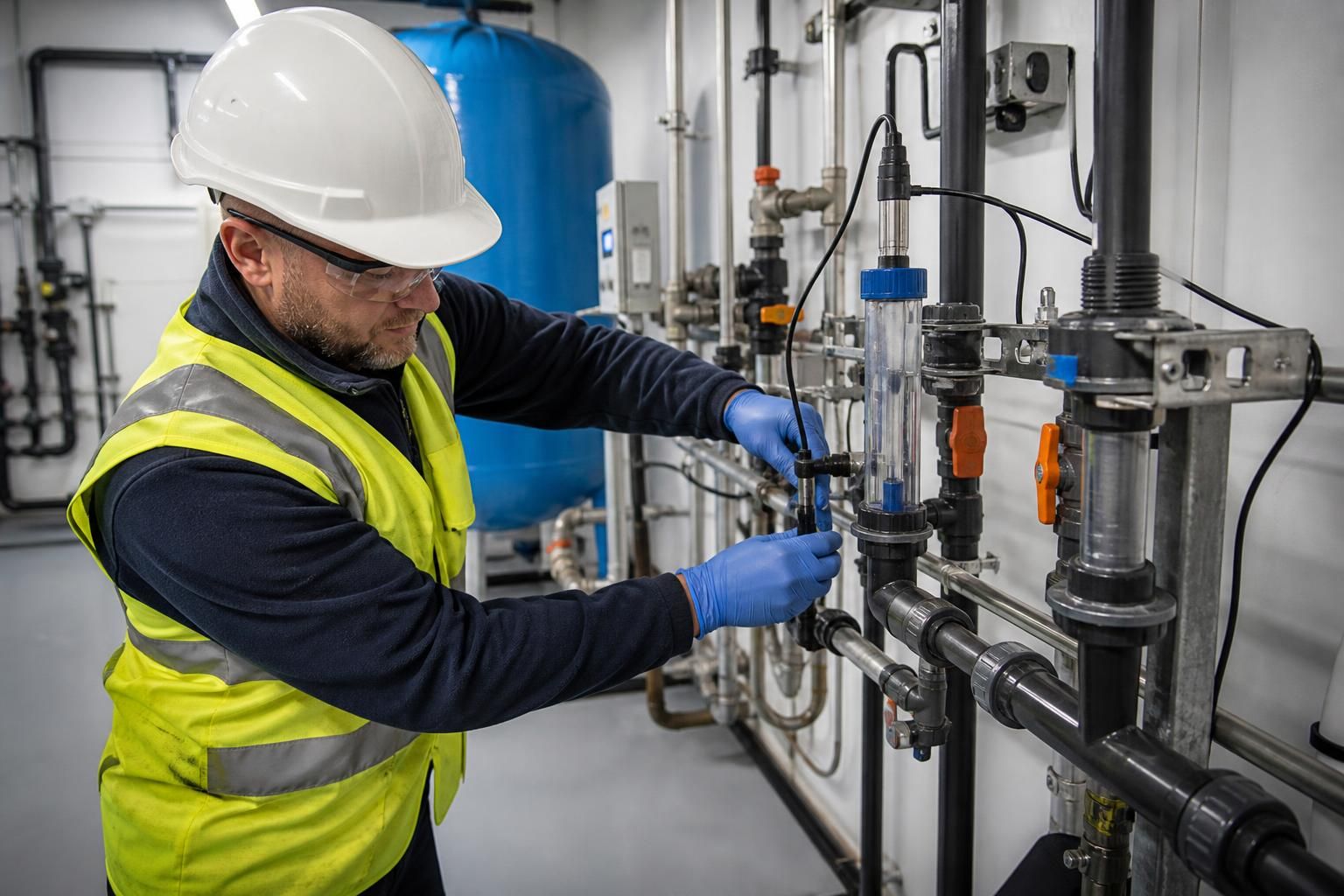
Which Drinking Water Chlorination Approach Is Right for Your System?
Drinking water chlorination can be planned as a whole-system treatment, targeted intervention, or verification-led exercise. The appropriate approach depends on contamination risk, system condition, operational constraints and whether the objective is commissioning, remediation, routine assurance or documented compliance.
Whole-System Chlorination
This approach treats the storage tank, outlets and connected distribution pipework as one system. It is generally considered where contamination may be widespread, after major alterations, or when commissioning requires evidence that the complete installation has been disinfected.
Targeted Pipework Chlorination
A defined section of pipework or a particular branch is isolated and disinfected without treating every part of the installation. This can suit localised contamination, remedial works or systems where the affected area has been identified through inspection and sampling.
Storage Tank Disinfection
Tank-focused chlorination concentrates on the potable water storage vessel and its associated surfaces. It may be appropriate where the tank is the suspected contamination point, but connected pipework should be assessed separately before the system is returned to service.
Commissioning Chlorination
New, refurbished or substantially modified drinking water systems may require chlorination before use. The work is planned around the installation sequence, contact requirements, flushing and subsequent verification so that the system can be placed into operation with suitable records.
Remedial Shock Chlorination
A higher-intensity, planned disinfection treatment can be used as a corrective measure when investigation indicates microbiological contamination or an established hygiene concern. It should form part of a wider remedial plan addressing the cause, not replace investigation of system condition or management controls.
Continuous Chlorination
Continuous dosing introduces a controlled disinfectant residual into a drinking water system rather than relying only on a single treatment event. It may be considered for systems with persistent contamination risk, but requires appropriate equipment, operational controls, monitoring and documented management.
Chlorination With Post-Treatment Verification
Verification-led work combines disinfection with flushing, sampling and review of the results against the intended acceptance criteria. This option is useful where the client needs documented evidence of treatment effectiveness for handover, remediation records or ongoing compliance management.
Practical Elements of Drinking Water Chlorination
A robust chlorination programme covers more than applying chlorine for drinking water. It should define treatment parameters, protect users and assets, verify microbiological performance, manage dechlorination where required, and retain records demonstrating that the completed work met its intended standard.
System Assessment and Scope
The process begins with a review of the potable water system, including storage tanks, pipework, outlets and access points. This establishes the treatment boundary and identifies conditions that may affect effective chlorination.
Defined Treatment Parameters
Chlorine concentration, contact time and monitoring points are established for the system being treated. Parameters are selected to support effective disinfection while taking account of the system’s construction, condition and intended use.
User and Asset Protection
Before treatment, affected outlets and equipment are identified and suitable controls are put in place. This helps protect building users, connected components and potable water quality during the chlorination process.
Controlled Chlorination
A measured disinfectant dose is introduced into the relevant drinking water system and distributed through the storage and pipework. The system is managed so that the treatment reaches the intended areas at the required concentration.
Sampling and Verification
Samples are taken at appropriate points to verify the treatment outcome, with microbiological testing used where required. Results provide evidence that the completed chlorination has been assessed against the intended potable water standard.
Records and Compliance Documentation
Treatment details, monitoring observations, sample results and any relevant corrective actions are recorded. Clear documentation supports compliance reviews, audit trails and future water hygiene management.
Questions About Drinking Water Chlorination Support
Which drinking water systems require chlorination?
The appropriate support depends on system design, occupancy, contamination risk, responsible person’s duties and evidence required. A competent provider should scope treatment, coordinate access, verify results and explain follow-up actions.
Read moreHow is chlorination of drinking water systems verified?
Verification typically combines visual inspection, documented chlorine contact conditions, flushing records and laboratory microbiological results. Results should be compared with specified acceptance criteria, with exceptions, corrective actions and sign-off recorded.
Read moreWhat preparation is needed before chlorinating a drinking water system?
Preparation should include reviewing system drawings, identifying outlets and storage, isolating unsuitable components, confirming access, protecting users, and establishing flushing, sampling, contact-time and reinstatement arrangements before treatment begins on site.
Read moreWho holds responsibility for chlorinating a drinking water system?
The building owner or operator normally retains responsibility for protecting users, appointing competent support and approving controls. The provider carries out agreed treatment, reports findings and recommends relevant remedial actions.
Read moreHow should a business choose drinking water chlorination support?
Choose a provider that can match treatment to system complexity, user risk, evidence requirements and remedial needs, while demonstrating competent planning, controlled execution, independent testing and clear reporting of results.
Read moreQuestions to Ask Before Chlorination of Drinking Water Systems
Before proceeding with chlorination of a drinking water system, establish exactly what is included: storage tanks, distribution pipework, outlets and any connected equipment. Clarify access requirements, isolation arrangements, effects on building users and how the proposed treatment will be controlled for the materials and configuration present.
Ask who will carry out the work and what competence supports their approach, how samples and results will be assessed, and what the final report will contain. The scope should also identify realistic timescales, any remedial actions, responsibilities for reinstatement, and the monitoring or maintenance needed after treatment.
Confirm the system boundaries
Ask whether the work includes storage tanks, incoming and internal distribution pipework, outlets, hoses, secondary equipment and any dead legs or rarely used branches. The method should explain how each section will be isolated, dosed, circulated, flushed and returned to service, including arrangements for areas that cannot be treated during the same operation.
Use the answers to agree a written treatment brief before chlorination of the drinking water system begins. This should confirm the acceptance criteria, decision points if results are unsatisfactory, and who has authority to approve completion or require further action.
Once the work is complete, retain the records with the system’s water safety documentation and ensure any identified defects are assigned for resolution. This provides a clear basis for deciding whether the system is ready to return to normal use and what controls should follow.
Discuss Your Drinking Water Chlorination Requirements
Speak with Blue Fish Water Management about your potable water system to explore treatment suitability, operational constraints and evidence requirements, then identify a proportionate next step for your site’s drinking water chlorination.