
UKAS Legionella Water Testing
UKAS-accredited legionella water testing examines samples from hot and cold water systems for evidence of Legionella and other relevant indicators. It gives facilities managers documented results to support risk decisions, compliance records and proportionate corrective action.
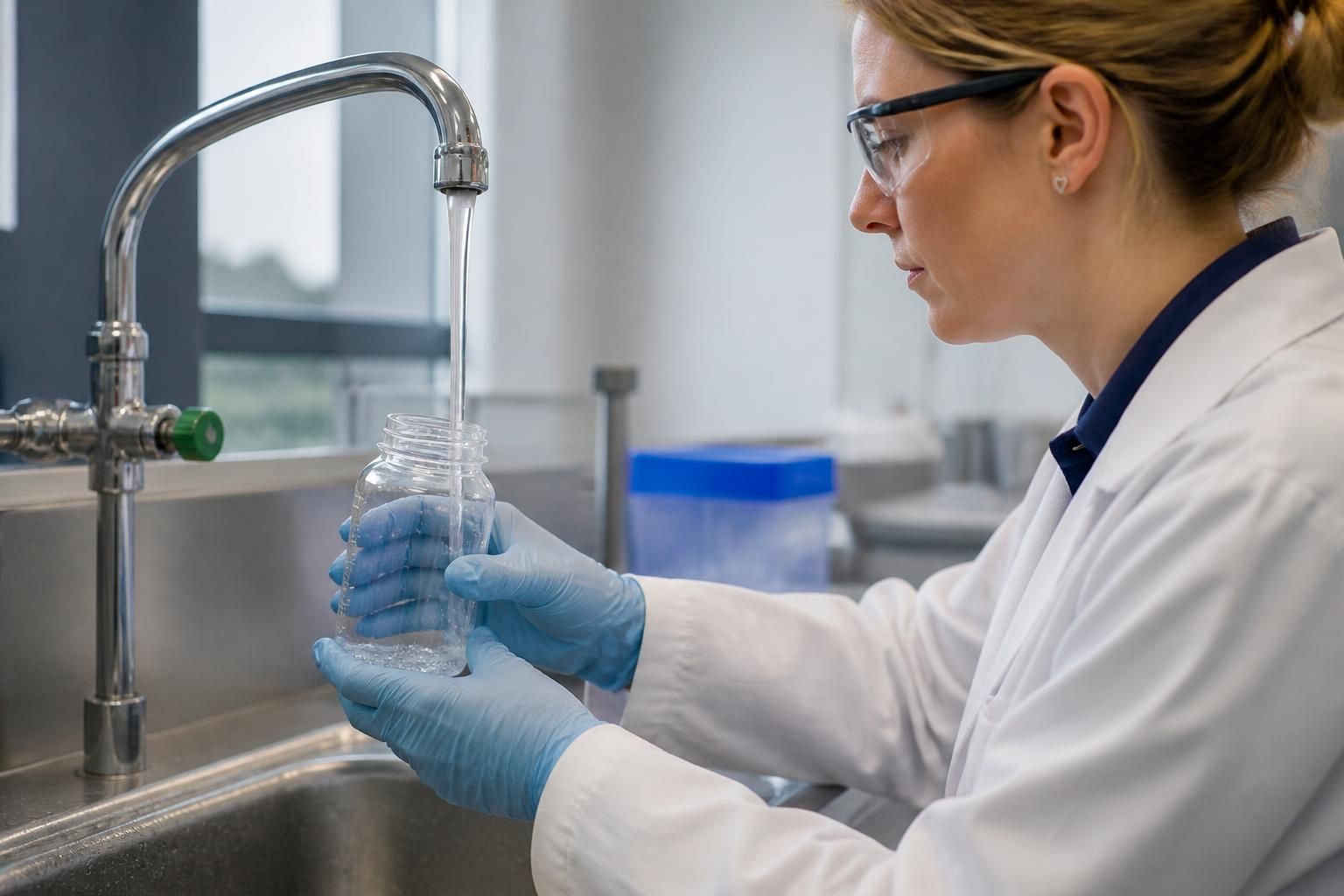
Which UKAS Water Testing Approach Is Right for Your Site?
Choosing a water testing approach depends on the system being examined, the question the sample must answer, and the action that may follow. The options below outline when each method is appropriate, from targeted sampling to broader investigations supporting safety decisions.
Targeted Legionella Sampling
Use targeted sampling when a specific outlet, storage vessel or part of a hot and cold water system needs examination. It suits investigations prompted by a risk assessment finding, unusual temperature result or concern about a particular area.
Routine Compliance Monitoring
Routine sampling forms part of an ongoing control programme where results are reviewed alongside temperatures, inspection records and other monitoring evidence. It is appropriate for sites that need consistent laboratory data to support their water safety records.
System-Wide Investigation
A broader sampling plan is more suitable when the source of a potential issue is unclear or results suggest that several parts of the system require comparison. Sampling points can be selected to help identify patterns across storage, distribution and outlets.
Post-Remedial Verification
Follow-up testing is used after cleaning, disinfection, engineering changes or other corrective work. It helps assess whether the intended intervention has addressed the testing concern and whether further risk-based action should be considered.
Water Quality Indicator Testing
Where relevant to the assessment, testing can include indicators alongside Legionella analysis. This provides additional information about water conditions and helps interpret findings within the wider management of the system.
What UKAS Water Testing Includes
Practical support covers sample planning, correct containers, documented sample handling, laboratory analysis, result review and clear reporting. Each stage helps maintain traceability and gives responsible persons usable information for deciding whether further investigation or remedial action is appropriate.
Hot and cold water systems
Testing can cover relevant outlets and components within hot and cold water systems, helping responsible persons assess Legionella findings in the context of the system being managed.
Sample identification
Each sample is identified against its location and collection details, supporting a clear audit trail from the water outlet through to the reported result.
UKAS-accredited analysis
Samples are submitted for UKAS-accredited laboratory analysis to examine them for Legionella and other relevant indicators using documented testing processes.
Result interpretation
Reported findings are reviewed in relation to the site, water system and existing control measures, giving facilities managers information for proportionate risk decisions.
Documented reporting
Clear reports provide a usable record of sample locations, test findings and relevant observations for compliance files, internal review and communication with stakeholders.
Evidence for follow-up action
Where results indicate that further investigation or remedial work should be considered, the testing record helps responsible persons define and document the next step.
Questions About Legionella Water Testing
What type of UKAS legionella water testing does my building need?
Choose testing based on system type, sampling requirements, risk assessment findings and reporting needs, rather than proximity alone. A suitable provider should explain scope, logistics and result interpretation before sampling.
Read moreWho is responsible for arranging legionella water testing?
The responsible person or duty holder usually arranges testing, informed by the legionella risk assessment. Contractors may coordinate sampling and analysis, but accountability for management decisions remains with the organisation.
Read moreWhat should I check when choosing a UKAS legionella testing laboratory?
Check that the laboratory’s UKAS scope covers the required legionella methods, identifies samples clearly, explains detection limits, and provides competent interpretation with secure, auditable records suitable for documented compliance review.
Read moreHow should I interpret legionella water testing results?
Interpret results in context, considering sampling point, history and risk assessment. A positive finding does not automatically establish source or required response; review trends and control measures carefully before acting.
Read moreWhen should legionella water samples be retaken?
Retake samples when results are unexpected, control measures have changed, sampling was compromised, or risk assessment requires confirmation. Follow documented instructions, investigate causes, and compare findings with previous results carefully.
Read moreQuestions to Ask Before Arranging Legionella Water Testing
Before arranging legionella water testing, ask what parts of the water system are included, which sampling points will be used and what the results are intended to establish. Confirm who will carry out the work, what evidence supports their competence, and how sample identification and handling will be documented.
Clarify how findings will be presented, who will explain their significance and when the report is expected. Also establish who will review the results, record decisions, arrange any follow-up investigation and monitor the system afterwards, so testing forms part of an ongoing management process rather than a standalone task.
Check the accreditation scope
Ask for the laboratory's current UKAS accreditation details and confirm that they cover the relevant legionella analysis, sample types and reporting arrangements. If testing includes other microbiological or chemical parameters, check whether those analyses fall within the same accredited scope or are reported under a different basis.
Once these questions have been answered, the agreed testing scope should be recorded alongside the relevant water system information and risk assessment. This helps ensure that laboratory findings are interpreted in context rather than treated as a standalone declaration that a system is safe.
The results can then support a documented decision on whether existing controls remain suitable or whether further investigation is justified. Keeping the test report with the water safety records also provides a clear reference for subsequent reviews and compliance checks.
Discuss Your Water Testing Requirements
Discuss your legionella testing requirements with Blue Fish Water Management to identify a suitable sampling and reporting approach for your site. Their team can help you determine the most appropriate next step for your water safety records.