
Water Supply Checks for Compliant Systems
A water supply check examines sources, storage and distribution arrangements to identify conditions that could affect water quality. For commercial, industrial and domestic settings, Blue Fish provides practical advice on clean cold water tanks, sanitation and safer system management.
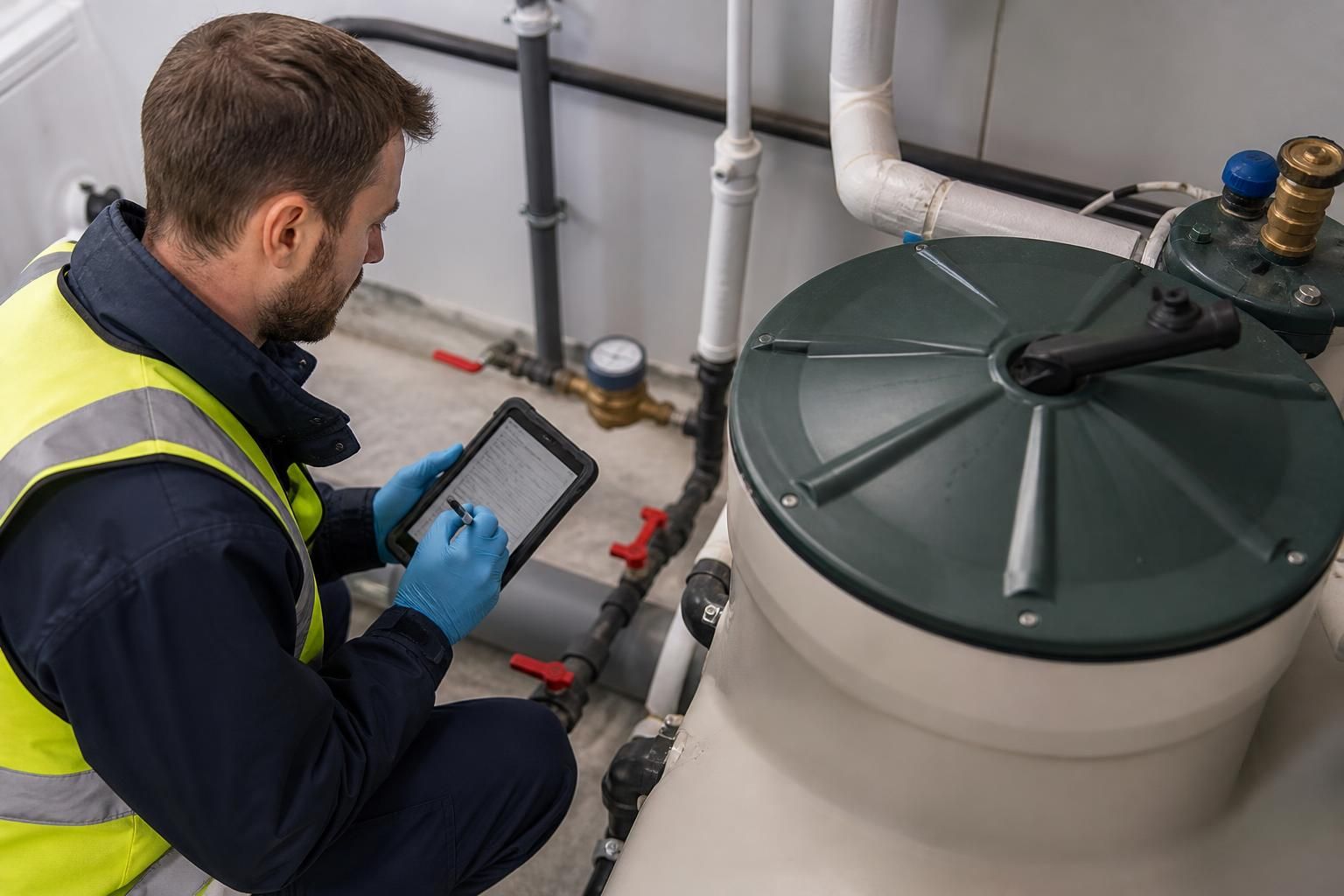
Water Supply Check Options for Different Sites
The appropriate water supply check depends on the source, system complexity and identified risk. Options range from targeted inspections to broader assessments, helping responsible persons select the level of investigation and follow-up needed for informed sanitation decisions.
Source and Incoming Supply Check
A targeted check of the incoming water source, connection points and supply arrangements is suitable where concerns relate to how water enters a premises. It can identify conditions requiring further investigation without reviewing every internal outlet.
Cold Water Storage Inspection
An inspection focused on tanks and other stored water arrangements examines cleanliness, lids, access, insulation, evidence of contamination and suitability for ongoing use. This approach is relevant where storage presents the main sanitation concern.
Internal Distribution Check
A distribution-focused assessment reviews pipework routes, outlets, low-use areas, dead legs and points where water may stagnate. It is appropriate for larger or more complex premises where supply conditions can vary between locations.
Supply, Storage and Outlet Assessment
A broader assessment considers the incoming supply, storage facilities and distribution system together. It provides a more complete view for commercial or industrial sites where several factors may influence water quality and sanitation requirements.
Check with Sampling and Testing
Where visual inspection alone cannot confirm water quality, targeted sampling and UKAS-accredited testing can support the assessment. Results help determine whether additional monitoring, sanitation measures or remedial work should be considered.
What a Water Supply Check Covers
Practical checks may include reviewing supply arrangements, examining tanks and pipework, considering stagnation and contamination risks, and recording actions for improvement. The findings help responsible persons prioritise sanitation measures and maintain evidence for water safety management.
Supply Arrangement Review
The incoming supply, storage configuration and distribution layout are reviewed to understand how water moves through the premises and where control measures apply.
Storage Condition Checks
Cold water storage tanks are assessed for secure covers, suitable access, insulation, overflow arrangements and visible conditions that may compromise water hygiene.
Outlet and Pipework Checks
Accessible outlets and connected pipework are considered for infrequent use, redundant sections, inappropriate connections and other features that may affect safe operation.
Temperature and Stagnation Factors
The check considers whether system design, usage patterns or local conditions could allow water to remain static or reach temperatures associated with increased legionella risk.
Sanitation Requirements
Evidence from the inspection is used to identify appropriate cleaning, disinfection, maintenance or monitoring measures for the water supply system.
Compliance Record
Observations are documented in a clear format, supporting the responsible person’s water safety records and providing a practical basis for managing outstanding issues.
Water Supply Check Questions Answered
When should a business arrange a water supply check?
Choose a supply check when source, storage or distribution arrangements are unclear; select sanitation support where contamination control requires cleaning, disinfection, remedial work, or procedural improvements and follow-up actions.
Read moreWhat does a water supply check examine?
It can include checking the incoming main, private wells, metering, backflow protection, outlets, temperature control, maintenance records and sampling points, helping identify gaps in ownership, monitoring or protective measures needed.
Read moreWho is responsible for acting on water supply check findings?
The responsible person should review the findings, assign corrective actions, retain records and verify completion. Blue Fish can provide practical guidance, while duty holders remain accountable for legal compliance obligations.
Read moreWhat records should a water supply check produce?
Records should capture the date, areas reviewed, evidence considered, identified deficiencies, recommended actions, responsible persons, target dates and completion status, creating an auditable trail for ongoing water safety governance decisions.
Read moreHow are water supply check findings prioritised?
Prioritisation should reflect potential impact on health, likelihood of exposure, vulnerable users, legal duties and control reliability. Address immediate hazards first, then schedule lower-risk improvements with documented justification and review.
Read moreQuestions to Ask Before Arranging a Water Supply Check
Before arranging a water supply check, clarify which parts of the supply and associated management arrangements are included, who will carry out the work, and what competence is required. Ask whether the assessment will consider relevant legal and operational duties, and what access, information or site records the assessor will need.
Confirm what evidence the report will provide, how findings will be prioritised, and whether recommendations will include practical timescales for action. It is also important to establish who is responsible for implementing measures, retaining records, reviewing outstanding actions and arranging future checks where conditions or system use change.
Confirming the assessment boundary
The scope may need to include incoming supplies, cold water storage tanks, distribution pipework, outlets, secondary systems and areas with restricted access. Clarify whether the check will consider low-use outlets, temperature control, cross-connections, dead legs, visible damage, cleanliness and conditions that could allow stagnation or contamination. Any exclusions should be recorded so that responsibility for those areas is understood.
Once the scope, evidence and reporting arrangements are clear, ask for any limitations or conditions that could affect the reliability of the findings. The completed report should distinguish immediate concerns from longer-term improvements and explain the basis for each recommendation in terms that relevant staff can use.
Use the agreed findings to confirm the next practical step, whether that involves further investigation, remedial work or an update to existing water safety controls. Keeping the check alongside related records creates a clear reference point for future reviews and helps demonstrate how identified risks have been considered.
Discuss Your Water Supply Check Requirements
Discuss your water supply check requirements with Blue Fish to clarify the information available, identify any specialist considerations, and determine the most appropriate next step for maintaining safe, compliant water arrangements.