
Replace Hot Water Tank for Compliance
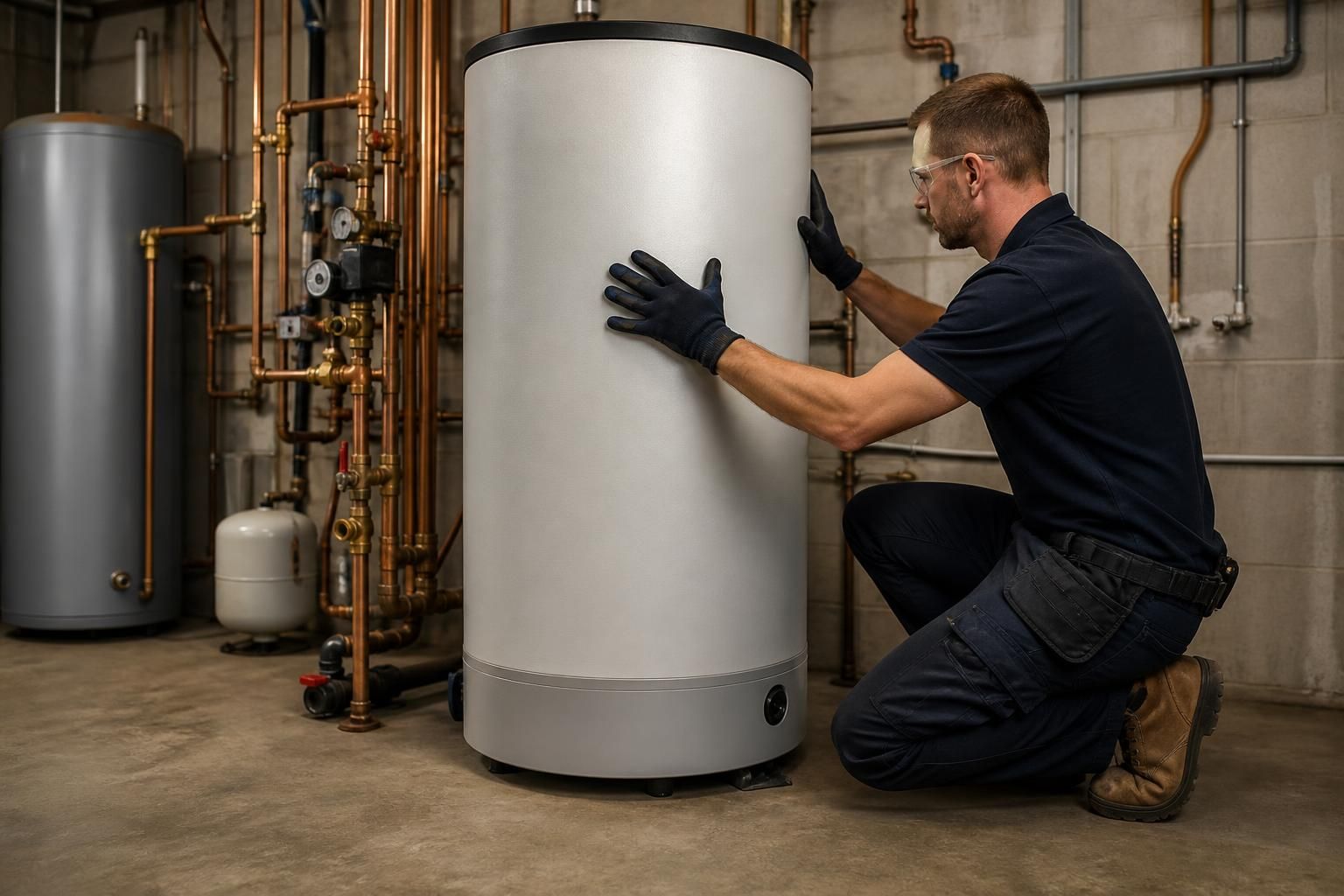
Replacement Guidance
A planned hot water tank replacement supports safe temperatures, documented compliance, and informed decisions about Legionella risks in water systems.
What Hot Water Tank Replacement Covers
Replacing a hot water tank involves more than removing the old vessel. Assessment should consider system design, stored-water use, controls, pipework and access, helping prevent avoidable hygiene or operational issues.
Blue Fish supports the process with pre-replacement advice, review, post-installation checks and clear records. This helps responsible persons identify defects, understand actions and retain evidence for ongoing water safety management.
Assess the Existing Tank
Review the tank, stored-water arrangements, controls and connected pipework to identify defects or conditions that may affect replacement decisions.
Consider System Design
Take account of capacity, access, circulation and temperature control so the proposed replacement remains suitable for the wider water system.
Review Legionella Risks
Consider how the replacement may alter stored-water conditions and whether further control measures or management actions are required.
Check Commissioning Controls
Review post-installation temperatures, controls and circulation to help confirm that the replacement supports the intended water hygiene arrangements.
Record the Outcome
Create clear records of advice, identified defects, completed checks and any follow-up actions for ongoing compliance management.
Evidence and Checks for a Compliant Replacement
A replacement review should produce more than an installation instruction. It should define checks, evidence and responsibilities across the change, including asset details, control settings, commissioning results and actions requiring follow-up. Blue Fish can structure these outputs for compliance records.
Replacement Scope Review
Define the tank’s role within the hot water system before work begins, including connected pipework, storage arrangements, temperature controls and any operational constraints affecting the replacement.
Asset and System Records
Update asset records with the replacement tank’s location, capacity, materials, identification details and relevant connections so future inspections and maintenance can be based on accurate information.
Temperature Control Verification
Check that the replacement supports appropriate hot water storage and distribution temperatures, with controls configured and labelled so responsible staff can understand and manage the system.
Commissioning Evidence
Record commissioning checks such as control operation, visible installation condition, access arrangements and any relevant flow or circulation observations. These records provide evidence that the replacement has been reviewed before normal use.
Water Hygiene Considerations
Assess whether the replacement changes water stagnation points, dead legs, storage conditions or circulation patterns. Any resulting actions can then be incorporated into the site’s water hygiene management arrangements.
Compliance Report and Actions
Provide a structured record of findings, outstanding defects, responsible actions and recommended follow-up. Clear reporting helps property managers retain evidence of the replacement and track issues requiring further attention.
Questions to Ask Before Replacing a Hot Water Tank
Which signs indicate that a hot water tank needs replacing?
An appropriate replacement should match demand, storage requirements, plant configuration and control strategy, while allowing safe access, effective maintenance, temperature verification and clear handover records for ongoing compliance management.
Read moreWhat happens to Legionella risk during hot water tank replacement?
Risk can increase when tanks are isolated, emptied or recommissioned. Controlled sequencing, hygienic installation, flushing, disinfection where required, temperature verification and documented sampling help manage exposure before handover to occupants.
Read moreShould a hot water tank be replaced like for like?
A like-for-like replacement may overlook changed occupancy, available space, connection arrangements or control expectations. Assess compatibility, maintainability, energy performance and compliance evidence before selecting the replacement tank specification required.
Read moreWhat commissioning checks should follow a hot water tank replacement?
Commissioning should confirm correct connections, controls, temperatures, safety devices, flow, discharge arrangements and plant operation. Record results, outstanding defects, responsible parties and verification dates within the complete compliance handover file.
Read moreDoes replacing a hot water tank require a Legionella risk assessment update?
Yes, if replacement changes system design, controls, storage, use or risk assumptions. Update the assessment, record revised control measures, and communicate responsibilities before returning the system to service for occupants.
Read moreWhat to Expect from a Hot Water Tank Replacement Review
Before recommending a replacement, Blue Fish Water Management Ltd considers the tank’s condition, capacity, materials, connections and role within the wider hot water system. The review also considers whether defects can be addressed through maintenance or remedial work, helping clients distinguish an essential replacement from an avoidable one.
Where replacement is appropriate, advice sets out the relevant water hygiene controls, inspection points and records required during the work. Findings are explained in practical terms, with outstanding risks, evidence gaps and follow-up actions identified separately so the responsible person can make informed decisions and maintain a clear compliance trail.
A clear plan before work begins
Blue Fish documents the tank’s function within the hot water system, relevant isolation arrangements, access requirements and the checks needed before the existing tank is removed. The agreed scope can then identify responsibilities for the installer, site team and person responsible for water safety, including who will retain commissioning evidence and close any actions.
Discuss Your Hot Water Tank Replacement Requirements
To discuss whether you need to replace a hot water tank, provide available system information and any recent findings. Blue Fish can help clarify suitable next steps, required compliance checks and the documentation needed for a properly controlled change.